
The Ultimate Guide to Kenya’s Great Rift Valley: Lakes, Landscapes & Wildlife
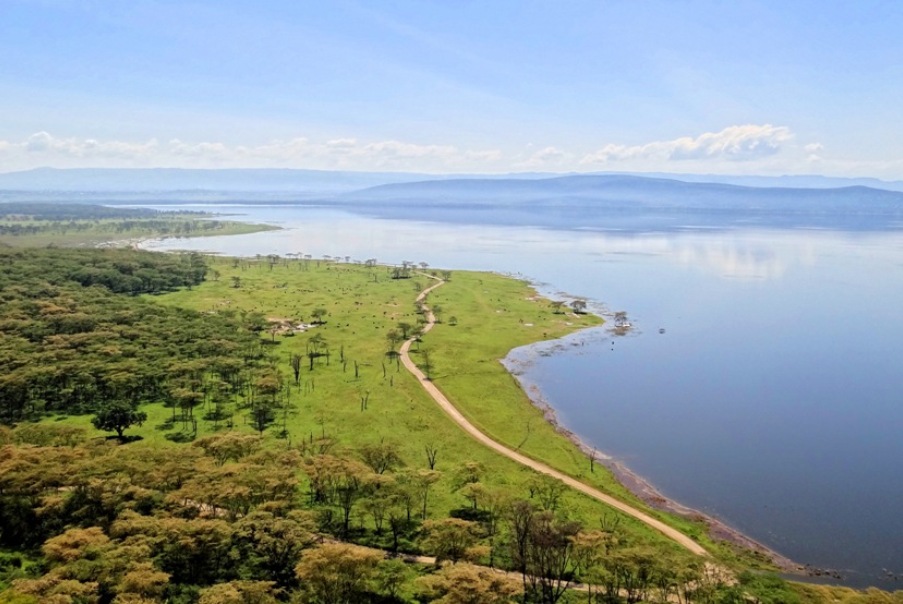
One of the country’s most wonderful natural wonders, Kenya’s Great Rift Valley combines clear-water lakes, saline lakes, stunning cliffs, volcanic formations, and a variety of wildlife. Located in central Kenya, this unique area is a great place for birdwatching, hiking, boating, safaris, photography, and meeting different cultures.
From the shores of Lake Nakuru, home to flocks of flamingos, to the freshwater lake of Naivasha and the uninhabited region near Lake Turkana, the Great Rift Valley offers a new face of natural beauty in Kenya.
Whether you are planning a weekend trip to the area from Nairobi or a long tour of Kenya, you can have fun here. This place can be reached in a day trip, a short trip, or as part of a long-term safari program that connects national parks and reserves in Kenya.
This guide explains some interesting lakes in the Great Rift Valley, wildlife places in this area, charming views, and the best activities and travel tips.
Understanding Kenya’s Great Rift Valley
The Great Rift Valley is one of the widest geological formations found in Eastern Africa and elsewhere. The formation of the Great Rift Valley was due to tectonic processes leading to the formation of valleys, escarpments, mountains, and depressions.
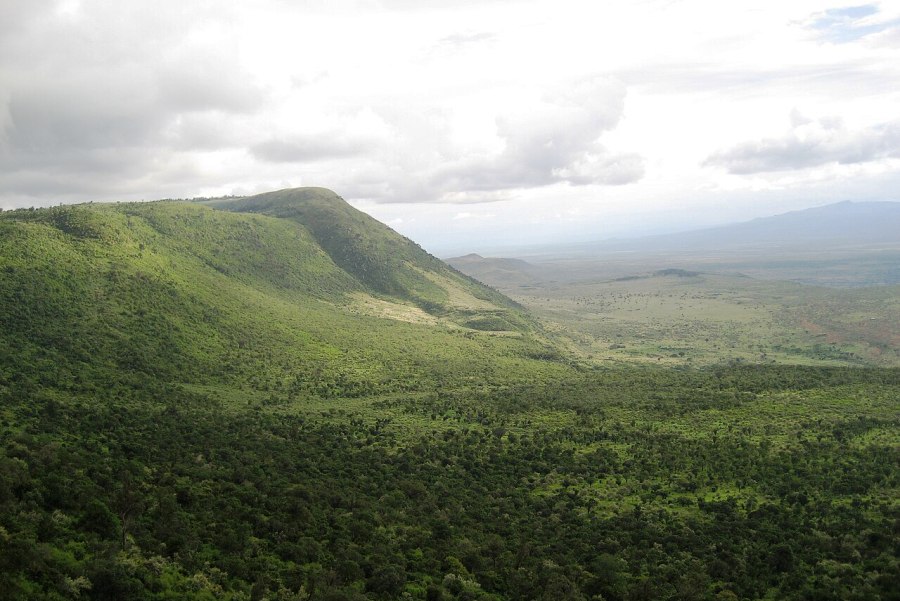
The Great Rift Valley of Kenya is positioned in the north-south direction, thereby making the region an extraordinary place consisting of plateaus, slopes, and lakes.
Those features greatly affect the climatic conditions and ecological situations in the region. It is worth mentioning that some of the lakes situated there are freshwater lakes, while others are alkaline or salty and are able to support diverse life forms.
There are many communities there surviving by means of agriculture, fishing, animal husbandry, and tourism, which all create a new view of the area from the visitor’s point of view.
1. Lake Nakuru National Park: Wildlife and Birdwatching
One of the most accessible wildlife parks in the Great Rift Valley is Lake Nakuru National Park. Situated close to the city of Nakuru, the park is home to an alkaline lake, lots of birdlife, and conservation areas for endangered animals.
Animals to look out for in the Park include:
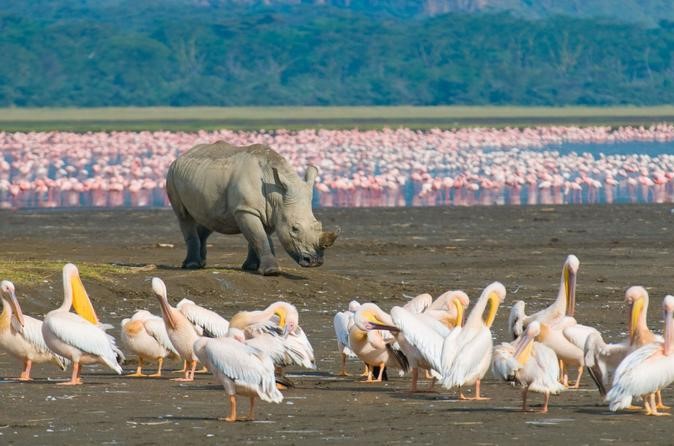
- Black and white rhinos
- Rothschild giraffes
- Buffaloes
- Zebras
- Waterbucks
- Lions and leopards
The rhino stock makes it one of the prime destinations for enthusiasts of endangered wildlife, but spotting these animals will depend on your trip timings and other prevailing conditions.
As far as flamingos are concerned, Lake Nakuru has always been associated with huge populations of flamingos due to the lake. However, the presence of flamingos is highly dependent on feeding conditions, the level of the water, and changes in the climatic conditions.
Other birds which guests may see include pelicans, fish eagles, herons, and other aquatic species.
Bird watchers are advised to take their binoculars and devote enough time to exploring the different regions in the Park.
Other Activities
The key thing to do on a game drive, which is to see the forests and the areas around the lakes, is to observe the animals and other wildlife. There are places for taking pictures in order to capture the beauty of the lake and the forest.
Best for: people who love nature and wildlife or want to enjoy a rich experience of nature near the city of Nairobi.
2. Lake Naivasha: Freshwater Adventures and Scenic Beauty
Lake Naivasha is among the most visited places in the Kenyan Rift Valley. It is ideal for short trips from Nairobi and is quite popular as a weekend getaway.
Unlike most of the saline lakes found in this area, Naivasha is a freshwater lake and is surrounded by fertile land, numerous buildings, and vegetation. The beauty of the lake is so peaceful that it can attract many individuals who like to see nature and don’t want to spend much time on a safari.

Boat riding in the Naivasha Lake
Boat riding is one of the most common activities in Naivasha.
Depending on weather conditions and the inner route, tourists can see hippopotamuses in the water. Besides, fish eagles can be seen sitting in trees, and other birds can be seen along the shores of the lake.
The boat tour on the lake also allows a person to see the open water of the lake and its hills. However, it is always recommended to ensure safety by using only licensed companies.
Crescent Island Wildlife Sanctuary
Crescent Island Wildlife Sanctuary offers guided tours through the area, where you can meet many free-roaming herbivores. You can cross paths with giraffes, zebras, wildebeests, and gazelles, depending on weather conditions and permitted activities. Walking safaris offer a different perspective than the usual car safari since you will be able to see animal trails, vegetation, and other important details about the sights. Always stick to your guide’s directions and remember that wildlife must be respected!
Birdwatching
Lake Naivasha has many birds such as fish eagles, pelicans, cormorants, kingfishers, and herons. Thanks to the flora around the lake, it is a perfect place for birdwatching enthusiasts.
3. Lake Elementaita: Peaceful Scenery and Flamingos
Lake Elementaita is a shallow, salty lake located between Lake Naivasha and Lake Nakuru.
It is part of the Kenya Lakes System and falls under the category of a UNESCO World Heritage Site.
Wildlife and Scenery
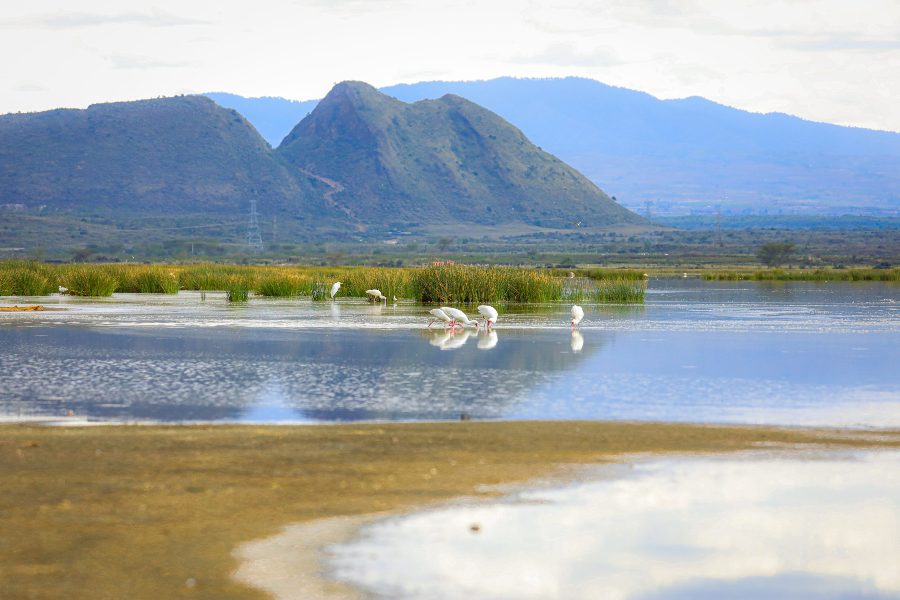
Lake Elementaita serves as a habitat for a number of aquatic birds like pelicans and flamingos.
Like other Rift Valley lakes, the number of birds depends on the water level and food supply. Therefore, tourists are not advised to assume that there will always be large groups of flamingos.
The open shoreline of the lake, the hills around, and the scenic effect created by changing light in the area are also appealing to photo lovers.
A Relaxed Nature Escape
In comparison to some more popular Kenyan safari spots, Lake Elementaita may provide a less eventful experience, depending on the time of year and lodging preference.
People coming here can do scenic drives, birdwatching and photography, and spend some time at the accommodations near the lake.
Since the ecosystem surrounding the lake is fragile, it’s important to obey local access rules and to avoid disturbing the birds or harming plants on the shore.
Ideal for: Birdwatching enthusiasts, photographers, couples, and those looking for a calm nature getaway.
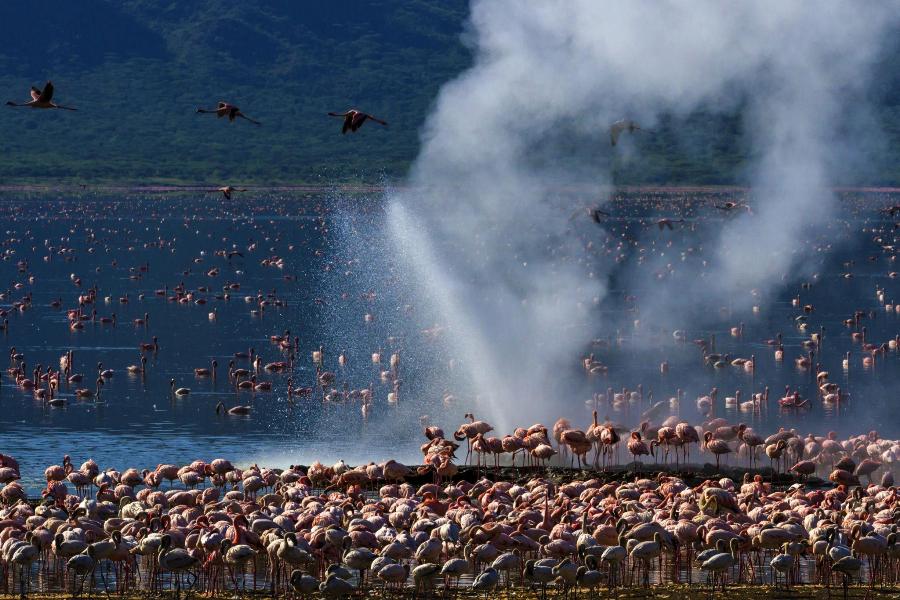
4. Lake Bogoria: Geysers, Hot Springs, and Flamingos
As a major natural attraction of the Rift Valley, Lake Bogoria has gained international recognition.
The lake features alkaline waters, geothermal phenomena, and remarkable scenery.
Geothermal Features
The hot springs along some parts of the lake shores are the result of volcanic influence in the vicinity.
In some parts of the lake, the water is boiling hot, which requires observing all the signs and staying in the designated areas.
The geothermal water should not be touched, and one should never venture into the restricted area.
Flamingos and Other Birds
Lake Bogoria is famous for its large number of lesser flamingos that eat microorganisms in alkaline water.
There can be fluctuations in the flamingo population due to varying environmental conditions.
However, other bird species inhabit the region, and there are spectacular views of the surrounding area.
Why Visit Lake Bogoria?
A unique mix of geothermal activities, alkaline lakes, and avian species makes Bogoria distinct from freshwater destinations like Lake Naivasha.
It can be included in a northern Rift Valley itinerary, especially for travellers looking to explore the Baringo area.
Best for: enthusiastic geologists, photographers, birdwatchers, and individuals searching for exotic scenery.
5. Lake Baringo: Freshwater Wildlife and Birdwatching
Lake Baringo, located in the northern regions of Kenya’s Rift Valley, is classified as a freshwater lake and has an ecosystem that is different from the alkaline lakes of its southern counterparts; as a result, it boasts a variety of wildlife and bird species.
A Birdwatching Paradise
Lake Baringo is renowned for the variety of birds that visitors can view. Depending on the location and time of the season, visitors can see fish eagles, kingfishers, herons, hornbills and many more.
Boat rides can be organised and guided on the lake, and people interested in observing the birdlife and the environment can have the chance to learn about the ecology of the lake.
Reptiles and Other Wildlife
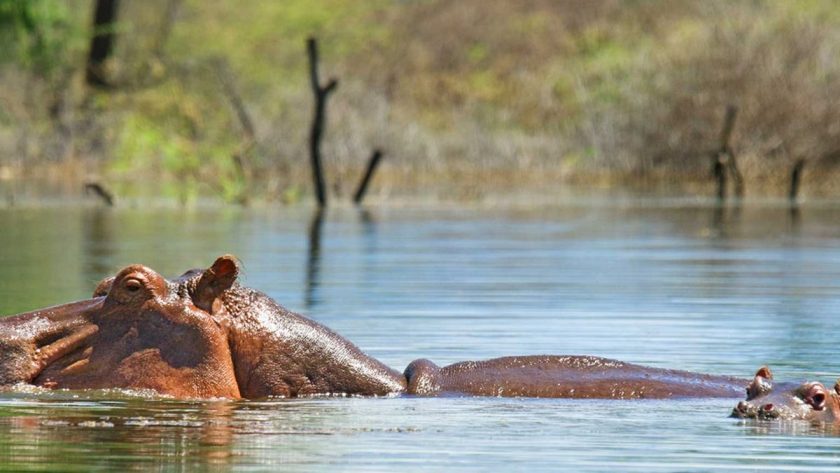
There is a wide variety of marine and habitat wildlife in and around the lake, including hippos and crocodiles. Visitors should never swim in areas with wild animals, and they should always have the guidance of the locals.
Cultural Experiences
There are several ethnic groups and clans in the greater region of Baringo. Visitors can participate in various local programs that provide opportunities to acquire knowledge regarding fishing, livestock herding, traditional knowledge, and ordinary day-to-day activities. It is best to undertake community visits that are properly organised and approved for the purposes of avoiding unnecessary inconveniences and following the rules of photography.
6. Lake Turkana: Kenya’s Remote Desert Lake
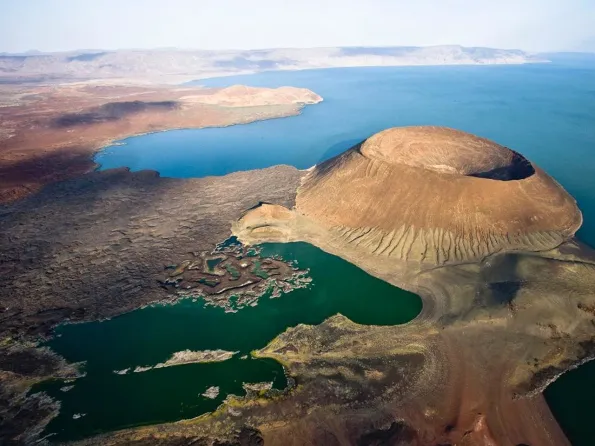
Lake Turkana is one of the most distinctive landmarks of Kenya, situated in the dry northern part of the country. It is famous for its beautiful lakes and volcanic environments and has great archaeological significance.
Due to its remote location, Lake Turkana differs significantly from the neighbouring Rift Valley lakes, which are much easier to reach.
Unique Landscapes
The landscape surrounding the lake is characterised by rocky shores, volcanoes, arid plains, and deserts.
Depending on the weather and light, the lake can change its colours, which makes it a great place for landscape photographers.
The area of the lake is also important in terms of human emergence and remains of prehistoric organisms, as many important archaeological finds have been made in the territory bordering the lake.
Cultural Connections
The communities in northern Kenya have fashioned ways of living compatible with the adverse climate of the region.
An area tour guided by local inhabitants might yield information about the traditional ways of life, types of cultural activities practised there, and the interaction of people with the landscape.
Because of the inaccessibility of the area, holidaymakers should book travel and accommodation prior to their journey.
Before the trip, please check the security situation as well as the state of the roads.
Other Scenic Landscapes in the Great Rift Valley
While the lakes are among the primary attractions, the Valley is also characterised by numerous escarpments, viewpoints, and volcanoes, as well as hiking opportunities.
Great Rift Valley Viewpoints
Many viewpoints along the Nairobi–Nakuru road give an awesome view of the Great Rift Valley.
These points give tourists a chance to admire the vastness of the valley as well as take pictures of the escarpments and far hills.
Select the proper, safe parking areas and avoid stopping at unsafe roadside points.
Mount Longonot National Park
Mount Longonot National Park is a popular spot for hikers in the region of Lake Naivasha.
The park is located on the top of an active volcano with a crater and steep slopes.
The hike is strenuous, so the tourist should make sure to bring enough drinking water, wear appropriate shoes, and go early.
Abide by the regulations of the park and consider bringing a guide.
Hell’s Gate National Park
Hell’s Gate National Park is famous for its breathtaking volcanic cliffs and gorges, hot springs, and geothermal wildlife. The park also offers great cycling and hiking experiences. It is one of the few parks in Kenya where biking and hiking are allowed in designated areas.
Men are to abide by local regulations before going into gorges and taking challenging hiking routes.

Things to Bring to Have the Best Time in the Great Rift Valley
Packing is based on the activities you plan. However, the following items are useful for most visitors:
- Comfortable walking shoes.
- Clothes made of breathable fabric.
- A warm layer for chilly mornings and evenings.
- A sun hat and sunglasses.
- Sunscreen.
- Drinking water and a reusable water bottle.
- Binoculars for birdwatching.
- A camera or a smartphone.
- Insect repellent.
- Your medications.
For hiking, bring proper footwear and plenty of water. Be sure to check the required gear and transportation arrangements if the trip includes isolated places.
Safety tips around lakes, wild animals, geothermal places, and cliffs should always be followed.
Final Thoughts: Discover Kenya’s Great Rift Valley
Kenya’s Great Rift Valley is a place where you can experience the beauty of nature, wildlife, geology, and culture.
Lake Nakuru has unique wildlife viewing, Lake Naivasha is ideal for birdwatching and boating, and Lake Elementaita presents beautiful views. Lake Bogoria is unique for its geothermal properties, while Lake Baringo and Lake Turkana reveal the secrets of northern Kenya’s nature and culture.
Beyond the lakes, one can go hiking and cycling on Mount Longonot or Hell’s Gate.
To discover the valley, a traveller must select the right destinations that match their interests and allow enough time to visit.
Regardless of whether you are planning a trip to the Great Rift Valley from Nairobi for a day or a longer family trip, this region offers unique activities aside from the famous Kenyan safari parks.
Get to know the Great Rift Valley by visiting its lakes and exploring its nature.