
Discover Top 8 Lakes to Visit in Kenya: Attractions & Activities to Do
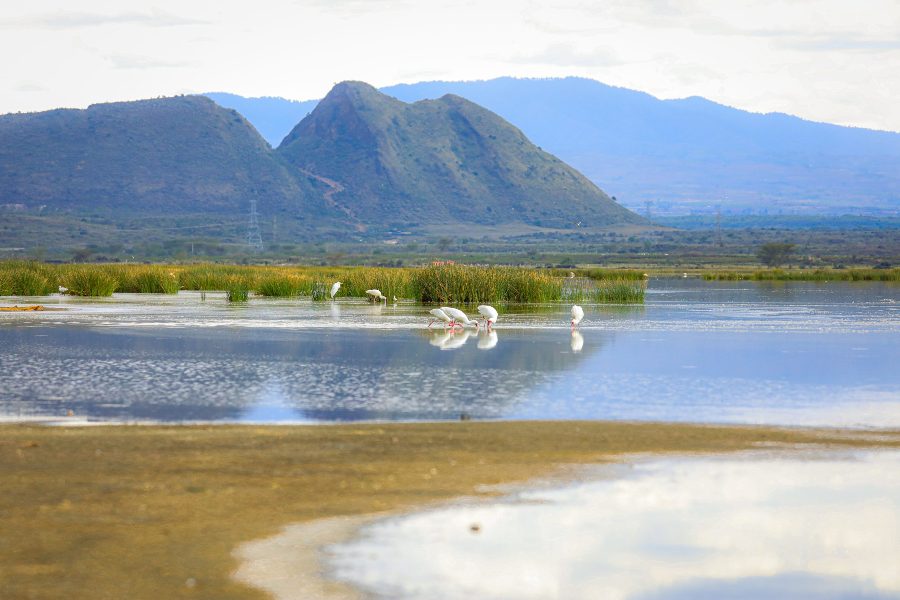
Kenya is known for its wildlife safaris, breathtaking landscapes, and gorgeous coastlines, although the spectacular lakes scattered throughout the Great Rift Valley and throughout other areas in this country remain one of the country’s best-kept secrets. Each of these lakes can be found in a different part of the country and features incredibly beautiful landscapes, huge amounts of birds and other wildlife, as well as endless opportunities for adventure.
There are flamingos in abundance at Lake Nakuru, and from the peaceful tranquillity of Lake Naivasha, and from the expansive wilderness surrounding Lake Turkana. These stunning lakes each have their own unique personalities and experiences.
No matter who you are, whether a nature lover, birdwatcher, photo enthusiast, adventure seeker, or safari fan, you will find something special at each of Kenya’s lakes.
Below is a listing and brief description of the top eight lakes and what you can do at each.
1. Lake Naivasha
Located about two hours’ drive away from Nairobi, Lake Naivasha is a well-known freshwater lake in Kenya that has gained immense popularity as a getaway location for tourists from around the globe. The lake features beautiful wildlife and vegetation surrounding it. This lake is a fabulous destination for people on a Kenyan safari due to its tranquil environment.
Highlights of Lake Naivasha include:
- Crescent Island
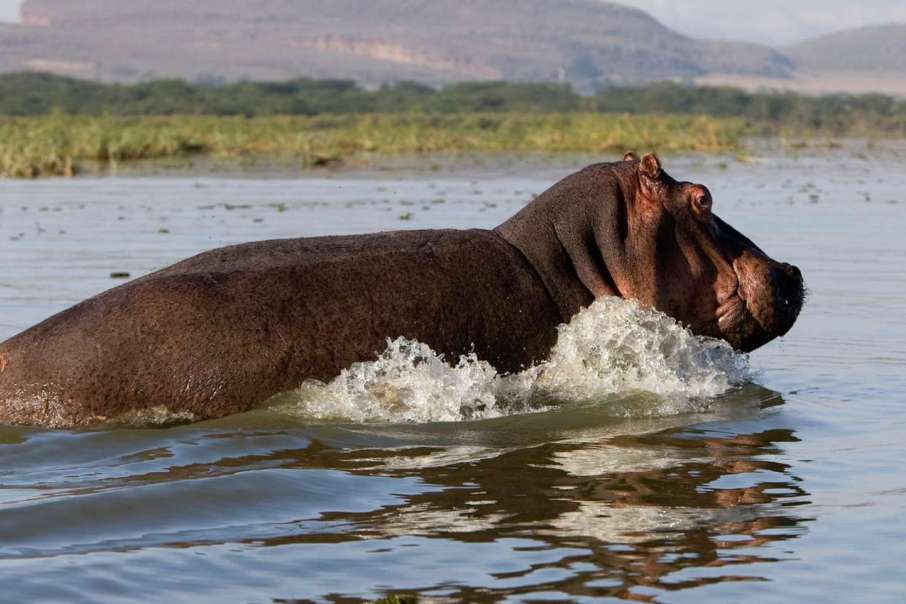
- Thousands of hippos
- Hundreds of thousands of acacia trees
- Stunning views of the lake
- Unique varieties of birds
Popular activities at Lake Naivasha include:
- Boat safari
- Walking safaris on the island
- Extraordinary birdwatching
- Taking pictures of the landscapes
- Walking on the beautiful walking trails
The highlight of visiting Lake Naivasha is to take a boat safari to view hippos and to observe fishing eagles swooping down onto the lake to capture fish.
2. Lake Nakuru
The lake is in Lake Nakuru National Park, Kenya’s premier tourist site and a significant body of water for birdwatching; as the water level changes over time, so will the quantity of flamingos in the lake.
Attractions in the area include:
- Flamingos
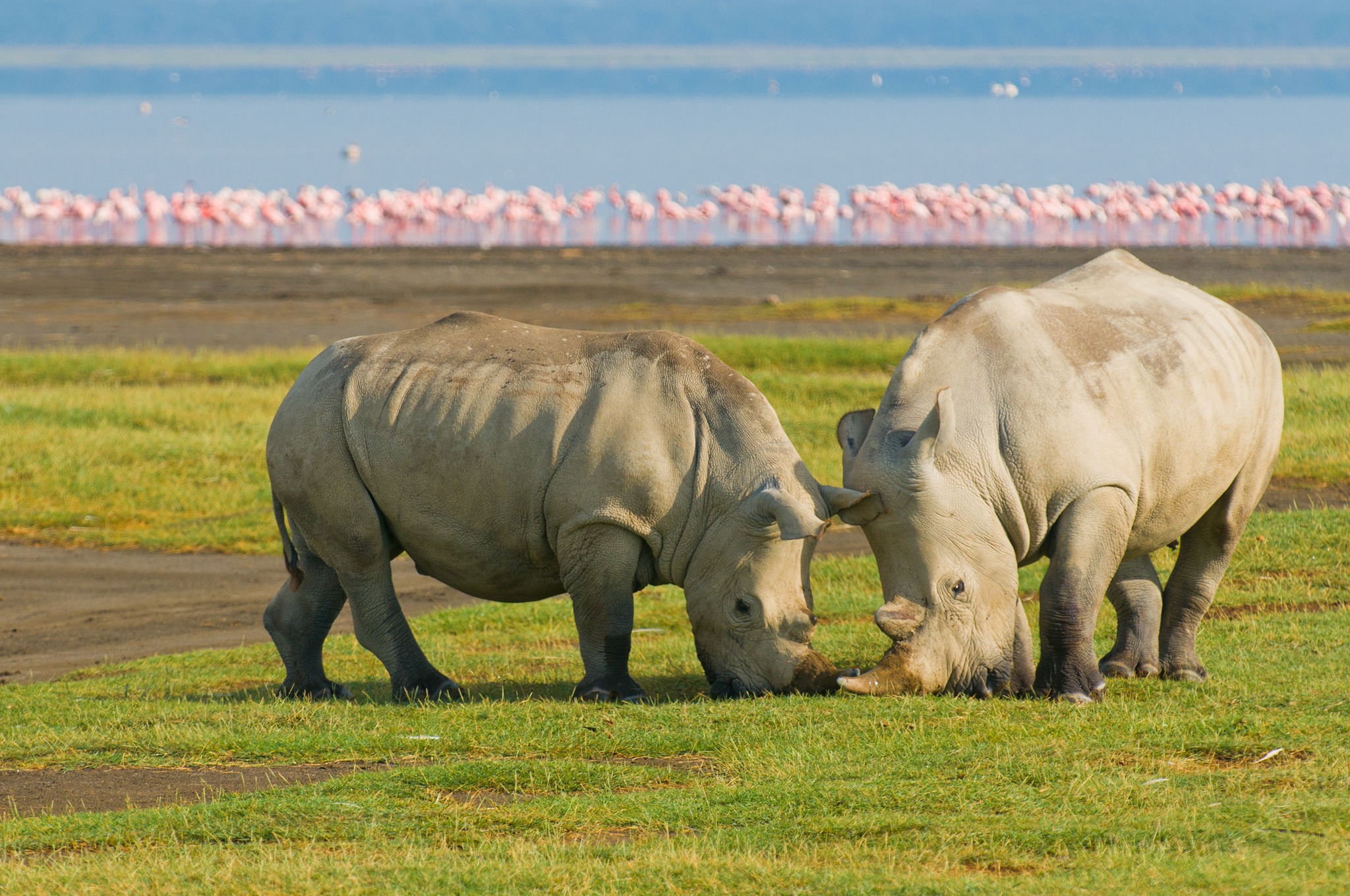
- Black and white rhinoceros
- Lions
- Rothschild giraffes
- Birdwatching from cliffs
Activities in the area include:
- Game drives
- Birdwatching
- Wildlife photography
- Scenic overlooks
- Observing nature
The lake is one of the primary destinations in Kenya for viewing rhinos in the wild.
3. Lake Bogoria
Lake Bogoria is among the unique lakes in the Great and East Rifts of the Great Valley.
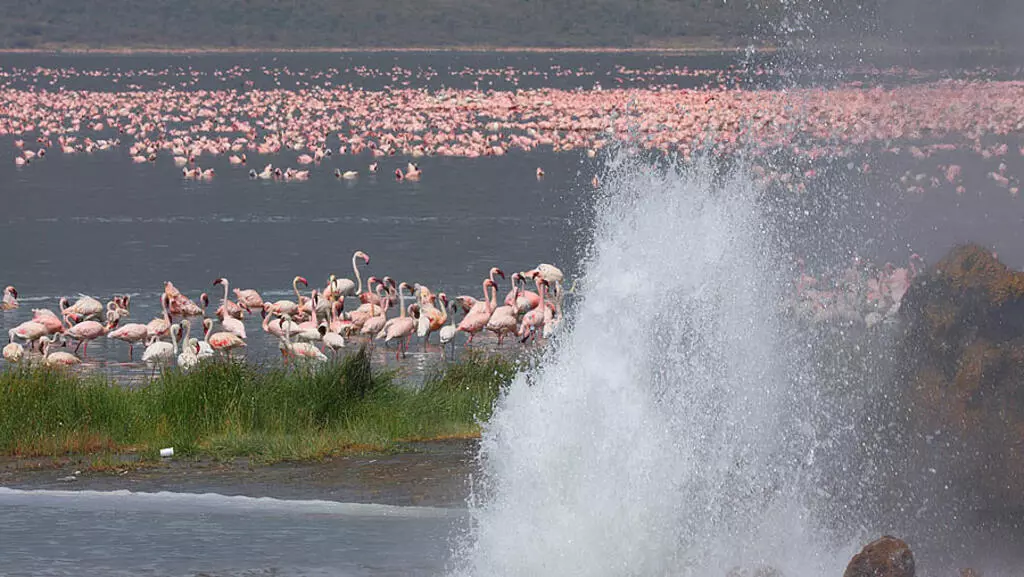
Boiling Springs and Geysers, along with the spectacular views of flamingos and the Rift Valley, create a beautiful, yet unusual, landscape.
Attractions:
- Hot Springs
- Geysers
- Flamingos
- Rift Valley scenery
Things to Do:
- Bird watching
- Photography
- Explore the thermal features of the lake
- Nature Walks
The Volcanoic hot springs and geysers create an incredible landscape that appears out of this world.
4. Lake Baringo
Lake Baringo is one of the northern Rift lakes in Kenya, along with other freshwater lakes found here.
The lake hosts a great variety of animals and birds.
Main Attractions
- Islands in the lake
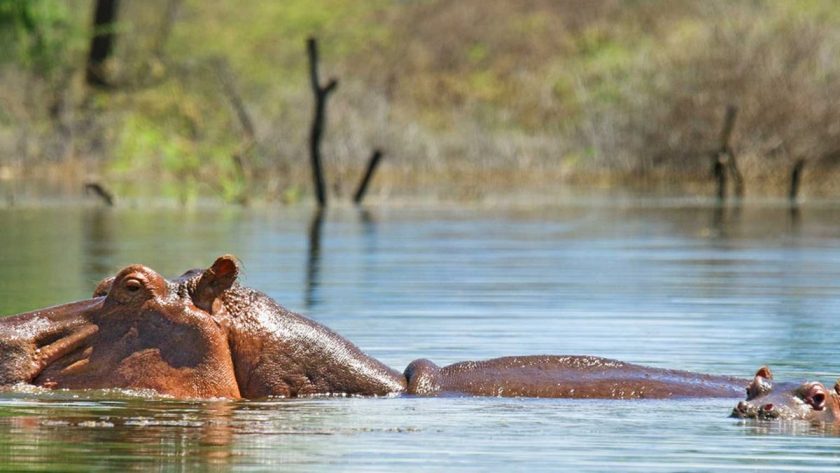
- Hippopotamus
- Crocodiles
- Fishing tribes who reside near the lake
Activities to Be Done
- Boat rides
- Birdwatching
- Cultural visits
- Fishing tours
- Animal viewing
Lake Baringo is recognized as one of Kenya’s best places to go birdwatching.
5. Lake Elementaita
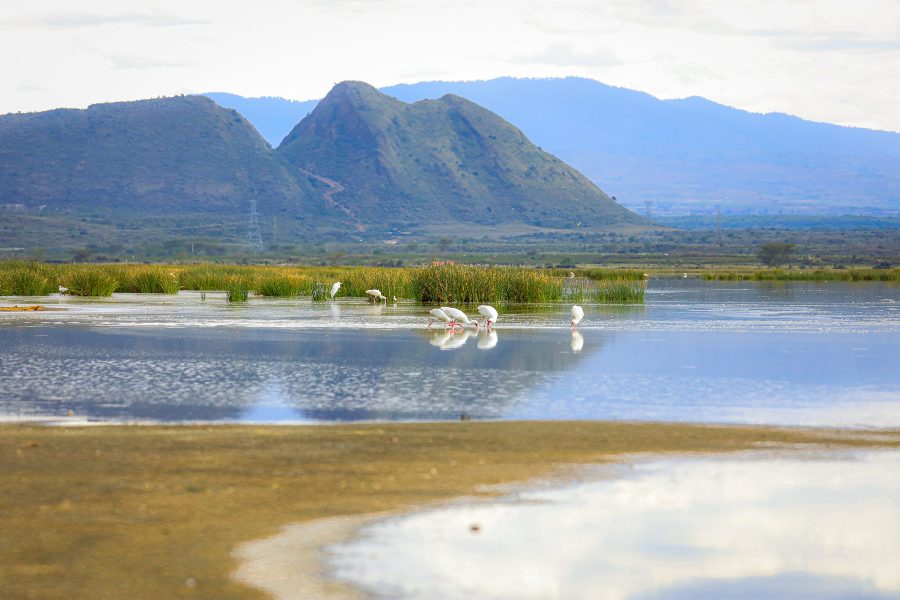
Located between Nairobi and Nakuru, Lake Elementaita is a UNESCO World Heritage Site.
One of the beautiful, tranquil lakes that has a large population of birds.
Main Attractions
- Flamingos
- Pelicans
- Beautiful Scenery
- Wildlife on the shoreline
Things to Do
- Birding
- Nature Walking
- Photography
- Relaxing in Nearby Lodges
The lake is a great destination for those looking for an escape from the everyday hustle and bustle.
6. Lake Turkana
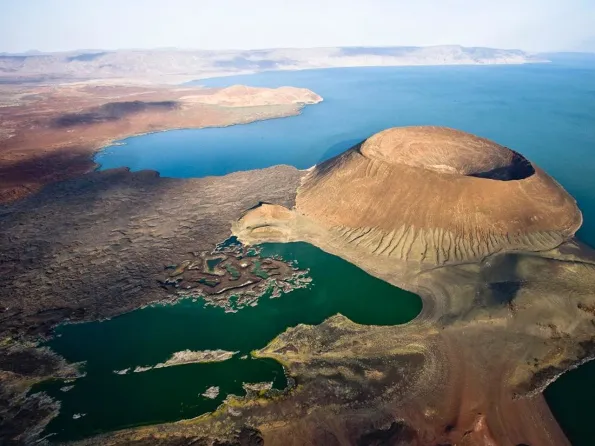
One of Kenya’s most isolated locations, Lake Turkana is the largest desert lake in the world. Nicknamed “Jade Sea” for its vibrant turquoise hue, the lake has a completely different climate from the other lakes in the Rift Valley region.
Main Attractions
- Central Island National Park
- Volcanic landscapes
- Fossils discovered
- Various cultures
Things to do
- Historical and cultural tours
- Boat tours on Lake Turkana
- Photography
- Exploring volcanic islands
- Adventure travel
The lake is significant for its importance in anthropological studies due to the major archaeological finds that have been discovered in the area, especially with regard to human evolution.
7. Lake Victoria
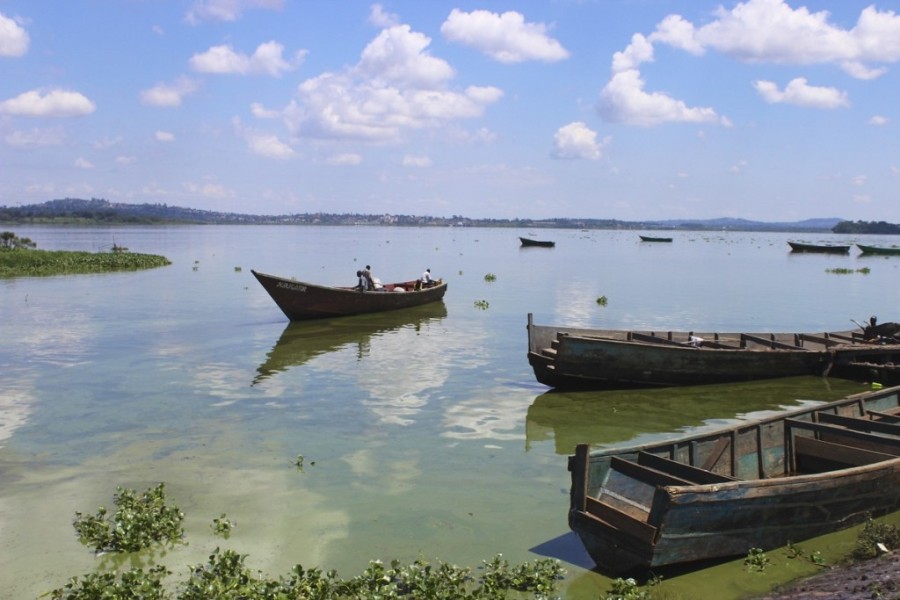
Lake Victoria is the biggest lake in Africa and is also the world’s second biggest freshwater lake.
Lake Victoria is shared between Kenya, Uganda, and Tanzania, and provides food for millions of people both through fishing and farming.
Major Attractions
- Mbita area.
- Fishing communities.
- Spectacular sunsets.
- Cultural history.
Activities You Can Do
- Boat rides!
- Fishing trips.
- Bird-watching.
- Visiting Islands.
Lake Victoria offers a unique view of the culture and lifestyle of western Kenya.
8. Lake Jipe
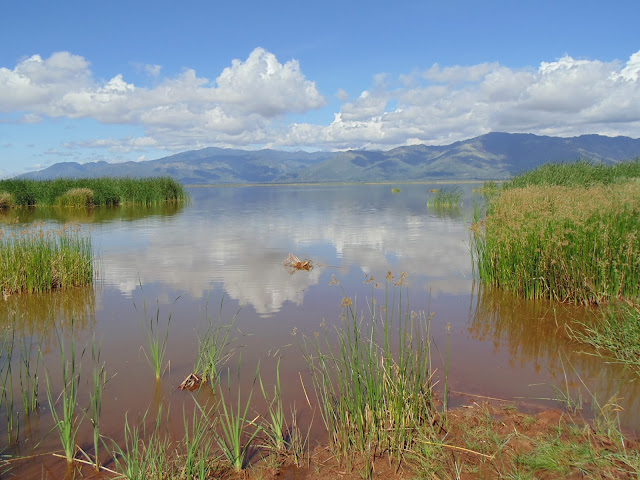
A hidden jewel of Lake Jipe straddles the border of both Kenya and Tanzania at the southwestern end of the Tsavo ecosystem. It is much less frequented than many other lakes within Kenya, but its beauty is almost unmatched.
Some of the features to see here include:
- Borders with two countries
- Wetland habitats
- Bird watching
- Stunning views of Mt. Kilimanjaro
Some of the activities people can partake in are:
- Bird watching
- Boat rides
- Photography
- Nature exploration
The lake is a haven for bird lovers and has a wide variety of both native and migratory water birds.
Why Kenya’s Lakes Are Worth Visiting
The lakes of Kenya present a different type of experience than you would expect from the classic safari locations.
You can enjoy the following:
- Bird watching
- Boat safari
- Wildlife viewing
- Cultural experiencing
- Scenic views
- Photo opportunities
Most lakes provide an alternative for those who want a more tranquil experience between visiting national parks and game reserves.
Best Time to Visit Kenya’s Lakes
Kenya’s lakes can generally be visited all year round; however, there are two times of the year when the weather is best:
January/February, and June/October
These months typically offer:
- Better Roads
- More Comfortable Weather
- Wonderful Wildlife Viewing
If you are a birdwatcher, your best months for viewing birds will usually be during the Wet Months when the Migratory Birds are Available.
Activities You Can Enjoy Across Kenya’s Lakes
Regardless of which lake you decide on, there is an abundance of things to do at any and every lake.
Some common activities at the lakes are:
- Boat tours
- Birdwatching
- Wildlife photography
- Nature walks
- Fishing
- Cultural tours
- Camping
- Scenic touring
Each lake has a different combination of things to see or do.
Combining Lakes with Safari Adventures
Kenya’s lakes are just one area that many travelers choose to combine with their safari trips.
Some of the most common combinations include:
- Naivasha Lake in conjunction with Hell’s Gate National Park
- Nakuru Lake in conjunction with the Maasai Mara
- Baringo Lake in conjunction with Samburu
- Jipe Lake in conjunction with Tsavo West National Park.
When combined, you have a very diverse set of locations throughout your overall experience in Kenya.
Final Thoughts
Countries around the world are home to some of the planet’s finest lakes. Each of Africa’s lakes varies greatly depending on both its habitat and its unique Aquatic Life within them. Like the beaches in Kenya, the lakes offer tremendous recreational opportunities for tourists alike; whether it is fishing, swimming, boating, or camping, there will be something enjoyable for all.
Kayaking Lake Turkana, Bird Watching along the lakes on Campbell Island; to many people visiting Kenya from outside of Africa, may not be able to experience all the different types of water-based languages that exist in this region.
Regardless of the activities you choose, visiting any or all of any of these eight memorable Lakes, it helps to demonstrate and reinforce the sheer diversity and geological forms of nature that exist within and outside of your home country.