

Ngorongoro Crater Travel Guide: Wildlife, Safaris & Best Time to Visit
One of Africa’s most astonishing wildlife destinations in Tanzania: the Ngorongoro Crater. It is located in the northern part of the country, and it is a natural wonder. The Ngorongoro Crater is full of breathtaking scenery, a huge animal population, and different opportunities for watching animals within a small area.
Imagine driving on the enormous ground of the crater while surrounded by the enormous volcanic walls, and seeing many zebras eating grass together with wildebeests, lions resting in the grass, and elephants in the woods.
The Ngorongoro Crater has different zones and beautiful scenery, so it is a great place for a safari.
The crater is part of the broader ecosystem of the Ngorongoro Conservation Area, which is a UNESCO World Heritage Site that is aimed at protecting wildlife, nature, and history.
Whether it is your first African safari or you plan a whole tour in Tanzania, this guide will help you learn about the wildlife, things you can do there, best months to travel, staying options, and other useful travel tips.
Where Is Ngorongoro Crater?
Ngorongoro Crater is found in the Ngorongoro Conservation Area in northern Tanzania.
It is located on the northern Tanzania safari circuit and can be visited with other travel destinations like Serengeti National Park, Tarangire National Park, and Lake Manyara National Park.
The crater is the result of an explosion of a big volcano that collapsed in. Today, its wide flat area includes grasslands, wetlands, woodlands, and a soda lake, creating habitats for various animals.
The size of the crater measures around 19 kilometers across. Its steep walls are hundreds of meters high and surround the volcano floor.
How Do You Get to Ngorongoro Crater?
The majority of travelers abroad will start their travel experience in Arusha – a key gateway to the famous northern Tanzania tourist spots. It normally takes a few hours from Arusha to reach the Ngorongoro Conservation Area, although it can vary due to factors such as the weather, road conditions, and the rest stops chosen along the trip.
A lot of tourists merge the Ngorongoro experience with visits to Serengeti or Tarangire as part of a whole 5-day safari. Upon entering the country at Kilimanjaro International Airport, one has to take a transfer to Arusha and then travel to the Ngorongoro Conservation Area. It is better to use the services of tour operators in Tanzania that provide help with transport and facilities.
Wildlife You Can See in Ngorongoro Crater
One of the best features of the crater is the diversity of wildlife that can be seen during a wildlife safari.
The mixture of open savannah, sources of water, and forest allows large herbivores and carnivores to thrive all year long.
Lions
The lions are very popular animals in Ngorongoro Crater.
The floor of the crater is very suitable for the predators, and travelers can see them relaxing in the grass, playing with their pride, and roaming on the ground.
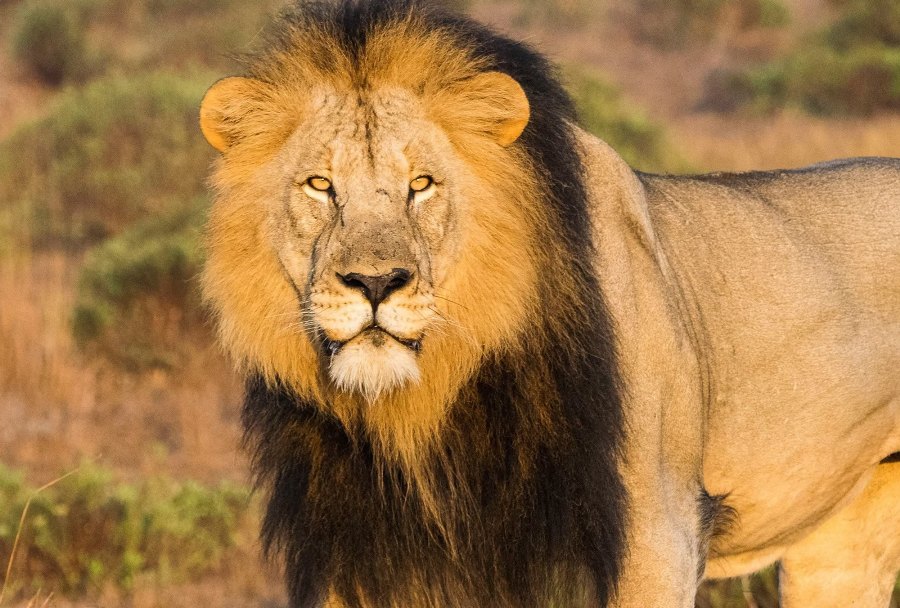
Morning safari tours often provide spectacular opportunities to observe the lions when it is cooler.
While sightings can be great, an encounter with wildlife is not guaranteed.
African Elephants
Elephants are huge attractions.
Some elephants in the crater include old bulls featuring large tusks. These elephants can be found traversing through the woods, grazing, or walking crosswise across the open plain.
Elephants are spectacular creatures and are the primary focus of many safari participants and photographers.
Take care to maintain a significant distance and heed the advice of your guide when observing elephants.
Black Rhinos
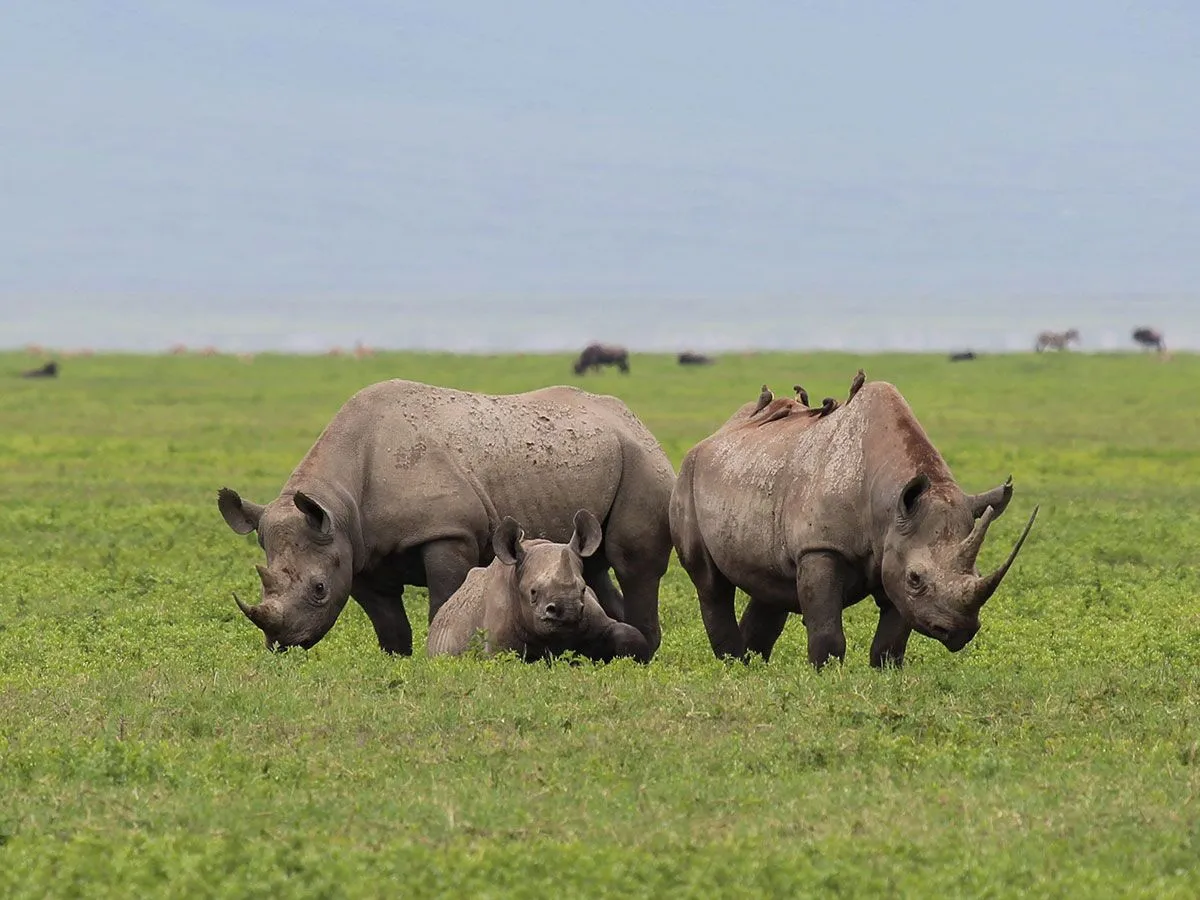
Ngorongoro is one of Tanzania’s major habitats for the black rhino.
Conservation programs are in place to enable protection of black rhinos, but spotting them may be a challenge.
A rhinoceros sighting is uncertain. Nonetheless, the thrill of seeing a black rhino in the wild makes Ngorongoro an exciting place for wildlife fans.
Buffaloes, Zebras, and Wildebeest
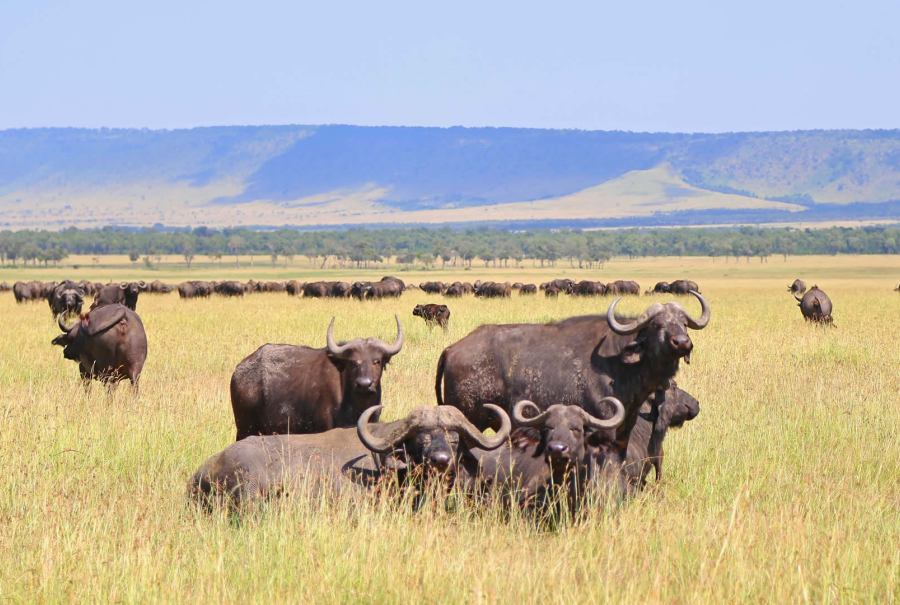
The large number of buffaloes, zebras, and wildebeest is one of the reasons for the rich wildlife in the crater.
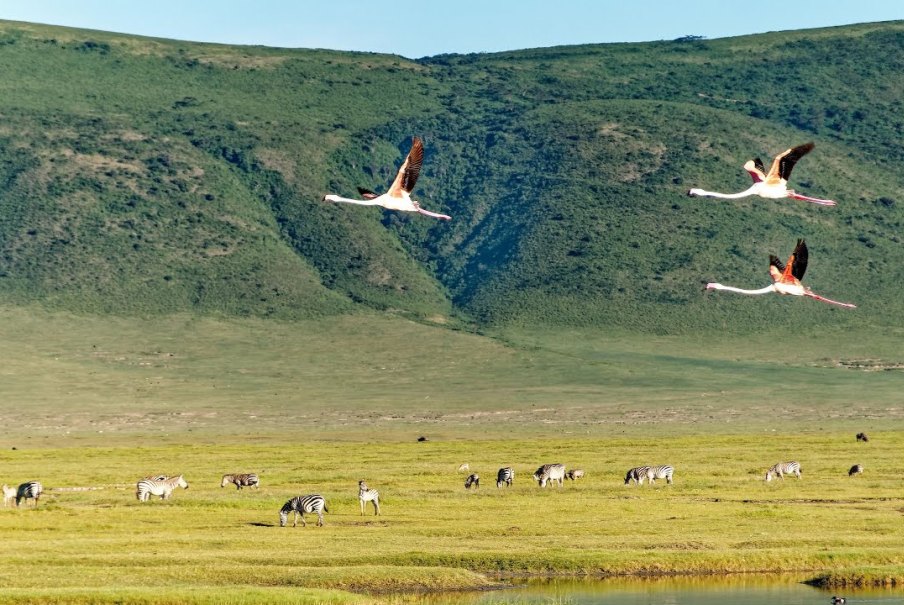
Buffaloes are seen in large herds, while zebras and wildebeest can be found feeding.
Besides, these animals play an important role in providing food for different predators.
Hyenas and Other Predators
When one thinks of the crater wildlife, the spotted hyena comes to mind right away. They are good hunters and scavengers, vital for the ecosystem.
While in some areas jackals and different small carnivores are also seen, leopards can be quite rare.
Birdlife
Ngorongoro is famous for good birdwatching as well.
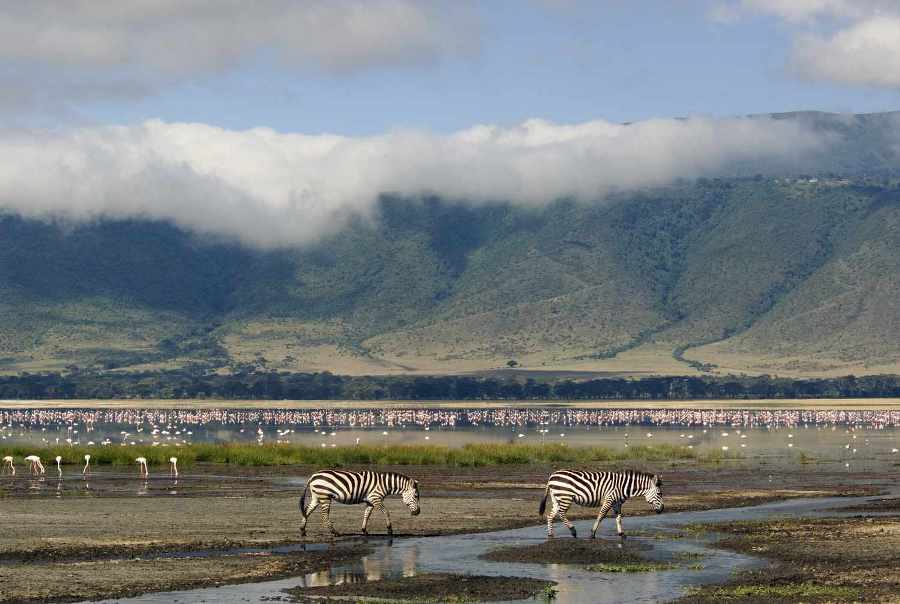
Depending on the time of year, you may see ostriches, flamingos, eagles, storks, vultures, and a lot of other birds.
When visiting Lake Magadi, which has shallow alkaline waters, you may see flamingos.
It is a good idea to take binoculars with you when visiting this destination.
Best Time to Visit Ngorongoro Crater
Ngorongoro is open for visitors at any time of the year; however, weather impacts the views, travel, and wildlife viewing in the area.
For the most appropriate period for sailing, it is required to decide beforehand how important it is to you to visit in dry weather, see greenery, and watch birds, or use low-budget accommodation.
- June to October – The dry season
There is usually less rainfall, and game drives become more pleasant during the dry season. As some areas will have shorter grass, it may become easier to spot the wildlife.
There are many animals on the territory all year round, such as elephants, lions, buffaloes, and zebras.
However, during these months, there is much more competition between visitors, especially when they travel to Ngorongoro and Serengeti during the Great Wildebeest Migration.
If you are planning to go there at this time, please remember to organize accommodation and a safari in advance.
- November-December: Short Rains
The short rains can alter the surrounding terrain, creating new plants and impressive clouds.
Hence, these months may attract nature photographers, and adventurous tourists may desire to experience something other than the dry season.
Rainfall may change yearly, and rainy days may lead to a difficult travelling experience.
Wild animals are still available for observation, but one should be flexible.
- January-March: Green Landscapes and Wildlife
The period of January-March may create conditions for safaris, depending on the amount of rain and the weather itself.
The landscape may become greener, and the larger northern Tanzania circuit may allow one to witness the migration period of wildebeests in southern Serengeti.
Ngorongoro, in turn, is also attractive since there are animals to see there.
- April to May: Long Rains
In the months of April and May, there is the long-rains season, which takes place in most regions of northern Tanzania.
At this time, the landscapes are likely to become very green and very scenic due to a reduced number of tourists at several locations. Nevertheless, some lodges will offer special seasonal prices, though discounts are not guaranteed.
Heavy rainfall might create muddy roads and increase your travel time per distance.
If you choose these months for traveling, you should consider working with local experts and plan for changes to your plans on the spot.
In general: for those who prefer mostly dry weather, June to October is the best time to visit, while January to March is good for those who want to visit Ngorongoro while in southern Serengeti.
Combine Ngorongoro Crater with Other Tanzania Destinations
Ngorongoro is great to include when opting for a longer safari trip in Northern Tanzania. Serengeti National Park. Merging Ngorongoro with Serengeti National Park can create chances to visit wildlife areas that differ significantly.
- Serengeti National Park
It is widely visited due to its vast open areas, plenty of predators, and the Great Wildebeest Migration. You can visit different areas of the park by staying there for a few days.
- Tarangire National Park
Known for elephants, baobab trees, and the movement of animals according to the season. It is a good option for those who want to visit even more wildlife parks in Northern Tanzania.
- Lake Manyara National Park
It boasts forests, groundwater forests, lake environments, and different birds. You can visit the park as part of the long route if traveling. However, you will need to check the time and the routes. A week-long safari can combine different locations, while a shorter trip will enable you to visit Ngorongoro and one more destination.

Practical Tips for Visiting Ngorongoro Crater
Before your trip, the following are things to keep in mind.
- Use layers to pack. It can seem chilly on the rim of the crater and especially in the early morning hours.
- Don’t forget to take along binoculars. They come in handy for spotting wildlife and birds.
- Use sun protection. Wearing a hat, sunglasses, and sunscreen will be of great importance while going on a game drive.
- Make reservations in advance whenever possible. Choice accommodations can quickly fill up, particularly during peak safari months.
- Listen to your guide’s recommendations. If advised to remain inside the vehicle, you should follow this instruction.
- Be sure to check the fees ahead of time. It is a good idea to check the cost of conservation parks and other expenses before budgeting.
- Travel time should be taken into account. The journey between safari regions in the northern parts of Tanzania can take some time and may stretch over several hours.
- Make sure to prepare your travel documents in advance. International travelers are advised to check possible requirements before going to Tanzania.
- Check with the Department of Immigration of Tanzania for important immigration information.
Final Thoughts
Ngorongoro Crater is among the top safari destinations in Tanzania, with a unique combination of stunning views and the chance to see elephants, lions, buffaloes, zebras, wildebeest, as well as the rare black rhinoceros.
The small size of the wildlife area makes it ideal for tourists, as they can see plenty of animals during their visit.
The best time to visit depends on your priorities. The dry season is good for nature safaris, while the green months have different views and unique accommodation.
For a complete journey around East Africa, you may want to explore destinations such as Serengeti, Tarangire, or Lake Manyara in addition to Ngorongoro.
With good organization of the trip and the help of a professional guide, the visit to the Ngorongoro Crater is likely to be among the most unforgettable trips during your visit to Tanzania.