
Discover Lake Manyara: Home of Tanzania’s Tree-Climbing Lions
Renowned for its expansive wilderness, captivating scenery, and magnificent wildlife, Tanzania has much to offer. Its safari experiences can be as unforgettable as those of the Serengeti or the Ngorongoro Crater. However, amid the Great Rift Valley escarpment in northern Tanzania lies another famous but lesser-known destination: Lake Manyara National Park.
Nestled in the northern region of Tanzania, Lake Manyara National Park is primarily known for its unique feature: the tree-climbing lions. Witnessing lions perched high in acacia or mahogany trees is something that adds to the charm of this park.
But the natural beauty of the park is not restricted only to the lions. Lake Manyara features the right combination of groundwater forests, open grasslands, woodlands, hot springs, wetlands, and alkaline lakes that leads to an outstanding ecosystem in a relatively compact region.
This guide provides all the necessary information about Lake Manyara and how to combine it into your safari with the Serengeti and Ngorongoro Crater or visit it on its own.
Where Is Lake Manyara National Park?
In northern Tanzania, Lake Manyara National Park is found about 120 kilometers (75 miles) to the west of Arusha.
The park is located at the foot of the Great Rift Valley cliff, making it a scenic spot for wildlife viewing.
Lake Manyara is in the middle of the park, covering a great area, but depending on seasonal weather changes, the actual size of the lake varies considerably.
Lake Manyara’s location is very helpful for tourists as it can easily be included in northern Tanzania safari routes.
One popular hike is:
Arusha → Lake Manyara → Ngorongoro Crater → Serengeti
This route provides a chance to visit a variety of ecosystems throughout the safari.
Why Is Lake Manyara Famous?
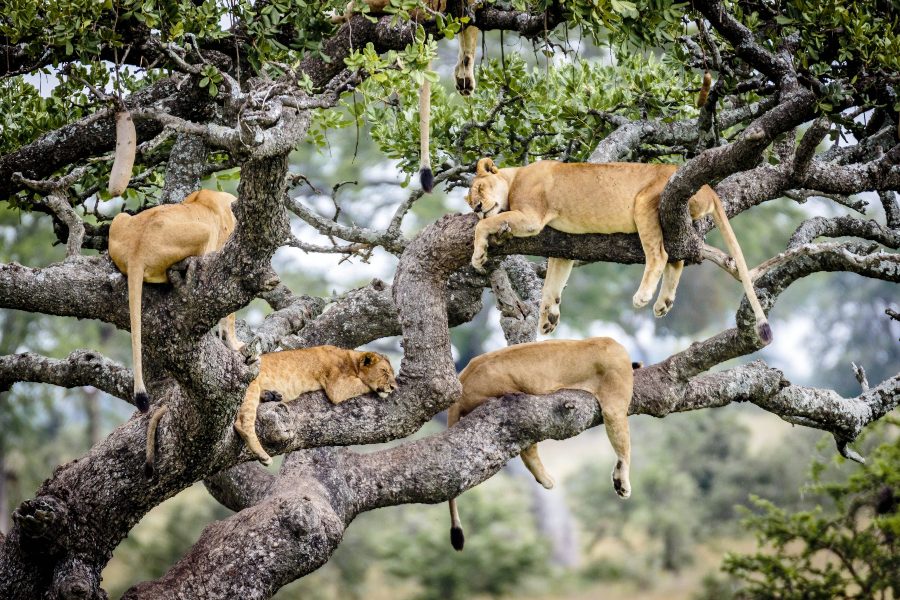
Lake Manyara is famous for its lions that are tree climbers.
The lions here are different from lions found in grasslands because they climb up trees and relax on their branches.
It is rare to see a lion resting on a tree.
People studying lions have different views on this. Some believe that lions climb trees so that they can get away from insects and enjoy cooler winds or have a good view.
Nevertheless, any sighting of this animal is a thrilling experience.
It is also essential to remember that the tree-climbing lions are not guaranteed in all visits. The wildlife can be unpredictable, and lions might be found on the ground, as in other parts of Tanzania.
The experience will be memorable because of the rare sighting of this behaviour.
The Wildlife of Lake Manyara
Despite the considerable attention the tree-climbing lions receive, Lake Manyara has plenty of wildlife to boast about.
When you take a game drive, you could come across many different animals, including:
- Elephants
- Lions
- Buffaloes
- Hippos
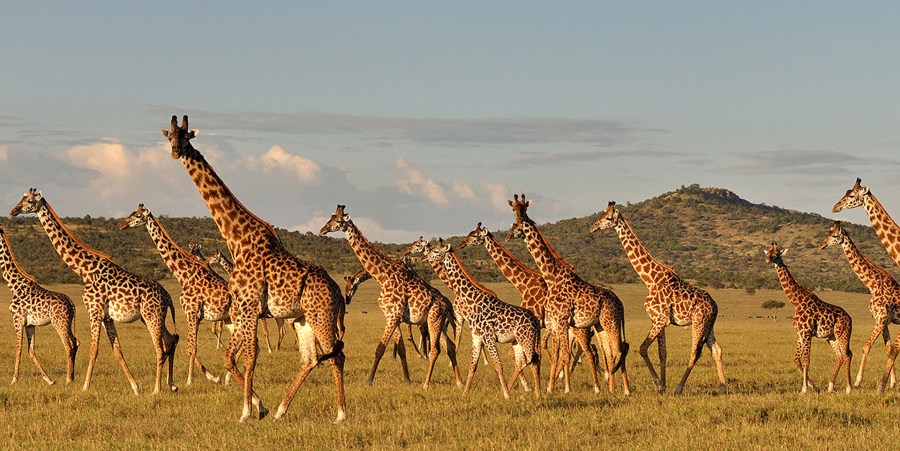
- Giraffes
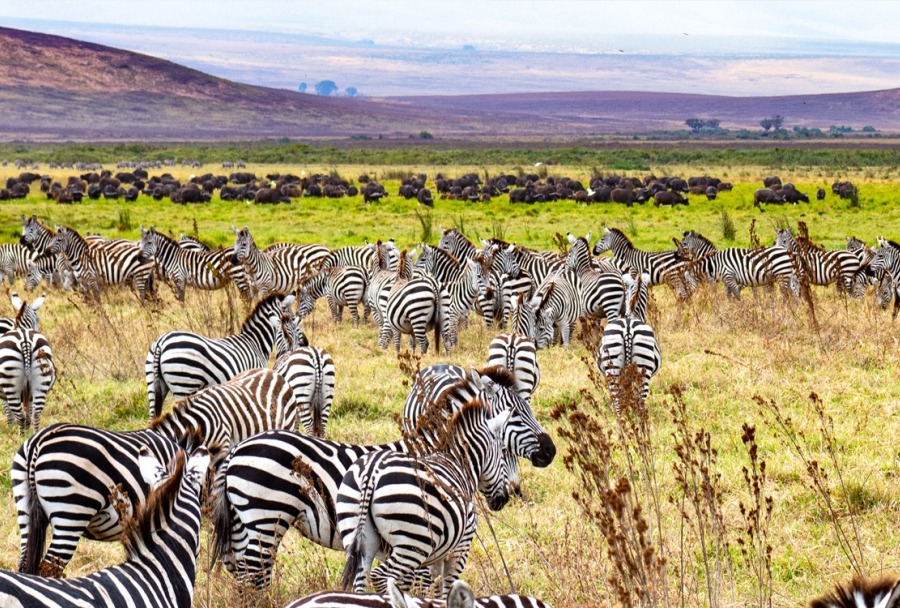
- Zebras
- Wildebeests
- Warthogs
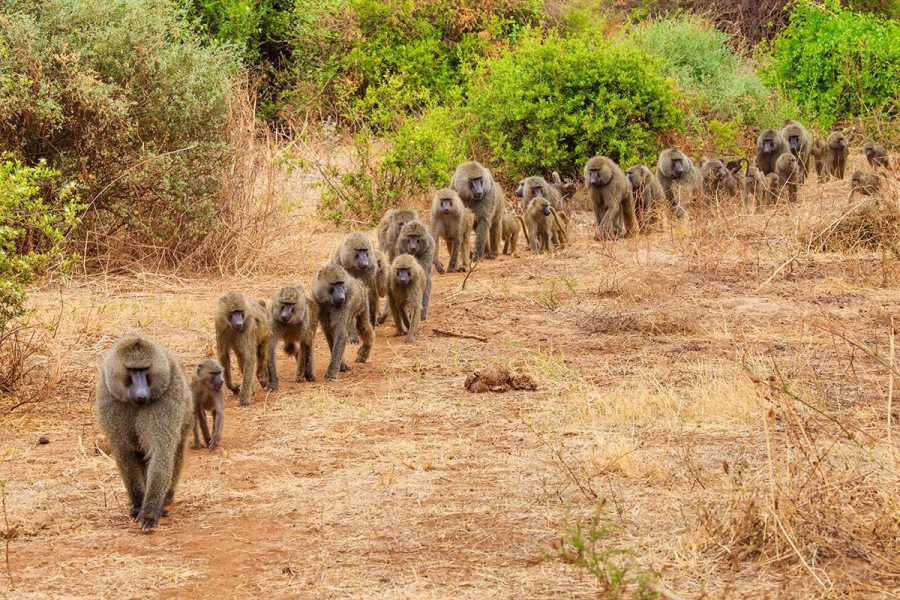
- Baboons
- Monkeys
- Impalas
- Gazelles
- Bushbucks
- Waterbucks
Due to the many different habitats that exist in the park, different species can be seen in a small area.
Lake Manyara is particularly famous for elephants, and they are really common in the woodlands of the area.
Another animal commonly visible in the park is the baboon, which can easily be spotted on the roads and in forested areas.
The Famous Tree-Climbing Lions
For many of its visitors, the lions tend to be the most sought-after attraction in Lake Manyara.
Unlike the classic depiction of lions basking in the open savannah, the lions of Lake Manyara can be found snoozing in the trees.
This offers a completely new opportunity for amazing photos.
Picture yourself driving slowly in the park and suddenly spotting a pair of paws hanging off the thick branch. As you look closer, the shape of a lion becomes visible between the leaves.
The sight is what can turn an ordinary game drive into a special safari experience.
If you want to photograph the tree-climbing lions, you should carry a camera with a good zoom lens or binoculars. The lions can either be high up in the branches or far away from the road.
Also, remember that the guide’s experience can help you find them faster.
Elephants in Lake Manyara
Another major draw is the elephant population.
Lake Manyara’s forested area is crucial in terms of its importance to elephants, and tourists might be able to witness the herds moving in the wooded area or across clearings.
Observing elephants in social situations is very interesting. Calves mostly stay with adults, while older members of the herd help look after the young ones.
On safari, one can find elephants eating their food, dusting themselves, or just walking around the area.
As is the case with any other animal in nature, one has to be respectful and listen to the guide’s instructions.
Lake Manyara’s Birdlife
Lake Manyara is the perfect place for bird enthusiasts.
The diversity of habitats, including the lake itself, wetlands, forests, and open spaces, offers opportunities for various bird species.
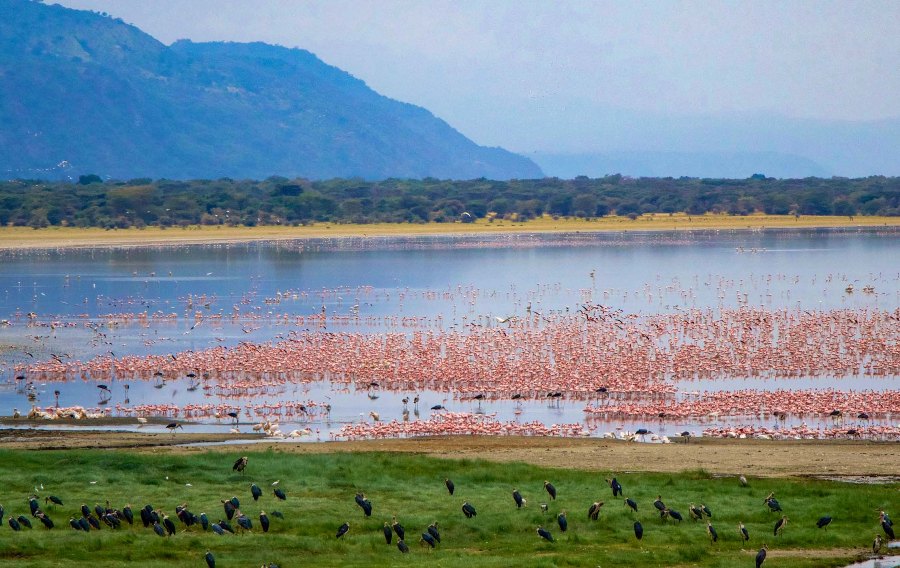
Birdwatchers can spot the following species at Lake Manyara, depending on the season:
- Flamingos
- Pelicans
- Storks
- Herons
- Egrets
- African fish eagles
- Hornbills
- Kingfishers
- Weavers
- Crowned cranes
Lake Manyara becomes beautifully alive when an abundance of waterfowl gathers on its shores.
One of the most sought-after sights for tourists is the flamingo colony.
The variety in the number of flamingos at Lake Manyara may depend on water levels and seasonal conditions.
The Landscape of Lake Manyara
Lake Manyara is well-known for its diverse geography.
In fact, the park has much more to offer than a mere expanse of grass.
On just one tour, it is possible to experience swamplands, vast fields, forests, lakes, and the edges…
In addition, because of the many terrains available, something new awaits visitors in every location they visit.
Additionally, the Great Rift Valley escarpment rises close to here, providing an amazing background.
The different landscapes mean that the scenery is different as one moves through the park.
It’s possible to drive under tall trees only to reach grass or wetlands a few minutes later.
This variety is also good for photos.
Lake Manyara’s Groundwater Forest
The lush groundwater forest is one of the most unusual features of the park.
Thanks to its underground water sources, the forest appears to be flourishing even during dry seasons.
The tall trees form a shady environment where animals like monkeys, elephants, and other wild creatures can stay.
This forest represents a stark contrast to the dry terrains associated with the African safari.
As you drive through it, you feel like entering a completely different ecosystem.
Hippos and the Lake
Lake Manyara is an important habitat for aquatic animals, such as hippos.
Hippos can usually be seen swimming in their habitat at times of good weather, although they can also sometimes go onto the coral reef to eat.
It is amazing to observe hippos from afar, especially when several of them are gathered together.
The lake is also home to a variety of fish.
Water levels depend on rains, so the lake may look different as the seasons change.
When Is the Best Time to Visit Lake Manyara?
Lake Manyara is accessible almost all year round, but every season has its own unique experience to offer.
Dry Season
The dry season is popular for spotting wildlife since the vegetation is not as thick and animals tend to congregate near water sources.
Road conditions are better in general during dry periods, considering that less rain causes fewer fluctuations in road conditions.
This makes dry seasons attractive for safari customers who have never been on this type of travel before.
Wet Season
The wet season changes the land drastically.
Vegetation becomes greener, waterfalls and rivers become more active with the rains, and so does the birdlife.
Landscapes also look amazing when photographing them.
The wet season is a good time for people fond of nature and birds to visit the area.
How Many Days Do You Need?
You can visit Lake Manyara in one of two ways:
- As part of a short safari
- Along with a longer itinerary in northern Tanzania.
Often, a single day is enough to explore this area, as long as you make it part of a combination with other attractions.
Here is a possible itinerary for two days:
Day 1: You can travel from Arusha to the park and do the afternoon game drive at Lake Manyara.
Day 2: You can do the morning activity and then travel to Ngorongoro.
Another very popular itinerary is:
Arusha → Lake Manyara → Ngorongoro → Serengeti → Arusha.
The number of days varies depending on what you want to do and your budget.
How to Get to Lake Manyara
Typically, travelers traveling to Lake Manyara incorporate this destination into a larger trip around northern Tanzania.
The location is easy to reach from Arusha, making it a sensible stop on any safari itinerary.
Travelers flying domestic flights arrive at the airstrip located in the Lake Manyara area.
For those arriving from abroad, the safari usually includes a trip to Lake Manyara after landing at Kilimanjaro International Airport.
Tips for Visiting Lake Manyara National Park
When planning for a successful trip, it is advisable to remember the following tips.
Start Early
The best time for wildlife viewing is during an early morning game drive when the weather is cooler.
Listen to Your Guide
The performance of an experienced guide is understanding the behavioral patterns of animals and knowing where to find them.
When watching animals that are at a distance, the binoculars will come in handy.
Be Patient
It is important to understand the fact that climbing lions are not found everywhere. It is worthwhile to take time to familiarize yourself with the greater wildlife experience.
Protect Your Camera
Safari roads can be dusty. The best option is to carry your camera in a protected bag at times when you are not using it.
Respect Wildlife
It is unacceptable to feed, hustle, or approach wildlife unnecessarily.
Final Thoughts
Although Lake Manyara National Park is smaller in size in comparison to some of the prime safari sites in Tanzania, it is an absolute must-visit attraction in Tanzania.
The park is known for its climbing lions, but the main highlight here is the combination of diverse wildlife, forests, wetlands, birdlife, open grasslands, and the beautiful scenery of the Great Rift Valley.
It provides visitors a chance to go on game drives that range over lush forests, beautiful savannahs, and even lakesides with exotic animals such as elephants, baboons, hippos, giraffes, and birds, leaving unforgettable memories along the way.
For tourists touring northern Tanzania, Lake Manyara plays an extremely important role as it is easily integrated into any kind of safari program. You have a chance of combining it with such attractions as Ngorongoro Crater and Serengeti National Park, which means seeing a great variety of landscapes and wildlife.
And in case you are lucky enough to see a lion resting on a branch during your game drive in Lake Manyara, you will immediately understand why the park is known as the home for climbing lions in Tanzania.