
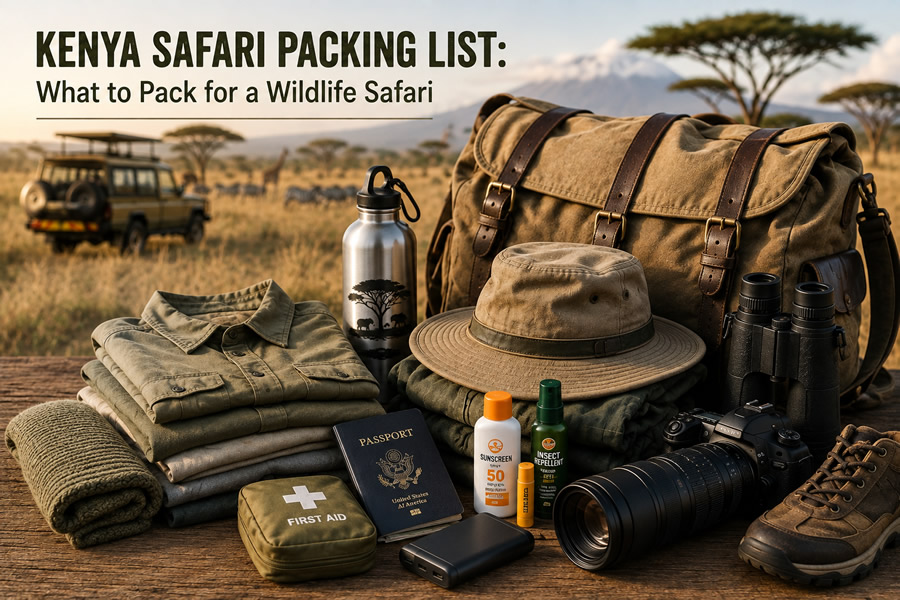
Kenya Safari Packing List: What to Pack for a Wildlife Safari
Going on a safari in Kenya is a thrilling experience. From watching lions and elephants in Maasai Mara to seeing Mount Kilimanjaro from Amboseli, every day creates a different adventure. But before entering the national parks and conservancies of Kenya, one important question arises: what to pack for a safari?
Packing for a Kenya safari requires packing differently than for any typical beach holiday or city trip. You may spend several hours in a safari vehicle, wake up before dawn to go on a game drive, experience different temperatures throughout the day, and drive on dusty roads. Wearing the appropriate clothing, appropriate footwear, and packing the necessary personal items, electronics, and travel documentation will make the trip more comfortable.
The good news is that you don’t have to overpack as well. A good safari packing list will consist of practical, light, comfortable, and outdoor-appropriate items.
1. Lightweight and Comfortable Clothing
What to wear is likely one of the main aspects of your Kenya safari packing list.
A day of safaris often starts early, in cool conditions, but is likely to turn hot by midday. It may get chilly again in the evening, especially in areas like Maasai Mara, Samburu and Aberdares.
The best solution is to wear layers of light clothes.
You should think about taking:
- 3–5 light T-shirts
- 2–3 long-sleeve shirts
- 2–3 pairs of lightweight trousers
- 1–2 pairs of shorts
- a light sweater or fleece
- a light jacket
- underwear and socks
- comfortable sleepwear
- a hat or cap
- sunglasses
Neutral and earthy colours such as khaki, beige, brown, olive and grey are advised for safaris because they work best with the natural habitat.
While you don’t have to wear safari colours for the whole trip, you should keep in mind that bright colours are not always suitable for watching animals.
Why Layering Is Important
Kenya’s climate differs based on the region you’re currently visiting.
During a morning at Maasai Mara, you might encounter a cold temperature, whereas by the afternoon it is much warmer. This is the case with Amboseli and many other safaris that are located at high altitudes.
Instead of taking a single bulky jacket with you, pack a few lighter layers that can easily be put on or removed as the weather changes.
2. A Warm Jacket or Fleece
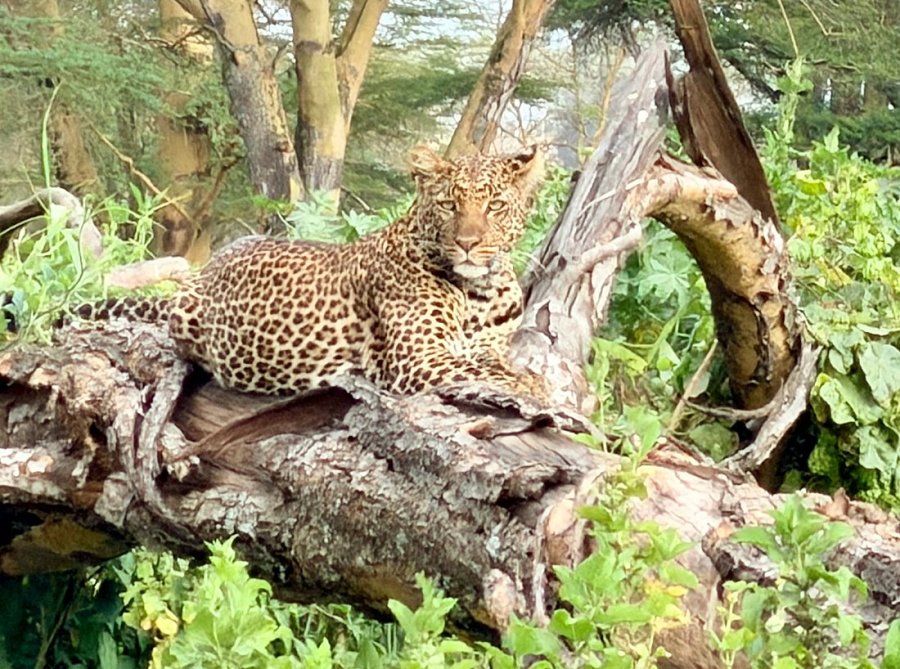
Do not make the assumption that Kenya is hot all over.
It can be quite chilly in the early morning when taking a game drive, particularly in an open-top jeep. Higher altitude locations are cold, such as Mount Kenya or the Aberdare Mountains.
A lightweight warm jacket or a fleece can make it so much easier to enjoy an early morning game drive. If travelling in cold months, using a thicker jacket may help more.
3. Comfortable Shoes
A traditional Kenya safari does not mean you need to wear heavy hiking boots.
For the majority of game drives, it is generally sufficient to wear comfortable closed shoes or trainers, but in cases where you will walk or hike while on safari, appropriate walking shoes or anything else applicable is a must.
You should pack your:
- Comfortable trainers
- Lightweight walking shoes
- Hiking shoes or boots when required
- Sandals or flip-flops to wear at the accommodation
When selecting your shoes, you should stick to those you already have experience wearing and are sure they are comfortable.
4. Sun Protection
Travelling in Africa in the sun is not easy since you will spend a lot of time under the sun during your safari.
Thus, sun protection must be included in your packing list.
You should bring along:
- Sunscreen
- Sunglasses
- Hat or Cap
- Lip balm
- Lightweight long-sleeve shirts
- Reusable water bottle
A pair of sunglasses will come in handy when driving through dusty roads.
One also needs to consider wearing a hat, as it will provide some shade while watching the wildlife.
5. Insect Repellent
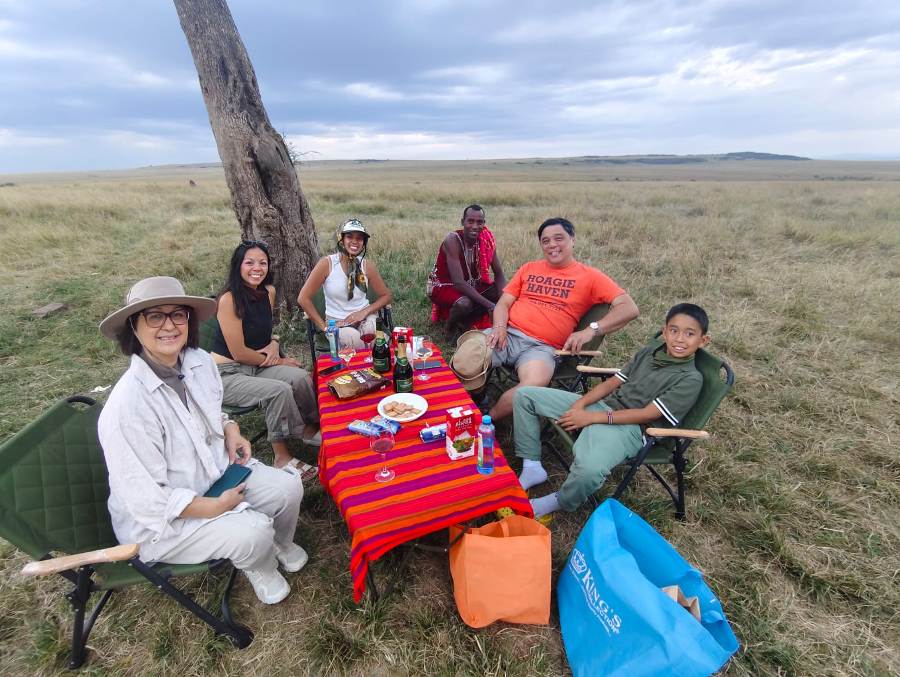
While mosquitoes may not necessarily pose a threat everywhere, it would be a good idea to have insect repellent with you.
This is useful in areas with shrubbery, near rivers or lakes, or when going outside for a while in the early morning or during the evening hours.
A reasonably good insect repellent could make your evenings in and around your lodging much easier.
It also makes sense to consider taking long-sleeved clothing and long-horned pants while traveling.
6. Personal Toiletries
Although most safari lodges and camps offer basic toiletries, you should still carry your essential supplies with you.
Some of the toiletries you should carry with you may include:
- Toothbrush; you will need toothpaste as well.
- Shampoo and hair conditioner.
- Body wash for the bath.
- Moisturizer for the face.
- Cleaning agent for the face.
- Cleaning agent for the hands.
- Cleaning wet agent.
- Personal hygiene supplies.
- A small towel if necessary.
Wet wipes are very useful during long game drives when the lodges cannot be accessed for many hours.
Using a small toiletry bag allows you to be organized and helps you find what you want easily.
7. Camera and Photography Equipment
Kenya safari offers an abundance of opportunities to capture images.
You may see elephants crossing your path, lions napping under trees, giraffes weaving through the field, or enjoying a beautiful sunrise over the savannah.
If photography is important to you, you may want to consider taking along the following equipment:
- Your camera
- A lens that can zoom or has telephoto capabilities
- Extra batteries
- Additional memory cards
- Camera cleaning cloth
- Protective gear
- Camera bag
- Power bank
- Binoculars
Using a zoom or telephoto lens may be helpful since animals may be some distance away from the safari vehicle.
Nevertheless, you don’t need to have a professional photography setup to enjoy a safari. Modern mobile phones are capable of taking good quality photos and videos, especially if the animals are close enough. A safari offers an abundance of opportunities to capture images.
8. Binoculars
Binoculars can be one of the most essential tools to take with you on your safari.
This is because not all animals will appear close to your safari vehicle. You may encounter a lion lying far off in a field or spot a bird perched on a branch or elephants moving by in the distance.
Using binoculars will help you see the animal properly without affecting it in any way.
Apart from that, they would also come in handy if you are into birding, which will add a new thrill to your safari in Kenya.
Even if you use a camera with a powerful zoom lens, binoculars will still serve you better, as you will not have to prepare your camera every time you want to check on a wild animal.v
9. Travel Documents
Your travel documents will be equally significant as your clothing.
Keep all your important documents sorted out and easy to find.
This travel information will help you determine what documents you should have depending on your planned trip.
It may include:
- A passport
- Visa or entry authorization
- Booking confirmation letters
- Air tickets
- Travel insurance
- Hotel or safari booking letter
- Emergency contact number
- Copy of important documents
- Bank cards
- Some cash in local currency
It is also good to keep all important documents digitally saved on your phone or cloud storage.
An international traveler should make sure that his/her passport meets the requirements of the Kenyan authorities.
10. Medication and First-Aid Essentials
Take with you any regular medicine that you take personally, and store it in an accessible place.
A small first-aid kit can also be taken along, containing basic things such as:
- Band aids
- Disinfectant wipes
- Painkillers
- If necessary, medication for motion sickness
- Personal medications
- Other necessary medical supplies
Do not count on finding the necessary medicines once you reach a remote safari site.
If you are on prescription medication, take more than enough supplies for your entire trip, and keep the original packaging.
What Not to Pack for a Kenya Safari
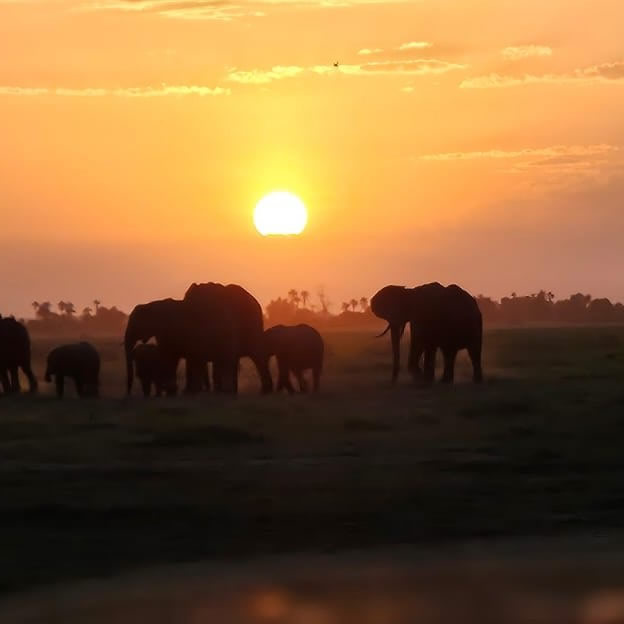
It is important to know both your priorities in items to bring as well as what to leave.
Make sure not to overpack by taking unnecessary shoes and bulky clothes.
Generally, you don’t need to bring:
- Several pairs of formal shoes
- Heavy winter clothes unless absolutely required by your itinerary
- A lot of jewelry
- Excessive cosmetics
- Many electronic gadgets
- Large hard shell bags for some safaris
- Unnecessary valuables
Note that many safari vehicles have limited space for luggage when several people share the vehicle.
Using soft-sided luggage may prove more practical than carrying large hard bags.
Final Thoughts
It is easy to pack for a safari in Kenya. You may want to carry along comfortable, protective, and practical items.
Make sure to pack light clothes, comfortable shoes, sun protection, anti-mosquito products, and your personal care items. Layering is a great trick. It is much easier to manage the temperature difference between the early morning, midday, and evening.
Moreover, do not bring too many things. You will not want to spend your time on your safari carrying a suitcase with clothes.
You may be going to see wildlife in Maasai Mara, admire the views of Mount Kilimanjaro in Amboseli Park, observe unusual animals in Samburu, visit Tsavo Park, and enjoy the sea at the same time, or do all these things, but proper packing will take your trip to the next level.
Travel light and be ready to enjoy your Kenyan safari.