
Safari Etiquette in Kenya: 15 Rules Every First-Time Visitor Should Know
Taking a safari in Kenya will be quite an experience. One moment you can see a pride of lions resting under an acacia tree, and the next moment you can be surrounded by elephants, a herd of zebras, or giraffes walking on the savannah.
But for first-time travelers, safaris in Kenya are not only about getting into a vehicle and looking for wildlife. There are some rules of behavior and regulations in place to protect animals and keep tourists safe, as well as to preserve the natural environment of Kenya for future generations.
Moreover, taking some effort to understand safari etiquette will make your trip much more enjoyable. You will learn when you should be quiet, how close you can get to the wildlife, how to photograph animals, and how to properly interact with local communities.
Regardless of whether you go to Maasai Mara, Amboseli, Tsavo, Samburu, Lake Nakuru, Ol Pejeta, or another place in Kenya, in this article you will find basic safari etiquette rules.
1. Always Listen to Your Safari Guide
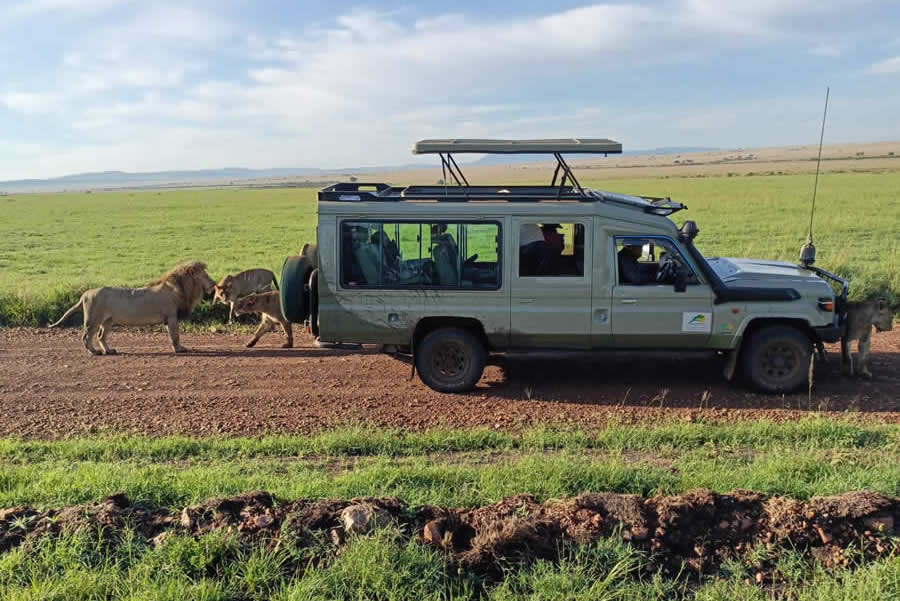
Your safari guide is no ordinary driver.
Many safari guides are knowledgeable about animals and their behaviors, as well as the region or reserve that they are visiting. They can help you to identify different species of animal in their habitat and know how to get closer or just stay where you are.
When your guide tells you to remain in your vehicle or to speak softly or to move away from a specific area, you should follow their instructions.
Wild animals are unpredictable, and your guide’s experience is there to keep you and the wildlife safe.
2. Never Get Out of the Safari Vehicle Without Permission
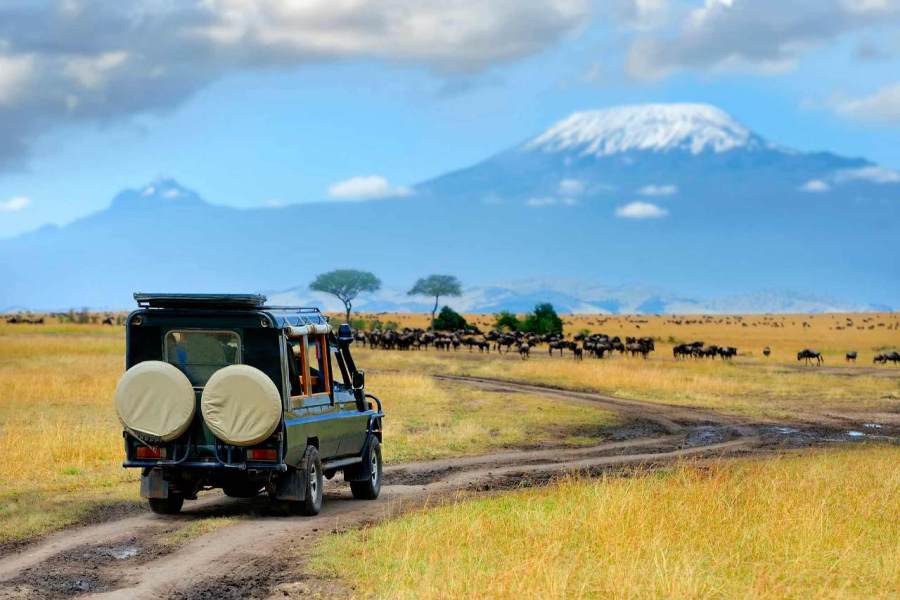
The rule of thumb while on safari is to stay inside the car unless instructed otherwise by your guide, who must indicate when it is safe to do so.
You might wish to come out to snap some good pictures or take a break when you spot wild animals, but you should resist this temptation.
Even a seemingly calm animal can act unpredictably if it senses danger.
Stay safe by waiting until reaching designated rest stops, camping grounds, or viewing areas where you can disembark the vehicle; nonetheless, it is vital to check with your guide first.
Bear in mind that the safari vehicle acts as a protective barrier between you and the wildlife.
4. Keep Your Voice Down Around Wildlife
The use of loud talking, singing, or playing music is not appropriate during a safari.
Animals are able to detect sound from much farther away than humans can. Loud noises can alert them to the presence of humans and make them move in their direction or cause them to change their behaviour.
When observing wildlife, it is important to talk quietly.
This is especially true when watching predators like lions, cheetahs and leopards. Noisy surroundings can disturb the animals engaged in resting, hunting, or taking care of their young ones.
Also, not making excess noise allows everyone in the safari vehicle to greatly enhance their experience.
4. Never Feed Wild Animals
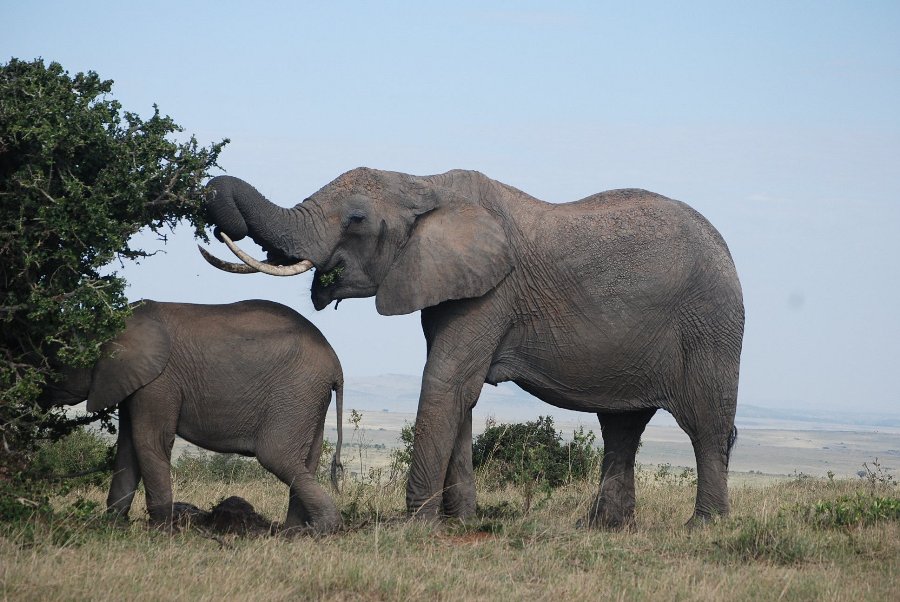
Although it may appear innocuous to offer animals food, particularly when they draw close to your car, it is nevertheless inadvisable.
Wild animals should continue to exhibit their natural feeding habits, as offering them food can lead to their dependence on conditions provided by human beings.
This can provoke danger and other problems.
Always refrain from feeding wildlife from a vehicle and avoid throwing food on the way.
5. Do Not Try to Attract Animals
Do not yell, summon wildlife, or utilize movements to get animals to focus on your camera.
You may see someone make sounds to draw birds to them or try to get the lion to lift its head for the camera. This is not acceptable behaviour while on safari.
Wildlife watching should be based on observation and not manipulation.
If an animal is looking away, just be patient, and it may turn around on its own.
6. Respect the Recommended Distance From Wildlife
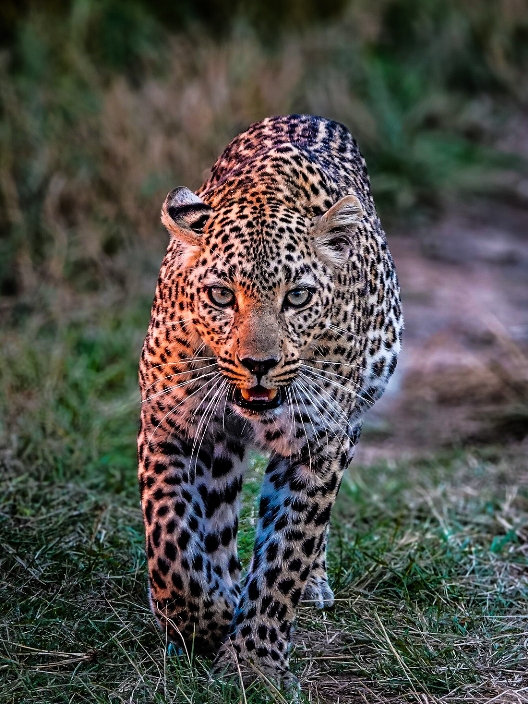
A major attraction of a Kenya safari is getting up close to wildlife; however, your proximity should not become a danger for you or the animals.
Your guide will determine how far the vehicle should get up close to wildlife based on the animal’s species, behaviour, terrain, and current conditions.
If there are several vehicles parked near the animal you are observing, do not ask your driver to bring you any nearer than necessary.
Leave enough space for the animals.
This becomes particularly important when the animals have young, are eating, or show signs of stress, nervousness, or agitation.
Keeping a respectful distance will allow you to observe the animals in their natural state without causing them unnecessary stress.
7. Never Encourage Your Driver to Chase Animals
At times, you may find yourself in a remarkable wildlife sighting that acts fast.
- A cheetah might break into a run.
- A leopard may vanish into dense vegetation.
- A lion might go for a stroll.
You might be tempted to ask your driver to follow the animal.
This is something you should avoid
Safaris are not about chasing animals just to help visitors take better photos.
Wildlife chasing can stress animals and change their behavior.
So, it is better if you trust your guide, who knows how to approach them again without a fuss.
8. Be Considerate of Other Safari Vehicles
You are probably not the only tourist in a well-known wildlife area in Kenya.
When wonderful animals are sighted, numerous safari vehicles get together.
Good safari etiquette implies sharing the experience.
Do not block the views of other vehicles unnecessarily, infringe on other vehicles’ positions, or create a lot of noise.
If your vehicle has witnessed the sighting for some time already, you can allow other people to see it.
Remember that every person came from far away to see the wildlife of Kenya.
9. Follow Park Rules and Stay on Designated Roads
The rules of national parks and reserves are meant for conservation of ecosystems.
Drive only on roads specified in the regulations.
Driving off-road can ruin vegetation, cause disturbances to habitats, and cause soil erosion.
Loss of vegetation in this manner.
Some rules apply in one park but not in others.
Although it is better if the guide has the necessary knowledge, visitors must be responsible for following the rules on their own.
The beautiful safari sights are beautiful because people abide by the rules.
10. Do Not Litter
Although it should be clear enough to everyone, it’s important to stress this point.
Do not drop waste on the ground, which includes animal-friendly bottles, containers, and food residue.
When taking rubbish on your safari, don’t discard it until you can dispose of it properly.
Even small bits of waste can endanger animals.
Animals may swallow them, or that kind of waste can damage nature.
An easy rule to follow is that if you brought waste with you to the park, you must take it back with you unless there is a proper place to dispose of it.
It’s a good idea to avoid the use of plastic and bring your own bottle for water.
11. Use Your Camera Respectfully
In many safari experiences, photography plays a significant role, but many basic rules should be kept in mind.
Avoid using flash when photographing wildlife unless specifically told it is acceptable by your guide. Flash can frighten especially close animals. Be careful not to move outside of the vehicle to take a picture.
Keep your camera safe and pay attention to the guide’s suggestions. And the most important thing is that the best pictures are not necessarily those taken at the closest distance.
Take photographs of the whole scene: the animal, the surroundings, the illumination, and everything happening around.
12. Dress Appropriately and Comfortably
Safari outfits must be practical.
Soft earth and neutral hues such as brown, khaki, olive, and beige are commonly endorsed since they are quite appropriate for outdoor settings.
More importantly, invest in breathable and layered clothes.
Mornings can be surprisingly chilly during game drives, with warmth coming later during the day.
A typical safari wardrobe may contain:
- Lightweight trousers
- Long-sleeve shirts
- T-shirts
- Comfortable footwear
- Fleece or sweater
- Lightweight jacket
- Hat
- Sunglasses
If your safari will involve walking, make sure to wear the right shoes.
13. Respect Local Communities and Cultures
Kenyan safaris take place in local areas, where different communities live in close relation to nature.
In most cases, safaris involve visiting local villages or projects, making it necessary to follow cultural etiquette rules.
It is important to interact respectfully with local people and minimize intrusion on their privacy.
If you are in a place where photography is allowed, be sure to ask for permission before taking pictures of locals, especially children.
14. Tip Your Safari Guide and Staff Appropriately
Tipping is a common practice in the tourism sector and calls for caution as well as common sense.
The safari guides, drivers, camp staff, porters, and hospitality services, among others, may be tipped by travelers.
Some hotels provide a communal tipping container and a recommended tipping system as opposed to providing tips individually to all (or most) of the staff.
Inquire with your safari operator or hotelier about how they would like tipping to be handled.
If your guide made your safari experience particularly memorable, you can tip them personally as a sign of your appreciation.
Remember that you do not need to tip unless you can afford it.
15. Remember That Wildlife Is Wild
The Ultimate Rule of Safari Etiquette is very informative in a way. It can be expressed in simple words:
Always remember that you are in the animals’ natural habitat.
A lion lying next to the road may seem unruffled.
An elephant may not be scared of all the cars surrounding him.
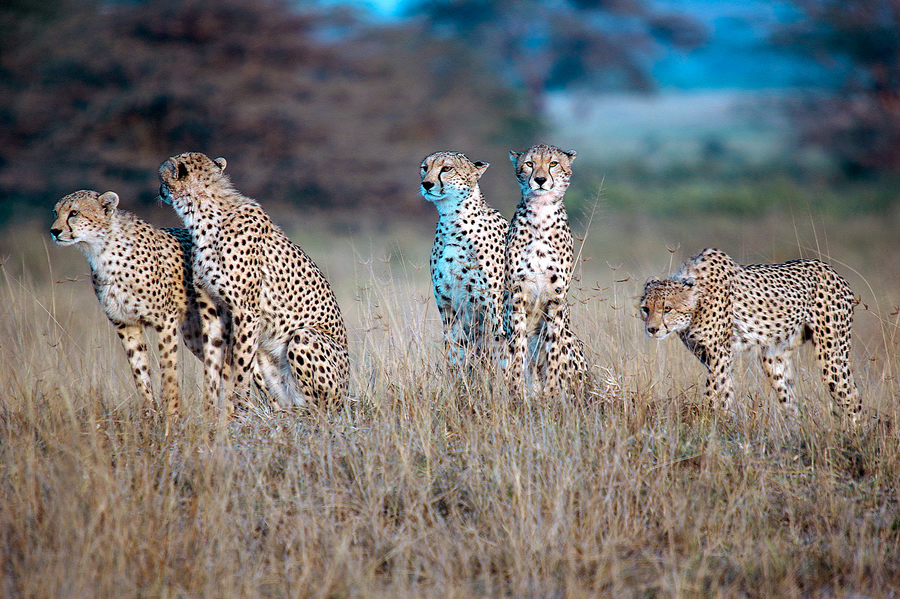
And a cheetah may look quite relaxed.
But it is important to remember that these are wild animals and not pets.
Do not try to touch, call, or feed them, or change their natural behaviour.
Do not assume that the animal is harmless just because you’ve seen some pictures with tourists nearby.
Wildlife requires space and respect.
The best safari experiences are gained by observing the wildlife from a distance.
Final Thoughts
A safari in Kenya is your opportunity to visit some of the rarest wildlife habitats in the world.
With places like the Maasai Mara’s open grasslands, Amboseli’s elephants, and Tsavo’s huge wilderness areas, each area has its unique experiences to offer.
However, the best safari trips involve certain responsibilities.
Listen to your guide and stay in the vehicle when necessary. Keep your voice low. Never feed or chase any wildlife. Treat the other tourists, locals, and environment with respect. And don’t forget that you are a visitor in a wild ecosystem.
If you learn these simple rules, you will contribute to making the experience safe and enjoyable for yourself and the other tourists as well as wildlife.