
10 Tips for First-Timers Visiting Kenya for a Safari Adventure
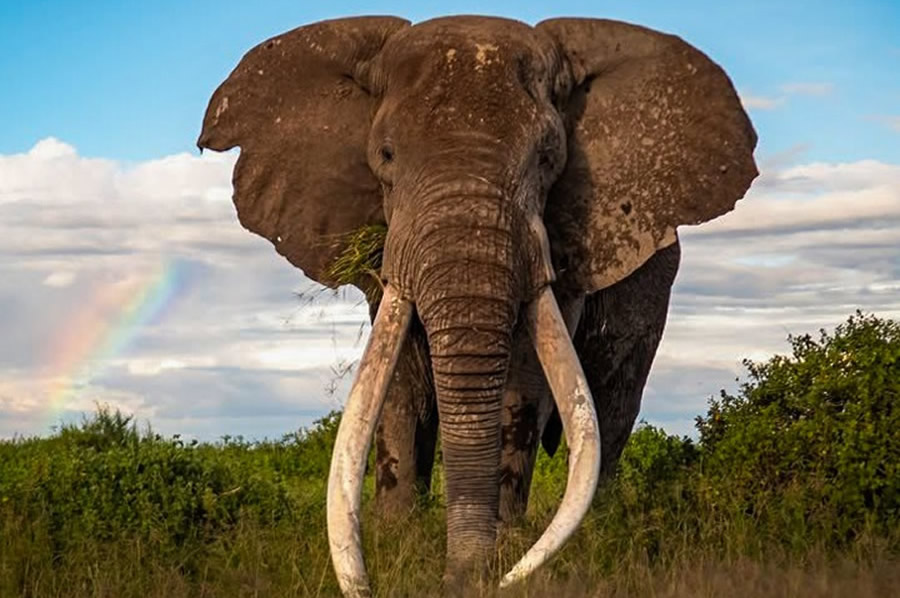
Kenya is among the top places to go on a safari in the world. The Maasai Mara, Amboseli (with all the Elephants), and Kenya’s beautiful beaches along the Indian Ocean offer visitors unforgettable travel experiences.
However, many people who go on a safari for the first time have many questions regarding the best time to travel, what to take on their trip, what parts of Kenya to visit, and what they should prepare for.
The good news is that Kenya is a very tourist-friendly country and offers safari opportunities for every type of traveler. If you plan well, your first visit can be one of the most memorable experiences of your life.
There are 10 ideas that will assist travelers in having a successful and exciting trip.
1. Choose the Right Safari Destination
One major error for new travelers is a short amount of time seeing too many areas.
Kenya has so many unique parks/reserves, and every place is a unique experience.
Here are the most popular safari parks to visit:
- Maasai Mara National Reserve – Great wildebeest migration/big five animals.
- Amboseli National Park – Many elephants/view of Mount Kilimanjaro.
- Tsavo East National Park & Tsavo West National Park – A large amount of wilderness & the red elephants.
- Samburu National Reserve – Some species are only found in the northern part of Kenya.
- Lake Nakuru National Park – Great for seeing rhinos and bird life.
If you are going on a safari for the first time, it is better to concentrate on two or three areas rather than trying to visit as many areas as fast as possible.
2. Travel During the Right Season
Kenya can be traveled to at all times of the year, but the time of year can affect your experience while on safari.
The best months for most animal sightings are the dry (dusty) months:
- June to October
- January through February
In these months, you will find:
- Animals will group towards a water hole.
- Vegetation growth will be very short.
- Roadways will be accessible.
If you are hoping to see the Great Migration of the Wildebeest in the Maasai Mara, you should plan to travel from July to October.
The green months from March to May can be less crowded and offer lush vegetation, but you may also experience heavy rainfalls.

3. Pack Light but Smart
Ensure your safari trip is as enjoyable as possible by ensuring you pack appropriately.
Some essential items you may consider packing can include:
- Lightweight clothes (preferably neutral coloured)
- A warm jacket (for cooler morning/ evening temperatures)
- Comfortable walking shoes or sandals
- Sunscreen & sun protection glasses
- Binoculars (for viewing animals)
- Camera with additional batteries
- Hat, insect repellent, and sunscreen
Avoid bright colours when packing because they may attract insects and distress wildlife.
Use soft-sided luggage if you will be using domestic safari flights, as this is preferred by most airlines.
4. Understand That Safaris Require Patience
A lot of people who go on their first safari expect to see animals constantly, but this is not how it’s going to be. You are also going to be travelling in the wild, and animals do not always follow your schedule. Leopards, rhinos, and other animals will not always be easy to find.
Be patient. Sometimes your best sighting will be completely random after much time spent searching for an animal.
Trust your guide and take the full experience of the safari by experiencing the beautiful scenery, various birds, and all of the quiet moments in nature.
5. Wake Up Early for Game Drives
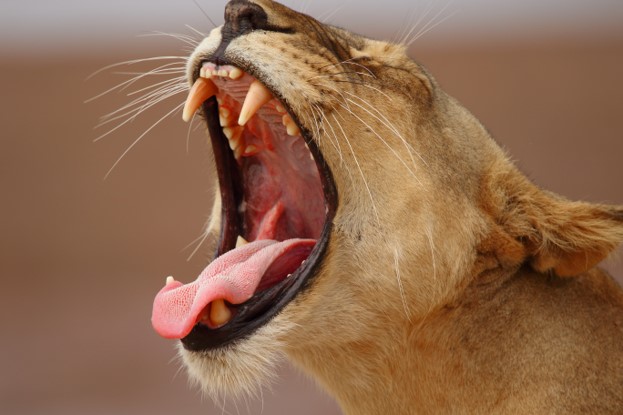
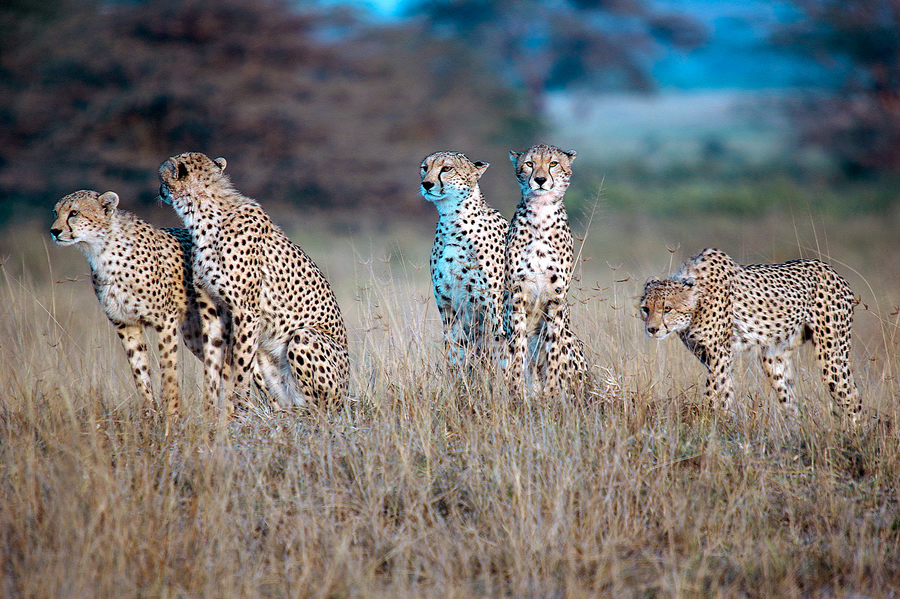
Typical safari start times are generally in the early hours of the morning. Although it can be hard to get out of bed before the sun rises, it is often a great time to observe animals. While most animals can be observed at all times, they tend to be more active during the cooler parts of the day, particularly our large carnivores (i.e., lions and cheetahs), who are typically active around this time, hunting.
Another advantage of early morning safari tours is that they provide you with some fantastic photographic opportunities because of the light.
6. Choose the Right Safari Vehicle
The kind of vehicle you ride in will have an effect on your comfort and experience while on safari.
In Kenya, the most commonly used types of vehicles for safaris are
- Safari vans with pop-up roofs
- 4×4 Land Cruisers
In general, Land Cruisers are a better option for long game drives and rougher road conditions.
Where roads are in very bad condition, as in many parks during the rainy season, 4×4 vehicles are strongly suggested.
7. Respect Wildlife and Follow Park Rules
You can never predict what wild animals will do; therefore, your safety is the most important priority in any safari activity.
Game Drives:
- Remain inside the safari vehicle unless directed that you may exit your vehicle.
- Keep your voice low to maintain the safari experience for all guests.
- Do not feed wild animals.
- Follow all the guides’ instructions carefully.
By respecting nature and all animals, you are protecting your own personal experience and providing a better safari experience for all guests.
8. Carry Cash for Small Expenses
Most camp sites and lodges will take credit, but having some cash with you can be helpful.
Cash may be needed for:
- Tipping guides and staff
- Buying souvenirs and crafts
- Purchasing items locally
- Visiting a Maasai village
You will find that Kenyan shillings are accepted the most; however, in tourist areas, you can also use US dollars.

9. Consider Combining Safari with Beach Holiday
Kenya’s main benefit is the ease with which we can combine our time on safari with time at the beach. Following a few days in the bush, many tourists will carry on to the coast for a little downtime. Several popular beaches provide both types of experiences, including:
- Diani Beach
- Watamu
- Malindi
- Mombasa
This arrangement allows us to experience the best of both worlds – adventure and relaxation!
10. Book with a Reliable Safari Operator
An excellent safari company can significantly impact your total enjoyment of the experience.
Before booking:
- Read all reviews
- Compare various itineraries
- Confirm what is included in the costs
- Ask about the type of vehicle used and the types of accommodations provided.
The best safari companies have years of experience in wildlife movement, park logistics, and providing quality customer service, which ensures that the safari excursion runs smoothly.
It is also essential to book early, especially if travelling during migration season.

Bonus Tip: Keep an Open Mind
Every safari is different.
Daily changes in weather, animals migrating, etc., give each day’s drive varying potential for seeing something special or not…
Whether your game drive is ‘on fire’ with fantastic sightings or you only see a few animals, take time to experience the whole safari experience:
- Wide open Spaces
- Spectacular Sunsets
- Incredible Bird Life
- Local Culture
- The Tranquility of Nature
Often, these experiences will be what you remember most from your trip.
What First-Time Travelers Usually Love Most About Kenya
People who travel to Kenya may not realize:
- The proximity of wildlife
- The breathtaking scenery
- The friendly hospitality of the Kenyan people
- The vast number of experiences offered
- The peacefulness found in nature
Kenyan tourism is not only based on its wildlife, but also includes the creation of emotional experiences and memories to last a lifetime.
Final Thoughts
There’s no better way to see wildlife than by going on a safari in Kenya; the opportunity to appreciate large animals in their natural habitat is an experience like no other.
In addition to seeing wildlife in Africa, you will have the chance to enjoy stunning places like the Maasai Mara plains, the lush landscapes of Amboseli National Park with its herds of elephants, and the stunning beaches along the coastline of the Indian Ocean.
Finding ways to make your trip happen on time by carefully planning is the best way for first-time travellers to have a great experience.
Some important tips for making sure that your trip is a success include ensuring that you go during one of the best months to see the game (i.e., January-March) and using appropriate clothing for the type of weather.
Most importantly, slow down and appreciate the beautiful landscape and wildlife in and around Kenya so that you can fully appreciate it and enjoy it. Once you have finished your first safari in Kenya, you may find that it won’t be your only safari!