
Kenya’s Cultural Experiences: 12 Authentic Ways to Connect with Local Communities
Kenya offers spectacular wildlife safaris, stunning beaches, and breathtaking landscapes. Visitors can also discover its incredibly rich and diverse culture. Beyond the Maasai Mara’s vast plains and Diani Beach’s white sands, Kenya’s rich cultural heritage should draw visitors to this amazing country.
Kenya is home to over 40 different ethnic communities, each of which is characterized by its own customs, languages, foods, music, craftsmanship, and traditions. As a result, visitors can learn about the Maasai’s pastoral way of life and experience Swahili culture along the coast.
One of the greatest advantages of cultural tourism is that it offers opportunities to interact with local communities directly, meaning that it is essential to work with local artisans, guides, farmers, and community-led initiatives.
1. Learn About Maasai Culture and Traditions
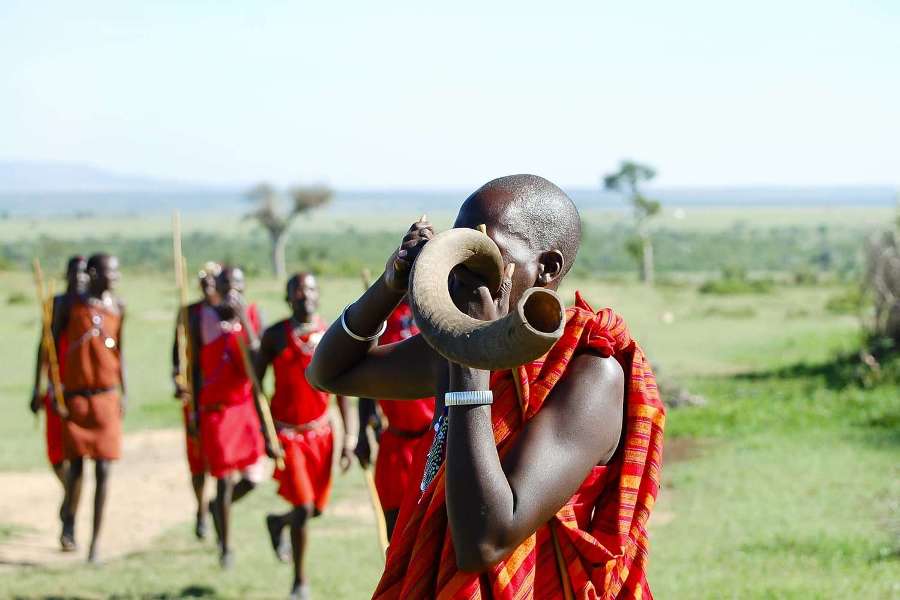
Kenya’s most well-known ethnic group, the Maasai, are recognised for their vibrant clothing, beadwork, pastoral lifestyle, and ceremonies. One can get a good understanding of how traditions affect everyday life by visiting a community through an organised cultural programme at a place of interest.
Depending on the programme and local tradition, one may learn about livestock management, traditional dwellings, beadwork, food and the way pastoralism connects with the local environment.
Some experiences include performing various traditional songs and dances, while others involve discussing education, conservation and changes in family life.
2. Discover Swahili Heritage Along the Kenyan Coast
The culture of the coastal region of Kenya has a unique identity formed due to years of interaction between the local tribes and outsiders.
The Swahili culture is characterised by African influences and has been shaped over the years by other groups like the Arabs, Persians, and other traders.
The culture can be accessed via guided walking tours, which explore the history of the region, as well as through visits to original sites and heritage sites closely associated with the culture.
Explore Lamu Old Town
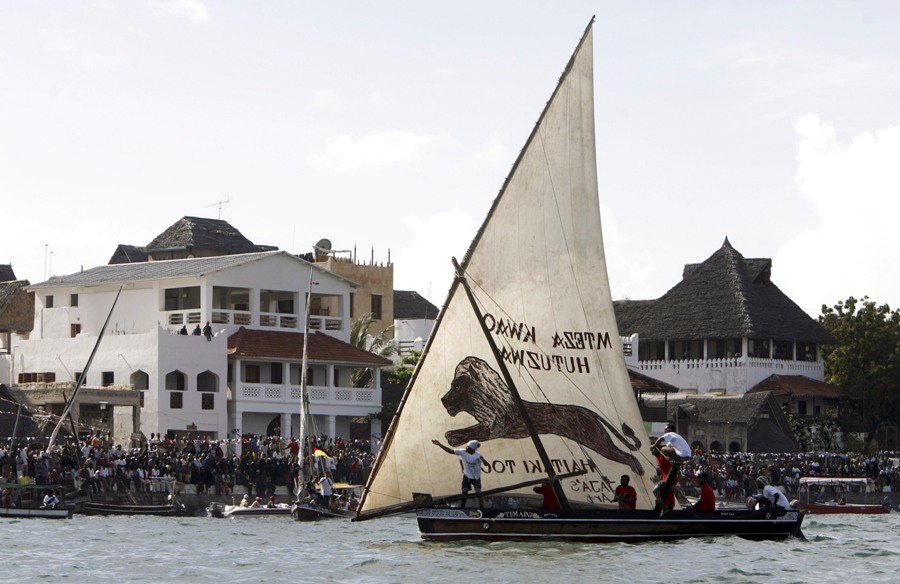
Lamu Old Town is regarded as one of the most rewarding places to explore Swahili heritage.
With its narrow streets, wooden carved doors, coral stone buildings, and traditional architecture, Lamu Old Town displays centuries of coastal history.
A knowledgeable local guide can help visitors understand the meaning of old buildings, traditional homes, and the town’s trading ties.
People should dress properly when visiting the town, especially when walking in residential areas and religious sites.
Swahili heritage can also be explored in Old Town Mombasa, where the streets and buildings show the history of trade, migration, and cultural exchange.
Best for: tourists who love history, architecture and discovering new cuisines, as well as those who want to learn more about Kenya’s coastal identity.
3. Participate in Traditional Cooking Experiences
Culinary exploration is one of the best means of immersing oneself in the culture of a locality.
Food in Kenya is highly diverse due to differences in location, from spices to farming methods to the history of the nation and family customs.
The cooking experience is arranged locally, enabling you to learn how certain foodstuffs are turned into a final product.
Depending on the host and chosen place, you can try other foods such as ugali, sukuma wiki, chapati, coastal dishes that include seafood, and speciality dishes.
Best for: Food enthusiasts, families, couples, and travellers interested in everyday Kenyan life.
4. Visit Local Markets and Artisan Workshops
Markets grant the chance to discover local life through their goods.
Markets in Kenya sell fresh fruits and vegetables, spices, baskets, fabrics, jewellery, household items, and handicrafts.
Guided tours tell you about the significance of markets in local economies.
Meet Local Artisans
Visit workshops where local craftspeople make jewellery, baskets, carvings from wood, leather goods, and fabrics.
Some experiences allow visitors to watch artisans working and have conversations with them.
Buying something directly from its creator is more rewarding from the perspective of souvenirs as well as from the economic point of view.
Not all of the goods sold in tourist markets are locally produced. Make sure that you ask about the origin of the goods that you buy, and do your best to purchase ethically produced goods.
Photography is permitted only after getting the permission of the sellers.
Best for: shoppers and those interested in the culture of the region and its crafts.
5. Experience Traditional Music and Dance
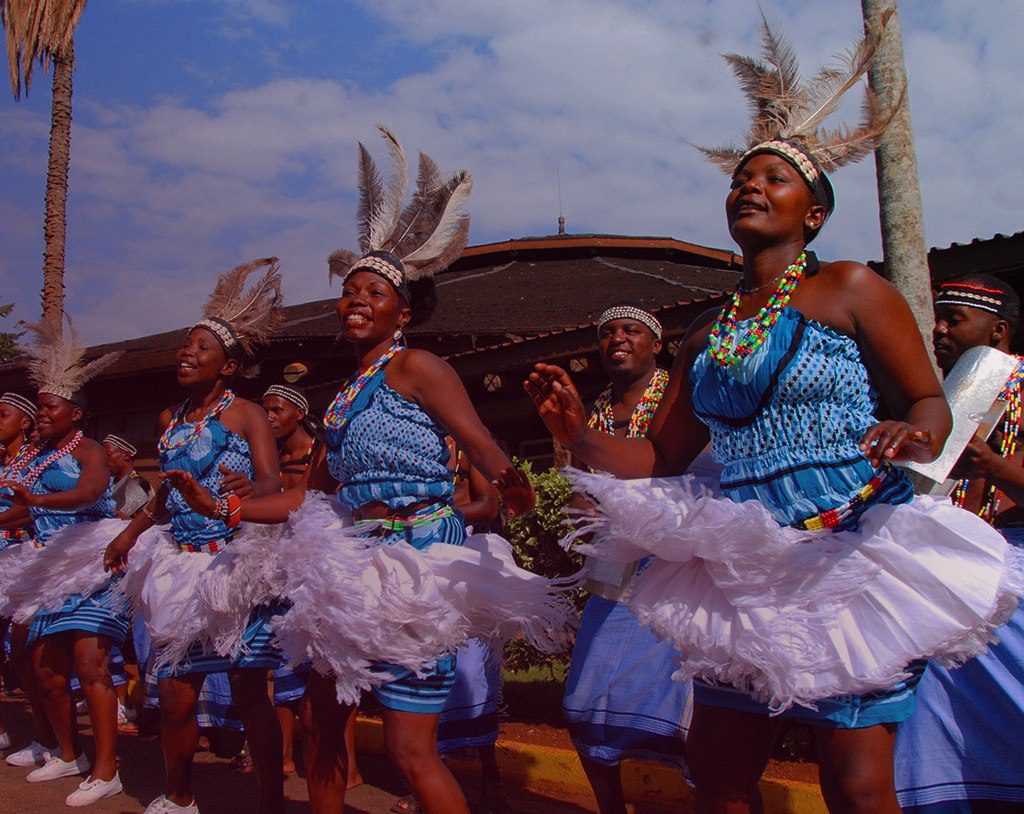
Across Kenya, music and dance are vital cultural expressions.
Different cultures have their unique musical themes that are related to festivals, stories, rituals, social meetings, and other aspects of community life.
One can see traditional performances in cultural centres and events, festivals, or special tourist arrangements.
Another thing to remember is to take advantage of the coastal area, where it is possible to get acquainted with Qur’an singing in Swahili that merges local music with the Indian Ocean region.
In the rest of Kenya, local community celebrations are accompanied by songs and dances of this music type.
6. Learn About the Samburu Community
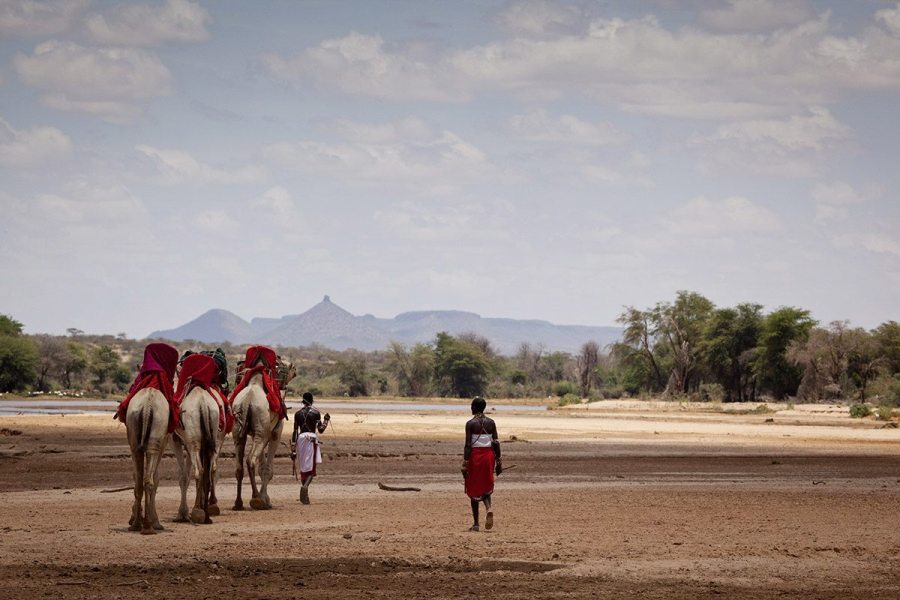
The Samburu people, although they mainly reside in northern Kenya, have adapted to the climatic conditions and the vegetation in the region and to the animal life surrounding them.
The culture of the Samburu is similar to the Maasai culture in many aspects, both culturally and linguistically, but Samburu people retain their unique customs and social life.
Cultural itineraries include interesting activities such as livestock keeping, beadwork, clothing making, ways of bringing up children, and transformation of the community due to environmental changes.
7. Explore Kenya’s Rural Farming Communities
Agriculture is a primary source of income for many Kenyans, so visiting rural areas can help reveal the concept of food systems in the lives of Kenyans.
A visit to rural regions might expose visitors to tea plantations, coffee-growing areas, dairy farms, the cultivation of vegetables, or mixed farming.
Some farms provide guided farm visits and show people the process of sowing seeds, harvesting crops, cooking, or processing raw products from farms.
Best for: Families, agricultural enthusiasts, food travellers, and visitors interested in rural livelihoods.
8. Discover Traditional Crafts and Beadwork
Handmade items can tell stories other than their physical form. From one region of Kenya to another, skilled craftspeople create pieces through traditional practices passed from one generation to another.
Take Maasai beadwork, which uses a rainbow of different colours in its designs. Different colours and patterns can have different meanings based on which materials are being crafted and by whom.
Coastal craftspeople are also able to create textiles and other crafts with natural materials available in their areas.

Best for: Creative travellers, families with older children, and anyone interested in traditional craftsmanship.
9. Visit Cultural and Historical Sites in Nairobi
Kenya’s capital city has plenty of options when it comes to experiencing culture.
The National Museums of Kenya is certainly a great place to start, as it can unveil the country’s culture, history, architecture, art, and nature.
By visiting the museums, one can learn lots of things about archaeology, traditions, history, and various ethnicities of Kenya.
The city offers many art galleries, culture centres, old zones, and walking tours.
Explore Nairobi Beyond the Usual Attractions
A cultural tour can be done by visiting local markets, workshops, cafes, and places of historical significance.
An experienced tour guide will introduce you to the concepts of migration, urbanisation, commerce, and modern lifestyle.
If you stay in Nairobi for one day only, do not miss the chance to combine museum and local food visits to get an idea about cultural diversity in Kenya.
10. Learn About the Turkana Community and Northern Kenya
Northern Kenya comprises unique geographical formations and practices, distinct from those present in other regions of the country.
The Turkana people are primarily found in the northwestern part of Kenya, around Lake Turkana.
Traditional livelihoods are shaped by the region being arid, and pastoralism is commonly practised in many households.
People who visit this region can discover the locality’s crafts, heritage, livelihoods, and how the region’s residents adapt to natural calamities.
11. Take Part in Community Conservation Experiences
In many countries, Kenya’s flora and fauna, as well as its heritage, can be observed.
If implemented properly, community conservation programs can contribute to the protection of wildlife corridors, as well as effective ecosystem management and earning possibilities for local populations.
Depending on the area and strategy implemented, tourists can learn about various issues related to conservation activities, including wildlife monitoring, restoration, and eco-tourism.
Some eco-reserves enable visitors to learn how tourism revenue is distributed among conservation projects and local development projects.
Why Community Conservation Matters
Wildlife travels across different areas, including residential lands and reserves, in search of food, water, and appropriate habitat.
In this respect, effective conservation is possible only if local people, landowners, governmental agencies, and conservation organisations work together.
Tourists can help protect nature by using responsible operators and observing regulations on wildlife observation.
It is not enough to be invited for such a tour; you need to know how environmental activities are employed in the specific area.
Target Audience: Ecologists and tourists interested in eco-tourism.
12. Attend Local Festivals and Community Events
Festivals and community gatherings provide a chance to engage with music, food, arts, and other culture-related activities in a social atmosphere.
Depending on the nature of the event, one might encounter traditional music or contemporary music, exhibitions, storytelling, regional delicacies, and other local products.
The cultural calendar in Kenya varies from region to region, and some celebrations are meant for the local community instead of targeting tourists.
Before travelling, it’s important to confirm when the events take place and if tourists are welcome to join.
How to Experience Kenyan Culture Respectfully
Cultural tourism can only be rewarding if visitors approach communities with an open mind and respect.
All these principles should be observed:
- Ask permission before taking pictures. Not everybody is keen on being photographed, especially in private or religious places.
- Dress appropriately. Make sure to follow the local culture, especially if you plan to visit sites of worship or conservative communities.
- Use local guides for the journey. They know the cultural context and help you pay your respects in a respectful way.
- Support local businesses. Purchase handicrafts from artisans in their shops and pick out local tours.
- Do not form any stereotypes. There are many communities in Kenya, and every community has its traditions.
- Respect people’s privacy. A cultural visit does not allow for visiting private homes or taking pictures of ceremonies.
- Politely ask questions. People might be willing to tell you their stories, but sensitive issues should be avoided.
Final Thoughts:
Kenya has plenty to offer apart from wildlife adventures and beach vacations. Its cultural richness enables visitors to discover the world of cultures, unearth a long history, enjoy local dishes, and meet those who contribute to shaping the nation.
Travellers can connect with Maasai culture, learn more about Swahili traditions in Lamu, explore Samburu life, visit exhibitions of local craftsmen, and take part in community conservation projects.
Rarely can we encounter experiences that are not necessarily the most sophisticated. A conversation with a local guide, a meal arranged by a resident, or a visit to a workshop can become a cherished memory.
Try to include at least one locally held cultural event in your travel itinerary. Make sure the companies you choose follow all community traditions, adequately pay all the participants, and provide visitors with a real chance to communicate with community members.
The best way to understand Kenya is not only to explore the Kenyan landscape, but also to listen to the stories told by the locals who inhabit this landscape.