
Kenya–Tanzania Safari: How to Plan the Perfect East African Adventure
Taking a safari in both Kenya and Tanzania is one of the most rewarding ways to see East Africa. Travelling between these neighbouring countries gives visitors the chance to take in vast savannahs, admire wildlife, enjoy varied landscapes, and visit some of Africa’s most famous national parks.
Just imagine seeing elephants walking around Mount Kilimanjaro in Amboseli National Park; noticing lions hunting in the Maasai Mara; travelling across the famous Serengeti plains, and exploring the incredible Ngorongoro Crater.
However, planning a Kenya–Tanzania safari requires more than simply picking attractive destinations. Travellers must also weigh the best time to travel, the route between parks and camps, accommodation, transportation, border formalities, and total cost.
This article gives guidance on everything necessary for planning the perfect Kenya–Tanzania safari, such as where to go, possible itineraries, features when planning the journey, and tips for enjoying the fun of visiting East Africa.
1. Why Combine Kenya and Tanzania on One Safari?
Kenya and Tanzania share a vast ecosystem that is home to amazing wildlife. Even though the two nations offer different travel experiences, combining the two allows you to visit the habitat and conservation areas that are found in both countries.
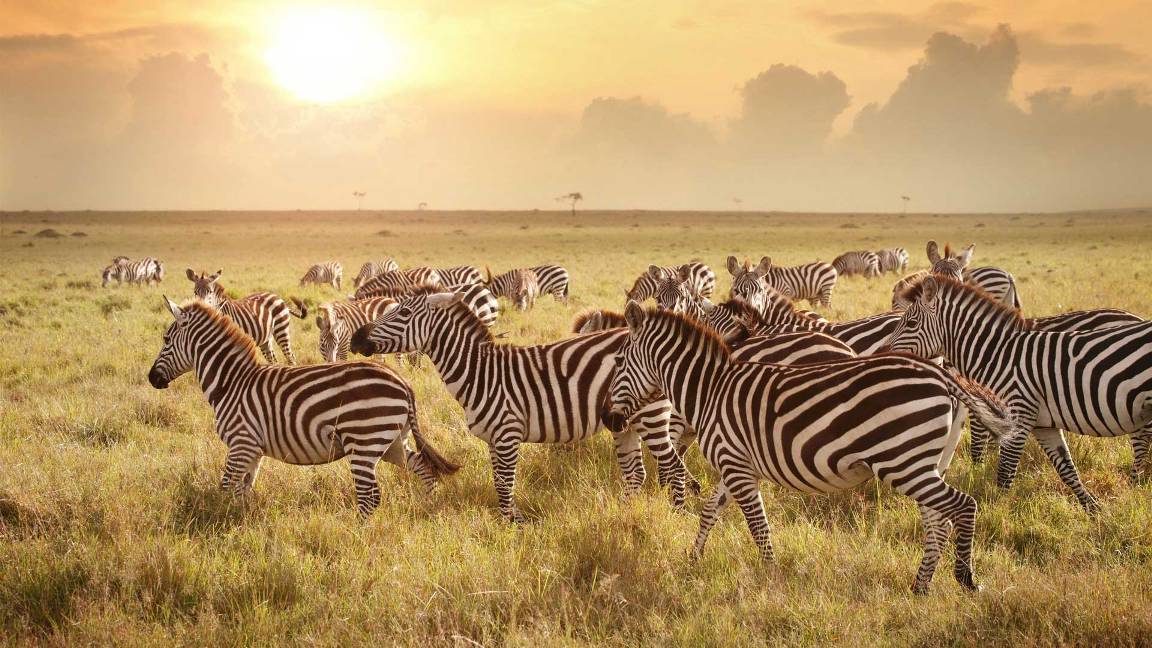
One of the main highlights in the tourist season is the Great Wildebeest Migration, where millions of wildebeests follow the migration route accompanied by zebras and other grazers.
Besides the Great Migration, both countries offer unique opportunities to view lions, elephants, leopards, buffalo, giraffes, cheetahs, and a wide range of bird species.
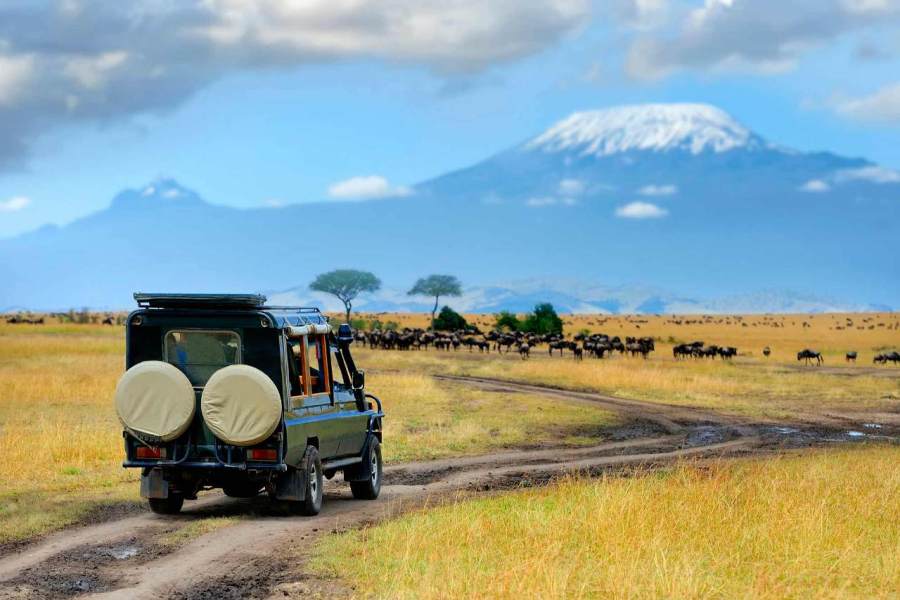
The combination of the countries provides tourists with several advantages.
Biodiversity: The ecosystem is diverse, and with this combination, tourists will be able to experience a greater diversity of wildlife.
Scenic Landscapes: Tourists will be able to experience different geographical phenomena like volcanic highlands, open grasslands, woodlands, crater hills, and mountain views.
Migration opportunity: Tourists will be able to travel with the wildebeests.
Flexibility: Tourists will be able to choose between a variety of safari options.
The itinerary should ensure that viewing of wildlife will be balanced with the required time for traveling.
2. Best National Parks to Visit in Kenya
Kenya has a number of great safari locations that can be combined with those of East Africa.
Maasai Mara National Reserve
The Maasai Mara National Reserve is one of the most recognized conservation areas in Africa.
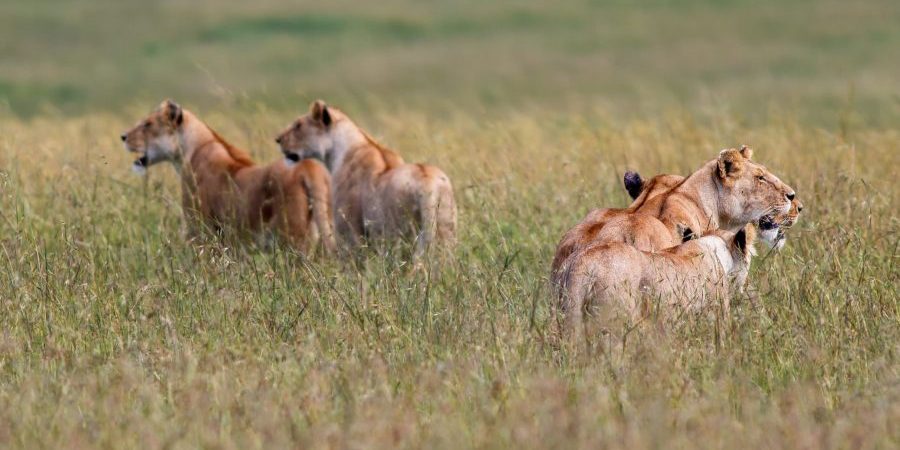
It consists of wide grass plains that are habitat for lions, leopards, cheetahs, elephants, buffaloes, and many types of antelopes. It is well known for the exceptional migratory events of the great wildebeest that cross the borders from Tanzania.
Migration viewing happens during the months of July to October, but its actual timing will depend on rainfall and animal movements.
Even outside of the migration season, tourists can enjoy good wildlife experiences, such as predators hunting and mammals feeding.
In the ideal case, spend at least 2-3 nights in the reserve.
Amboseli National Park
Amboseli National Park is well-known for its large elephant populations and vistas of Mount Kilimanjaro. The park’s flat grassland and marshy wetlands create different types of habitats for the animals. Although elephants are the main highlight, other animals like lions, buffalo, zebras, giraffes, and many birds may also be spotted by tourists.
Amboseli is an ideal place for anyone willing to visit Kenya and Tanzania, as it shows a different ecosystem compared to Maasai Mara.
Travellers should remember that Mount Kilimanjaro is usually covered in clouds, so the weather may prevent them from seeing it.
Lake Nakuru National Park: Kenya’s Alternative to Lake Manyara
If you would like to start your trip in Kenya and visit another national park before entering Tanzania, you should visit Lake Nakuru National Park during your safari.
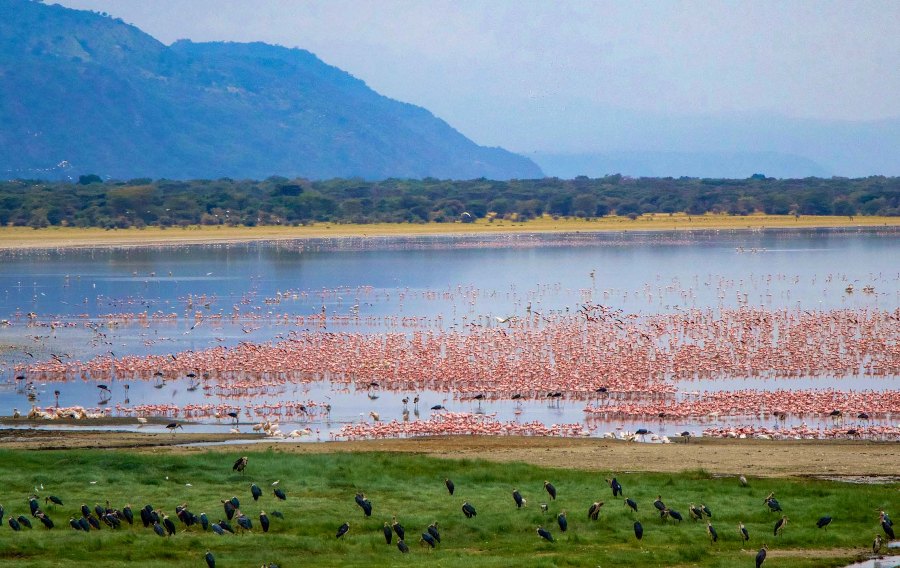
The park is famous for its bird species and an outstanding lakeine zone and conservation zones for rhinos. Visitors may also encounter giraffes, buffalo, zebras, and many other animals.
Visiting Lake Nakuru National Park can be a great addition to your itinerary but might prolong your journey a bit, so calculate how much time you have for your trip.
3. Best National Parks to Visit in Tanzania
Within Tanzania, one can encounter unique experiences on safari, whether across the plains of the Serengeti or on the volcanic plains of Ngorongoro.
Serengeti National Park
It is the Serengeti National Park that forms the centre of most safaris in Tanzania. The vast lands of the area, hilly landscape, and river networks provide habitats for abundant wildlife. The national park is known for lions, cheetahs, leopards, and herds of wildebeest and zebras.
Serengeti is also important for the Great Migration of wildebeest, since it’s a habitat for these animals during different periods of time.
The migration occurs as a continuous cycle rather than one event occurring at a certain time of the year. In January and February, calving occurs in the southern Serengeti, with the herds gradually moving to other parts of the ecosystem.
Accommodation should be chosen based on the type of wildlife experience that one wants to have.
Ngorongoro Conservation Area
The Ngorongoro Conservation Area includes the Ngorongoro Crater, one of the largest volcanic calderas that provide habitat to a variety of wildlife.
The crater contains different landforms, including grasslands, wetlands, woodland, and rivers that attract animals.
In this place, visitors can see animals such as lions, elephants, buffaloes, zebras, wildebeest, and others. People can see black rhinos, though they are quite rare.
A trip to this crater is one of the most important steps in the expedition to northern Tanzania.
Make sure you plan the trip well, as there are rules applied to travelling in and down the crater and to the conservation area.
Tarangire National Park
Tarangire National Park is famous for its large population of elephants, unique baobab trees, and seasonal wildlife movements.
During dry times, animals often gather near the Tarangire River, allowing tourists to observe them.
It is possible to see lions, leopards, giraffes, zebras, and many birds in Tarangire.
Tarangire is an option for travellers who want to visit more than just the Serengeti and the Ngorongoro sites.

4. When Is the Best Time for a Kenya–Tanzania Safari?
The appropriate timing corresponds to your preferences; if you want to observe a migration, capture animals on camera, avoid downpours, or watch your finances.
The months of January to March represent the calving season.
This is an interesting period for tourists. It is during these months that the wildebeests give birth in the southern Serengeti, and thousands of young calves appear in a short time, hence attracting predators such as lions, cheetahs, or hyenas.
The conditions may differ every year, but this time can be very profitable for observing relationships between predators and prey and young animals.
The months of April and May represent the green season
During which the month includes the long-rains phase observed in some regions of East Africa.
During this period, flora becomes greener because rains are followed by humid weather and beautiful skies, which is excellent for photography.
Some hotels can offer special prices for accommodation. However, bad weather can affect road conditions and make it harder to see wildlife in areas with high grass. Travellers choosing this period should plan with an operator familiar with seasonal conditions.
June to October: Dry Season and Migration Viewing
The above time frame is the most favourable for safaris due to the dry conditions prevailing in the regions.
The migration herd occurs at different times, either in connection with the western corridor or the northern Serengeti in Tanzania. Nevertheless, in Kenya, large herds might be present within Maasai Mara.
The river crossing is an uncertain event. It could depend on the movement of herds, river conditions, and other environmental factors, so a fixed itinerary cannot guarantee the crossing everywhere during the trip.
The period from July to October might be very busy in the safari spots, and it is advisable to book accommodation & transportation well in advance.
November to December: Short Rains and Change of Herd Movements
The short rains period might make the regions change their shape, while migrations continue taking place.
For some people, this period may be more attractive due to the scenic experience and accommodation offers.
5. Understand Cross-Border Safari Logistics
Transport logistics are one of the most crucial aspects of organizing a vacation in Kenya or Tanzania.
Though the two countries border each other, getting from one to the other is not always straightforward.
Border Crossings
Travellers need to go through regulated border crossings and complete the necessary immigration processes.
What route you take changes based on your itinerary. There are some paths that connect departures from the Masai Mara area to flights from Tanzania’s Serengeti ecosystem; while other journeys might require alternative routes or use of air transport.
Check with your travel agent regarding any specifics of border crossing before proceeding with booking a flight.
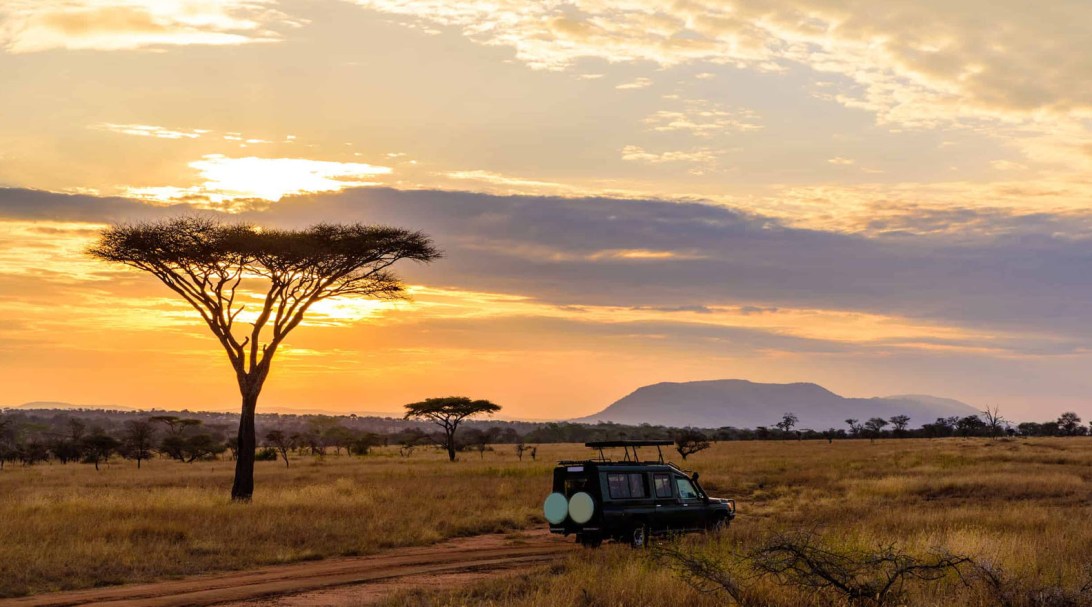
Safari Vehicles
Vehicles permitted in one country might not be permitted entry into protected territories of the other country.
Due to this, there are cases when travellers have to switch vehicles or guides at a specific spot, so ask your agent whether the cost covers these aspects.
Flights
Scheduled or chartered flights turn long distances into a short trip, especially when flights connect far-apart locations.
However, flying does affect the price of your trip, so always weigh flight expenses against possible savings of time.
6. Budgeting for Your Combined Safari
A safari in Kenya and Tanzania can be either a cost-effective group safari or a private safari with an expensive arrangement.
The cost is influenced by various factors:
- The number of travellers
- Travel period and time of year
- Quality of accommodation
- Type of transportation – private or public
- Fees for parks and conservation areas
- Number of game drives
- Transfer from one country to another
- Cost of domestic air flights if required
- Food provided or any other service included
Using a private vehicle is more economical when sharing the cost with fellow travellers. Similarly, joining a group safari may provide you with better rates if such options are available.
Before getting quotes, check the details about what each package includes, as a cheaper deal may exclude necessary park fees, transfers, entertainment activities, or accommodation.
Ask for a written itinerary with a list of included and excluded services.
7. Entry Requirements and Travel Documents
Check the entry requirements for both Kenya and Tanzania before travelling.
Be sure that your passport meets the validity requirements for each country. Check whether or not you require an electronic travel authorisation, visa, or other entry requirements based on your nationality and travel plans.
Any traveller visiting Kenya must visit the official website for Kenya Electronic Travel Authorisation.
For Tanzania, you can visit the official website of the Tanzania Immigration Department to find the most up-to-date travel requirements.
Keep in mind that getting permission to enter one country does not mean that you are granted entry to the other country automatically.
Check the yellow fever requirement based on your itinerary and past travels. Bring the necessary vaccination proofs and check the travel health advice before leaving.
There is a strong recommendation for travel insurance where necessary, especially when travelling to the remote safari locations or through numerous flights.
8. What Should You Pack?
Packing for a safari in Kenya and Tanzania is simplified if you think about what weather or activities you are likely to have.
Important things to take include;
- Light and breathable clothes.
- Clothes in neutral colours for game viewing.
- A warm layer for cooler mornings and evenings.
- Comfortable shoes for walking.
- Hat and sunglasses.
- Sunscreen and insect repellent.
- Binoculars and a camera.
- Medical supplies.
- Your passport, travel permits, and confirmation of bookings.
- Insurance details.
If you are using small planes, you should also check the luggage limitations. In some cases, you will have to use a soft bag, and limitations may be stricter than the policies used by international airlines.
Final Thoughts:
A trip to Kenya and Tanzania for a safari comes in handy as it provides people with a chance of experiencing two of the best wildlife destinations in one trip. The Maasai Mara and Amboseli attractions of Kenya are known for their great wildlife as well as breathtaking scenery, while the Serengeti, Ngorongoro Crater, and Tarangire of Tanzania have unique wildlife habitats.
The secret of having a satisfying safari lies in identifying the best combination of attractions to visit while at the same time being able to allocate enough time to experience wildlife in camps. Whether it is the great migration of wildebeests that you wish to witness, taking photos of elephants underneath Mount Kilimanjaro, seeing the predators in the Serengeti, or discovering the Ngorongoro Crater, having an excellent itinerary is extremely important.
In order to do this, one should come up with the exact dates, budgetary allocations, as well as the sites to visit. It is then advisable to do business with an experienced tour expert in order to come up with a suitable route for visiting various places in the two countries.