
Explore Shaba National Reserve in Kenya: Detailed Traveler Guide
Within Kenya, there are numerous popular parks, such as the Maasai Mara, Amboseli, and Tsavo. In addition to these renowned parks, the northern frontier of Kenya holds a special treasure in the Shaba National Reserve, which offers a truly authentic and wild safari.
The territory includes beautiful topography, diverse animal and plant life, and an interesting past.
Shaba, Buffalo Springs, and Samburu together exhibit one of the greatest wildlife environments found within Kenya.
Shaba is significantly smaller than some of the other famous safari parks, which allows for peace and serenity while enjoying nature without the influx of tourists. Shaba National Reserve is another option for people wanting to see a different side of Kenya and have a unique experience.
Where is Shaba National Reserve?
Shaba National Reserve is situated around 320 km north of Nairobi, in Isiolo County, Kenya.
It is located to the east of the Ewaso Nyiro River and shares borders with:
- Samburu National Reserve
- Buffalo Springs National Reserve
These three of these reserves create a huge ecosystem that is protected and full of wild animals, as well as being a stunning part of the country.
There are two options for travelling to Shaba:
- Driving from Nairobi (around 6 to 7 hours)
- Taking domestic flights to airstrips near Shaba.
Shaba is commonly included in safari itineraries with Samburu and Buffalo Springs, creating one of the best possible safari trips in northern Kenya.
History of Shaba National Reserve
George Adamson and his wife, Joy, were both well-known as conservationists, and the couple’s experiences at Shaba helped create interest in wildlife conservation internationally.
Joy Adamson was the author of the book “Born Free”, and she worked on conservation in the Shaba region.
Because of the film “Born Free”, which was based on this book, as well as documentaries about the wildlife of this area and the conservation efforts within it, Shaba became very popular with international audiences.
People interested in the role that Shaba played in the history of wildlife conservation in Kenya continue to visit the area today.
Landscape and Scenery
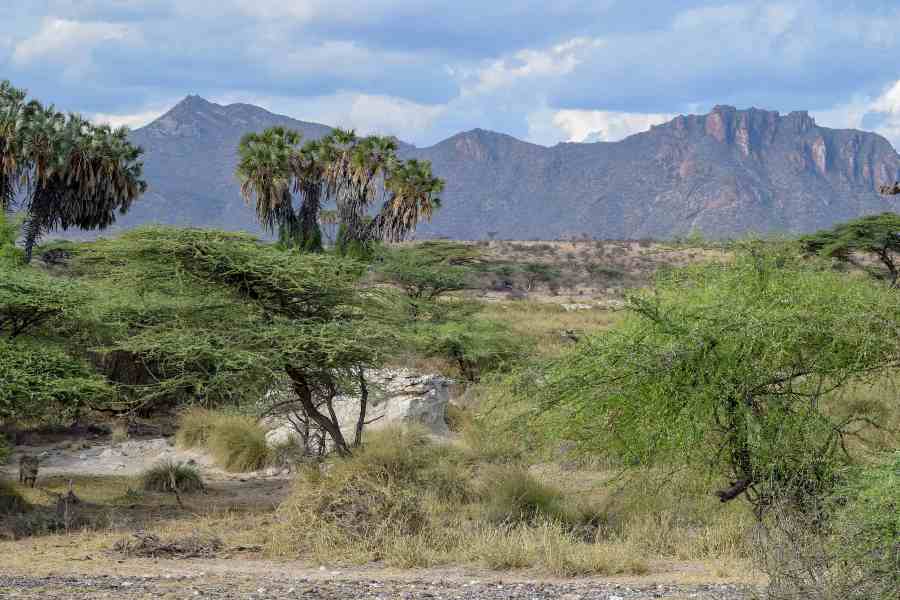
When people first arrive in Shaba, they are struck by the powerful aesthetics of the environment.
Unlike the rolling hills of the Maasai Mara, there is:
- Volcanic Terrain
- Rocky Outcrops
- Dry Riverbeds
- Woodlands of Acacia Trees
- Palm Trees lining the riverbanks
- Open Savannah
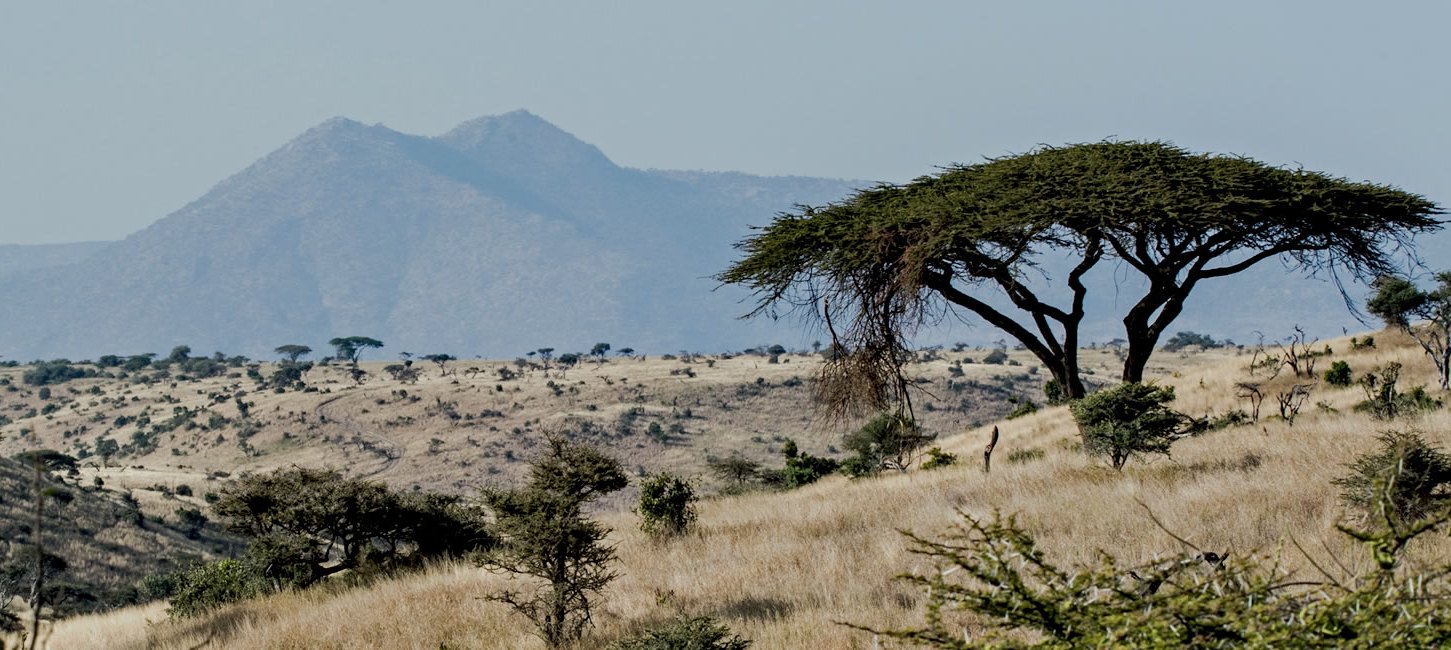
Shaba’s characteristically rugged beauty gives visitors a sense of being far from civilization.
Safari photographers will find that, among other things, the numerous volcanic features and lava fields provide fantastic photography opportunities.
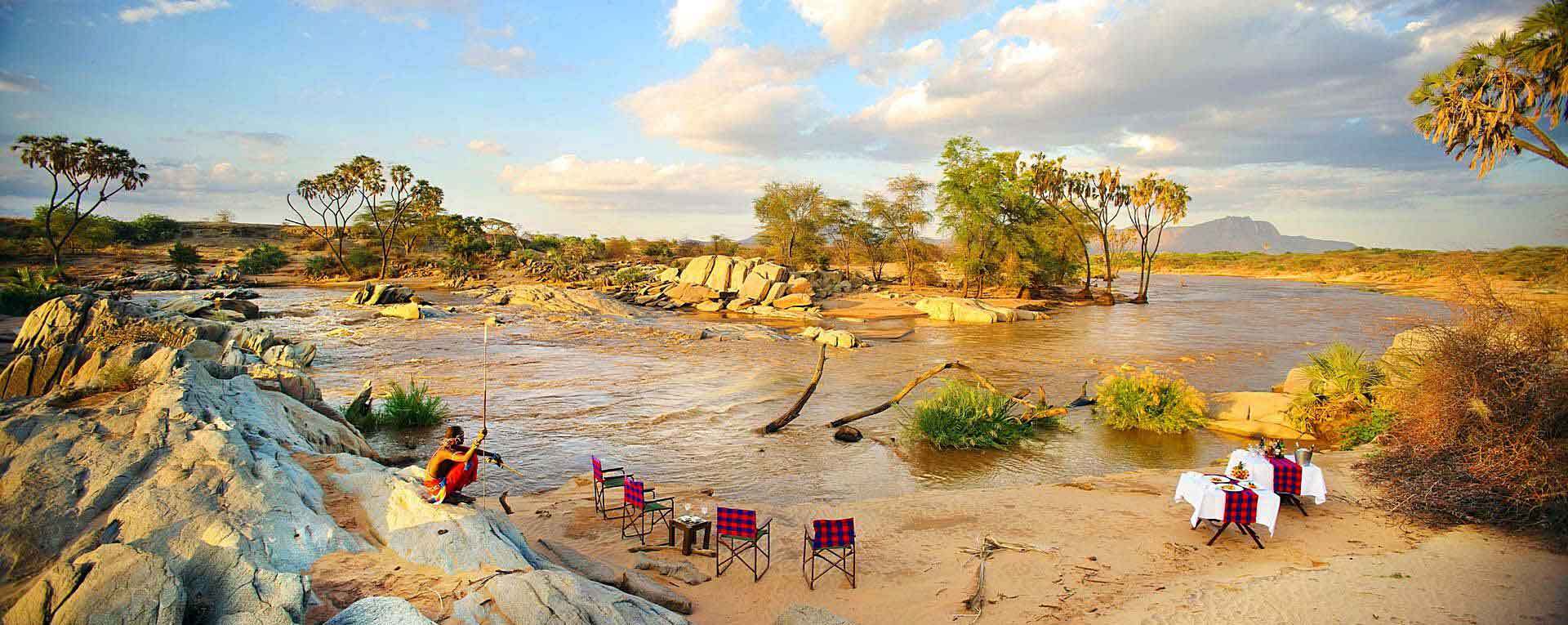
The stunning contrasts between the dry land and the green areas along the Ewaso Nyiro River add to the beauty of the reserve.
Wildlife in Shaba National Reserve
Shaba has an abundance of incredible wildlife that can be observed in the arid land of Northern Kenya. Visitors to Shaba can expect to encounter many lakes and rivers filled with an abundance of animals, including:
- Elephants
- Lions
- Leopards
- Cheetahs
- Hyenas
- Buffaloes
- crocodiles
- hippos
In particular, Shaba is also noted as being a popular location for the “Special Five”.
The Samburu Special Five
The “Special Five” can be found in Northern Kenya, and they will not be seen at southern African national parks/safari destinations.
These include:
- Grevy’s Zebra – The Grevy’s zebra is a larger species than the common plains zebra, but it has much narrower stripes. It is one of the most endangered zebra species in the entire world.
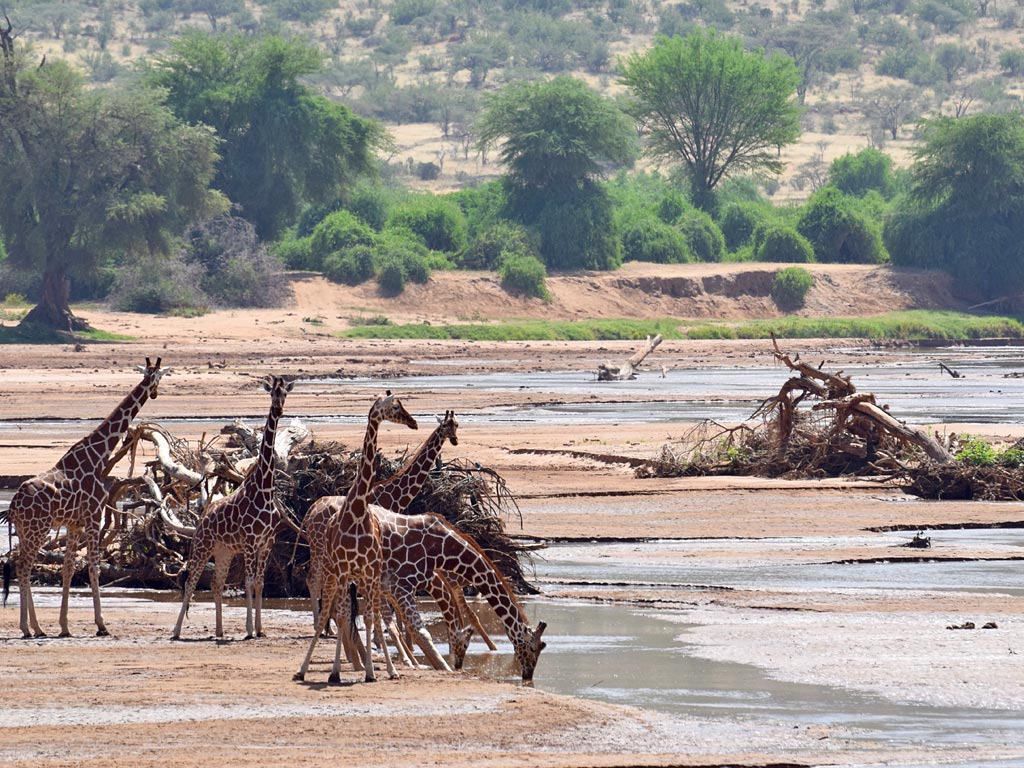
- Reticulated Giraffe – The reticulated giraffe has an incredibly distinct geometric coat pattern, and they are one of the most beautiful giraffe species in all of Africa.
- Somali Ostrich – Somalis have clear blue-grey skin as compared to the common ostrich, and their native range is in the Horn of Africa.
- Reisa Oryx – This graceful antelope has a great ability to sustain life in extremely dry habitats, and they don’t require much water.
- Gerenuk – Perhaps referred to as the “giraffe gazelle,” the gerenuk can frequently be seen feeding on leaves while standing erect on its hind legs.
These “Special Five” species have been the most popular motive for visiting the Shaba region, as well as the greater Samburu Ecosystem.
The Ewaso Nyiro River
The Ewaso Nyiro River is an important source of water for the Shaba National Reserve’s ecosystem.
It is often the only source of water in this otherwise arid land, therefore providing a refuge for animals throughout the region.
Visitors see many types of wildlife:
- Elephants are coming to drink from the banks of the river.
- Crocodiles sunbathing nearby.
- Hippopotamuses lying in the water.
- Large concentrations of birds gather along the banks of the river.
Many of the game drives are conducted along the river because there tends to be a greater density of wildlife activity in those areas.
Birdwatching in Shaba
Birdwatching Enthusiasts Will Find Paradise in Shaba National Reserve!
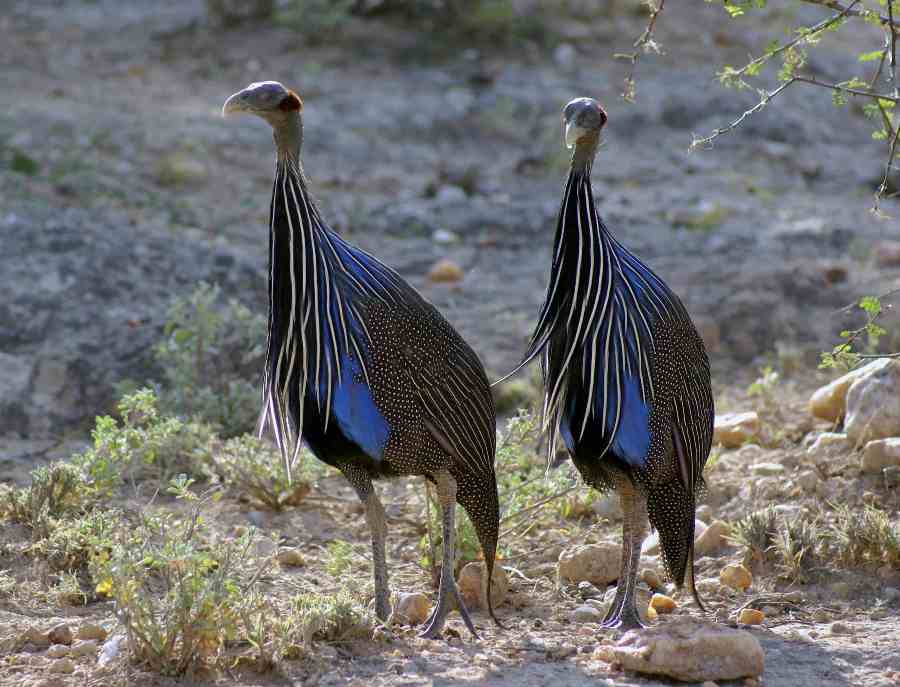
Over 400 Different Species of Birds Have Been Identified in the Reserve!
Some of the Common Birds that Can Be Seen at Shaba Include:
- African Fish Eagle
- Kingfisher
- Secretary Bird
- Vulture
- Hornbill
- Bee Eater
- Heron
Together with the River and Plains Habitat, Shaba National Reserve Provides Fantastic Birdwatching Opportunities All Year Long!
Game Drives in Shaba
The reserve’s dominant activity is game driving. Due to the limited number of visitors, safari vehicles have little chance of encountering large groups of visitors when observing animals.
Morning game drives are especially advantageous because:
- Cool temperatures
- Animal activity level
- Best lighting conditions to photograph animals
Evening game drives show how active predators become after dark.
Photography Opportunities
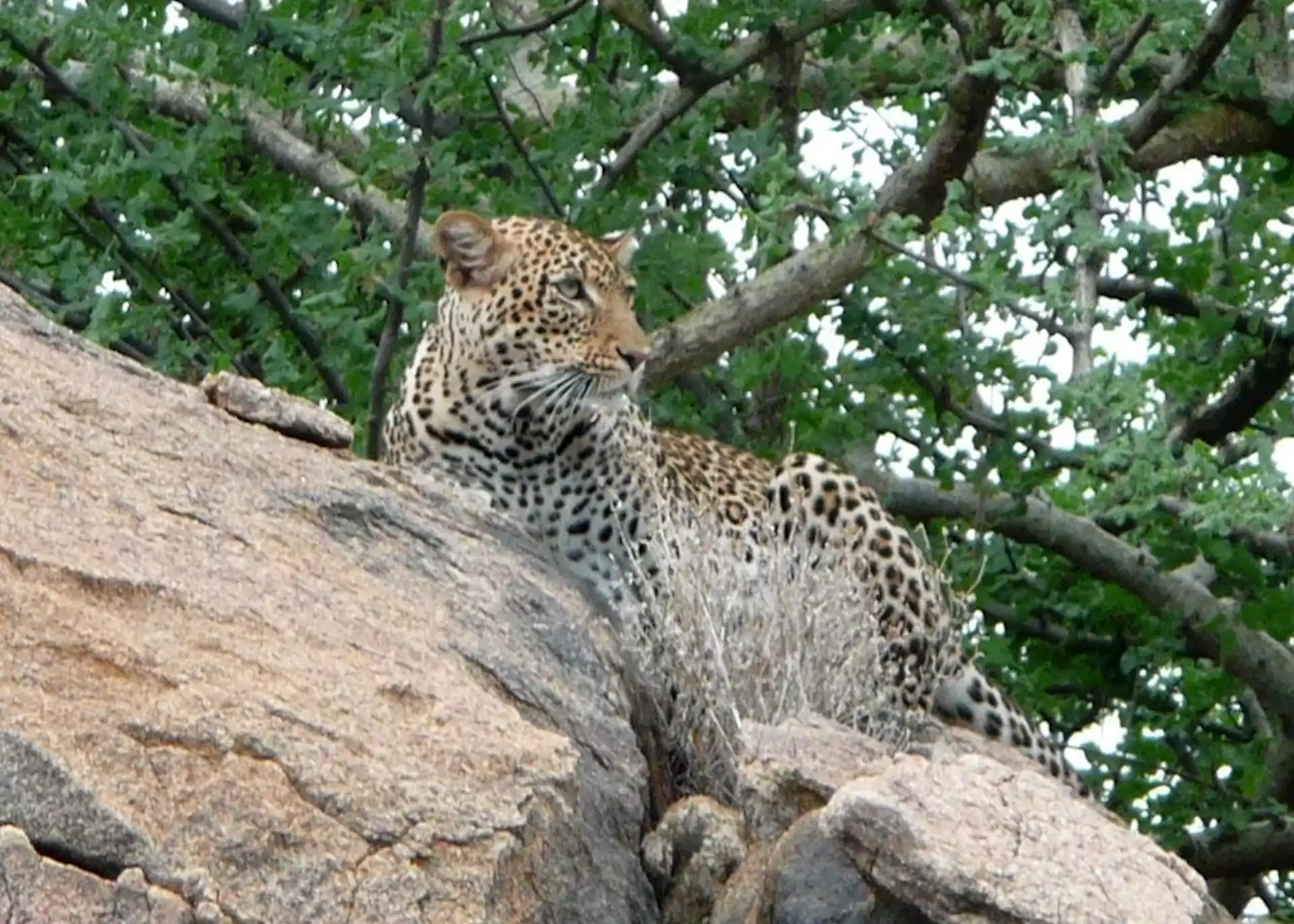
Shaba presents photographers with some of the most distinct options for capturing photographs in Kenya.
Photographers have the option to capture:
- Northern wildlife that can only be found here
- The beauty of the area’s volcanic landscape
- Picturesque river scenes
- Stunning sunsets
- Richly diverse local cultures
Wildlife photographers from all over the world flock to the reserve due to its remoteness and good ambient light.
Cultural Experiences
One of the most interesting pastoral groups within Kenya, the Samburu tribe, is located around Shaba.
Several popular safaris in the region will visit the villages of the Samburu to see things such as:
- Traditional ways of life
- Ways of raising livestock
- Cultural ceremonies
- Traditional clothing
- Local customs
Visiting these villages offers an insight into how these communities have lived alongside wildlife for many years.
Best Time to Visit Shaba National Reserve
While it is possible to visit Shaba all year round, there are times when conditions will be favourable for viewing wildlife.
From June to October, this time of year generally offers many opportunities for seeing wildlife due to:
- Low vegetation density
- Animals congregating around water
- Roads are more accessible
From January to February, this period also offers excellent opportunities for viewing wildlife and has:
- Warm temperatures
- Good opportunities to see wildlife
- Clear skies
From March to May, visitors can witness the rainy season:
- Greener landscapes
- Good opportunities for birdwatching
- Low tourist numbers
Photographers enjoy this season because of the vibrant landscape.
Accommodation in Shaba National Reserve
The accommodation available for visitors varies widely, including comfortable lodges and deluxe tented camps. Most lodges offer excellent wildlife viewing opportunities and are conveniently located along the banks of the Ewaso Nyiro River.
Popular features of accommodations are as follows:
- River-view
- Swimming Pool
- Guided safari excursion
- Atmosphere of traditional safaris
Most lodges are built to fit into nature seamlessly and, at the same time, provide modern-day amenities.
Combining Shaba with Other Safari Destinations
Various reserves and parks around the world use shaba as their primary accent for creating a broad range of safari itineraries.
Some of the more popular options include:
- Samburu National Reserve
- Buffalo Springs National Reserve
- Ol Pejeta Conservancy
- Mount Kenya Region
- Lake Nakuru National Park
With the many different options, travelers can experience various types of scenery and wildlife in one trip.
Why Visit Shaba National Reserve?
Why include Shaba on your Kenya safari?
- Amazing Wild Animals
- Seeing the Special Five sets Shaba apart from most of Kenya’s other safari locations.
- Less Congestion
- Compared to other popular areas like the Maasai Mara, Shaba provides a quieter, more private experience.
- Stunning Landscapes
- The volcanic scenery and the river ecosystem provide breathtaking views throughout the reserve.
- Genuine Wilderness
- Shaba is still one of the least developed safari venues in Kenya, maintaining its natural and wild appearance.
- Diverse Cultural Heritage
You can see both wildlife and experience culture here through meaningful cultural encounters.
Travel Tips for Visiting Shaba
Tips for Having an Enjoyable Experience at Your Safari:
- Take a Pair of Binoculars with you when you go wildlife viewing.
- Bring Lighter-Coloured (i.e., Neutral Tones) Clothing for the Trip.
- Bring a Camera with a Zoom Lens for Taking Pictures of Animals.
- Pack Sunscreen and a Hat.
- Stay Hydrated While on a Game Drive.
Remember, Because of the Warm Temperatures, Pack Lightweight Clothing to Wear.
Final Thoughts
The Shaba National Reserve provides visitors with an authentic and memorable experience when it comes to safari trips in Kenya. Its remote location, stunning scenery, unique wildlife species, and the cultural diversity found there create a safari destination that cannot be duplicated anywhere else within the country.
For those who choose to travel to Shaba rather than to Kenya’s more popular parks, they will be able to experience incredible wildlife encounters, enjoy quiet game drives, and gain an appreciation for the beauty of Northern Kenya.
Whether it is seeking out the elusive Special Five, photographing elephants as they drink from the waters of the Ewaso Nyiro River, or learning about the culture of the Samburu people, there is definitely something special to be experienced at the Shaba National Reserve that is not shared by other parks throughout Kenya.