
How to Plan the Perfect African Safari in Kenya: Best Guide
The task of planning an African safari can be quite thrilling. Kenya is one of the most desirable places in Africa to see wildlife, beautiful scenery, and wonderful memories from your travels. There are many different travel destinations in Kenya, from the seemingly never-ending Maasai Mara to the elephant-laden swamps of Amboseli, to the pristine white-sandy beaches that line the Indian Ocean.
The planning of the ideal safari requires careful consideration and planning. The traveler must be aware of the booking period, the proper time to visit the national parks, which lodging option will work best for them, which will provide the means of travel, and what the safari activity options are. When all of these factors fall into place, the final result will be the perfect safari experience.
The purpose of this guide is to show you how to prepare for the ideal African safari to Kenya, particularly for those who wish to have a comfortable, unique, and unforgettable wildlife experience.
1. Choose the Best Time to Visit Kenya
The first consideration for planning a trip to Kenya for a safari is choosing a date to go on the safari. There are many safari opportunities available in Kenya year-round, but the time of year you choose will have different advantages.
The dry season, which runs from June through October and again from January through February, is the best time to visit Kenya to experience wildlife. During this time of year, there is less vegetation, and during the dry season, all of the wildlife is near rivers and waterholes. This makes them easier to see on safari.
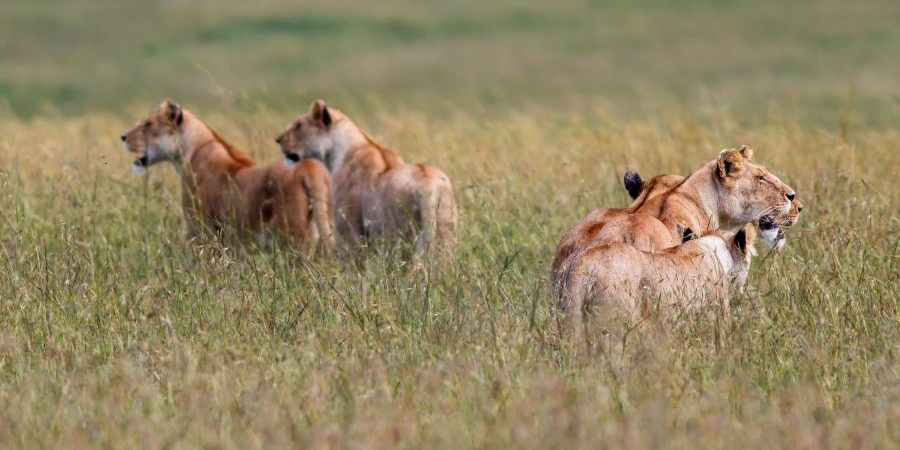
Another time period that has a high number of safari visitors is the July to October period because this is when the wildebeest are migrating. There will be millions of wildebeest and zebras crossing from the Serengeti into the Maasai Mara in search of new grass. This spectacle attracts safari visitors from all over the world.
In addition to the dry seasons, there are also two green seasons, which occur from March to May and again in November. In comparison to the dry seasons, the green seasons provide lush beauty, abundant birdlife, and much greater spaces to explore due to fewer visitors to the parks and therefore less congestion in the parks.
2. Select the Best Safari Destinations
There are many national parks and reserves in Kenya, offering many different types of safari experiences. The destination you choose will depend on what type of wildlife or scenery you want to see.
Maasai Mara National Reserve is a world-renowned safari destination and has one of the largest populations of wildlife, with open savannah landscapes and a high probability of seeing the “Big Five” (lion, elephant, buffalo, leopard, and rhino) on safari.
Amboseli National Park is also a well-known safari destination due to its large herds of elephants and spectacular views of Mount Kilimanjaro. Its swamps attract many animals, which helps with animal viewing during a safari excursion.
If you are looking for a remote experience with very few people, Tsavo East and Tsavo West are your top two choices! Tsavo East is known for its red elephants and wide open plains, while Tsavo West features volcanic landscapes, Mzima Springs, and various scenic viewpoints.

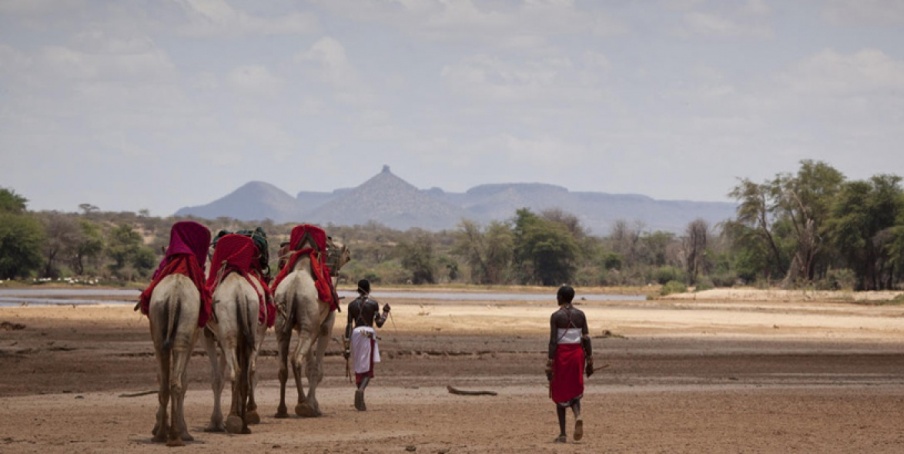
Samburu National Reserve is located in the northern part of Kenya and is an excellent location for travellers who seek out rare species of animals. Grevy’s zebras, reticulated giraffes, and long-necked gerenuks are some of the animals you can see while on safari in this reserve.
Many safari itineraries will combine two or three different parks to give you a complete safari experience.
3. Decide on the Length of Your Safari
An important factor is the length of the safari, which can range from a minimum of three or four days’ safari to an extended ten-day safari, depending on the time allocated by the individual traveller.
First-time visitors to Kenya often prefer a 7-10 day safari so that they have an opportunity to see more than one national park in a relaxed manner.
This type of itinerary may include several days in the Maasai Mara followed by a week in either Amboseli or Samburu, or some travellers may decide to combine their safari with some time spent at a beachfront hotel along the coast.
4. Choose the Right Safari Accommodation
Accommodation is one of the most important components of any safari experience. In Kenya, there are many accommodations available, from comfortable lodges to exclusive tented camps that are located within wildlife reserves.
In addition to their accommodations being comfortable, safari camps provide travelers with a unique opportunity to be close to nature while still enjoying all of the modern conveniences that a hotel would offer. For example, most camps overlook a river, waterhole, or wildlife migration routes, allowing guests to see animals while they are in their room.
Most lodges, however, feature large rooms, swimming pools, restaurants, and beautiful views of the surrounding area.
When choosing accommodation, travelers should consider the location of the property, the comfort level of the accommodation, the access to wildlife, and the number of guests that the property will accommodate.
5. Consider Private Game Drives
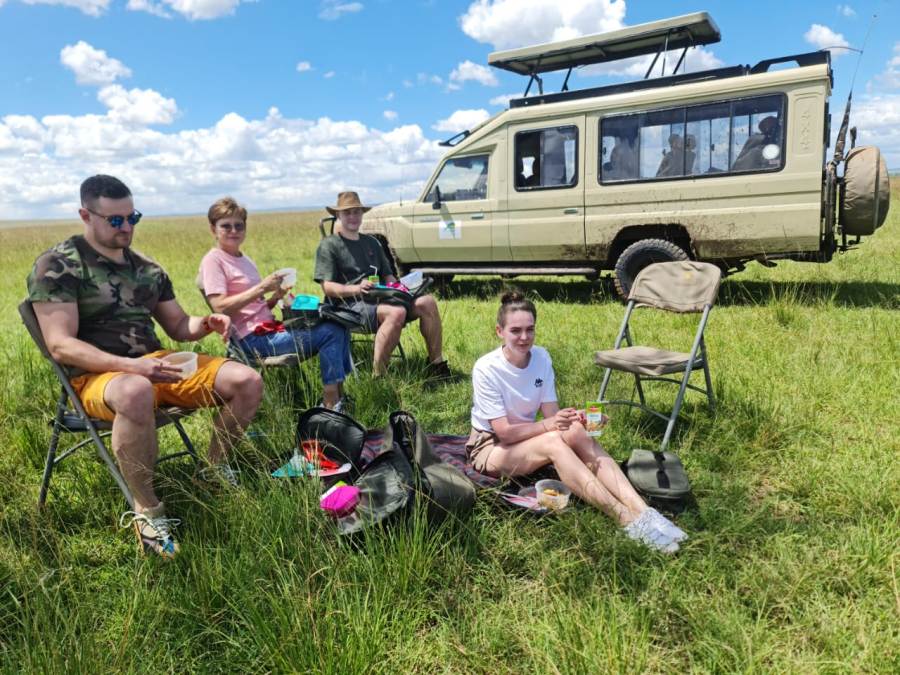
The best thing about going on a safari is taking part in a game drive, which gives you the chance to visit the park with an experienced guide who knows how to interpret the behaviour of animals, as well as find the best possible viewing locations for your time in the park.
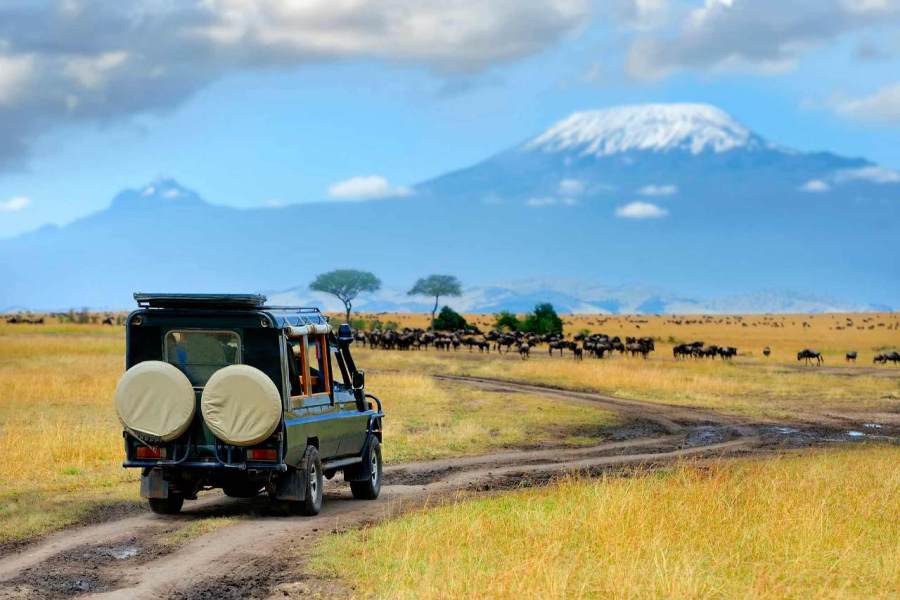
When going on a private game drive, you will experience much greater flexibility compared to when you are on a shared game drive. This flexibility allows you to choose how long you want to observe animals, where you want to go in the park, and when to return to your lodge. This greater flexibility allows you to have a more personal and relaxed safari experience. Additionally, it also increases your chance of enjoying a unique encounter with wildlife, without feeling rushed.
6. Plan Unique Safari Experiences
When it comes to planning your safari in Kenya, there are plenty of other activities that can improve your experience beyond the usual game drives.
One of the most common alternative safari experiences is hot air ballooning over the Maasai Mara. The views from a hot air balloon will take your breath away as you watch the wildlife and the plains below. After your flight, you will be treated to a champagne breakfast in the open air, typically in the vicinity of where you landed.
Another popular alternative is to walk on safari. This allows you to see the animals from a different perspective and to learn more about animal tracks, plants, and small animals while walking through the landscape.
Visiting Maasai villages is another unique way to gain insight into the traditional way of life and culture of the Maasai people.
In addition to the above activities, some safari lodges and camps offer night game drives; on these drives, you would have the opportunity to observe nocturnal animals (e.g., bush babies, civets, hyenas, etc.) in their natural environments.
7. Arrange Comfortable Transport
Transportation is an important consideration when planning your safari. Roads and domestic aircraft provide routes to Kenya’s national parks.
Should you prefer a scenic route and want to view the beautiful countryside, a road safari will meet your requirements, although in some cases, the distance between national parks can be very far apart.
Domestic flights provide you with the fastest and most comfortable way to travel to your destination. Many small airlines operate flights between Nairobi and the major safari parks (excluding those located off the coast of Kenya). Small airstrip facilities serve as the terminals for most of the domestic flights.
You will have more time to complete your safari if you can fly between destinations instead of spending hours on a road trip.
8. Combine Safari with a Beach Holiday
The Sandy beaches along Kenya’s Indian Ocean coast are among the most stunning in the world, making them a popular choice for travelers looking to combine their safari adventures with some time at the beach after a week of experiencing wildlife. After several days of safari adventures, a relaxing day on the beach is a wonderful way to cap off an amazing trip.

There are several beach destinations that are very popular with travelers. Diani Beach, Watamu, and Malindi have all been described as having some of the clearest blue water and beautiful coral reefs, along with an abundance of water sports and quiet, relaxing coastal scenery.
While enjoying the relaxing ocean atmosphere, travelers can snorkel, scuba dive, take a traditional wooden sailing boat (dhow) out on the ocean, and enjoy fresh seafood.
9. Work with Experienced Safari Planners
Organizing a safari is often a complicated task, particularly for those who are doing it for the first time. Utilizing the services of experienced safari professionals makes planning a lot easier and will help to prevent problems during the trip.
Professional safari planners know how to get to the best destinations by travelling via the best routes, which camp websites are worth visiting, and where the best places to see the majority of wildlife are located. They also have the experience necessary to put together an itinerary based on each traveller’s individual preferences.
A well‐organized safari allows you to concentrate on enjoying the experience instead of worrying about the logistics of your safari.
10. Pack Smart for Your Safari
For travelers on a safari, packing properly allows for a much more comfortable trip. Lightweight, neutral clothing (beige, green, or khaki) can help blend with the natural environment.
Comfortable shoes make it possible to enjoy nature walks and participate in activities at the lodge.
Some other helpful items include sunscreen, sunglasses, hats, insect repellent, and binoculars for better wildlife viewing.
Since most safari camps offer laundry service, there is no need to pack a lot of clothing.
Final Thoughts
Planning a successful African safari in Kenya requires careful planning before embarking on the trip. There are several important elements that need to be considered when planning your safari, including selecting the right season, choosing the best parks, finding comfortable accommodations, and arranging reliable transportation to ensure you have an amazing experience.
There is an incredible variety of wildlife, along with breathtaking scenery and fascinating cultures across the country of Kenya. Watching lions hunt in the Maasai Mara or watching elephants graze in Amboseli at the foot of Mount Kilimanjaro will become special moments that will make your safari truly memorable.
Combining a trip to Kenya with beautiful coastal destinations and well-planned activities will provide you with one of the most rewarding travel experiences on earth.
By doing your research ahead of time and getting the right support, you will enjoy a wonderful adventure that will allow you to experience the true essence of Africa.