
Meru National Park in Kenya: Untamed Paradise with Iconic History
The Maasai Mara, Amboseli, Tsavo, and Samburu are some of the most well-known safari hotspots in Africa, with Kenya having a number of these renowned reserves and national parks. In addition to these incredibly famous parks is one that will give you the most authentic experience of Kenya’s wilderness – Meru National Park.
Meru National Park is located in the eastern region of Kenya and consists of a rich tapestry of ecosystems, including rivers, open grassland plains, dense forests, swamps, and hills with beautiful scenery, resulting in the park having an incredibly high level of biodiversity. This makes Meru National Park a really great option for visitors who wish to see a different side of Kenya’s wildlife away from the crowds.
Another reason that Meru is so special is that it was home to Elsa, the lioness made famous in Joy Adamson’s internationally acclaimed book and movie Born Free. However, Meru National Park provides much more than just this conservation history; the park is a true wildlife haven where you will see all the Big Five animals (lions, elephants, leopards, buffalo, and rhinos) in stunning scenery, and provides the opportunity to explore one of the best-kept secrets in the country.
The following guide has been created to provide you with all the information necessary for planning your trip to Meru National Park, including the history of the park, the wildlife within it, and the activities and travel advice that may best suit your needs.
Where is Meru National Park?
Meru National Park is located around 350km NE of Nairobi, located in Meru County.
The Meru National Park has an area of well over 870 km2, making it one of the larger protected areas in Kenya.
Meru is situated between the Central Highlands and the Semi-arid landscape of Northern Kenya, resulting in a combination of ecosystems that support a high diversity of species.
Access to Meru National Park can be achieved via road from Nairobi (approximately 6-7 hours) or by scheduled domestic flights to nearby airstrips.
Most visitors to Meru also tie in other areas of interest, such as Samburu, Ol Pejeta, Mount Kenya, and Laikipia.
The Famous History of Meru National Park
The state of conservation in Kenya has a long history, and much of this is connected to the development of the Meru National Park area of the country.
Through the tireless efforts of George and Joy Adamson, the international renown of Meru National Park for conservation is due to their long commitment to saving wildlife.
The Story of Elsa the Lioness
The most widely seen example of wildlife rehabilitation in Kenya has been through the story of Elsa. In the 1950s, after she had been orphaned, George and Joy Adamson raised and rehabilitated Elsa the Lion Cub until her successful release to the wild. Joy wrote about this experience in the best-selling book “Born Free,” which tells of how they successfully reintroduced a once-captive lioness into the wild.
The film “Born Free” was recognized with many awards and drew worldwide attention to the conservation of wildlife in Kenya’s Merru National Park and the surrounding areas.
When visiting Merru National Park, today’s visitors continue to feel that they are part of this great conservation effort.
Landscape and Scenery
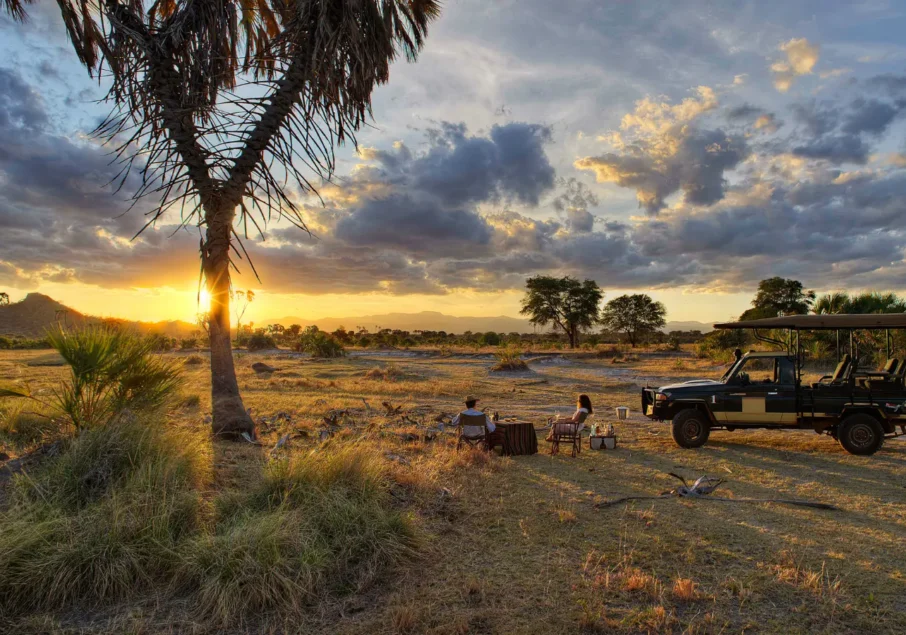
Meru National Park is characterized by an extremely varied mix of environments that produce diverse landscapes and provide a variety of habitats to support a wide variety of animals and plants. Unlike other parks that contain a single dominant habitat type, Meru consists of many different types of environments that together contribute to the constantly changing landscape of Meru National Park.
Meru National Park contains many different types of habitats, including:
- Open savannah grasslands
- Riverine forests
- Swamps
- Palm groves
- Acacia forests
- Rocky outcrops
- Seasonal rivers
These habitats support an equally diverse number of animal species.
Many of the rivers (i.e., Tana River, Rojewero River, Ura River, Murera River, etc.) run through Meru National Park. Having these rivers provides permanent sources of water for the animals in Meru during the entire year.
Why Meru National Park Is Different
Meru is often equated with other Kenyan safari parks that are more popular.
But there are also certain qualities that Meru has that are uncommon in modern-day tourism, such as having plenty of room for yourself.
Whereas some other parks have busy game-viewing areas with many vehicles driving around the park staying on the same game-viewing roads, visitors to Meru will often see animals without any other vehicles nearby.
This creates:
- A more exclusive safari experience.
- Increased opportunities to take better photographs.
- A higher level of connection to nature.
- More opportunity to see wildlife exhibiting their natural behaviors.
For those who desire an authentic African wilderness experience, Meru is hard to beat.
Wildlife in Meru National Park
A Variety of Wildlife Thriving Within Meru National Park
Numerous animals have been able to multiply and be sustained owing to the successful conservation of wildlife by Meru National Park, as it houses an exceptionally rich amount of wildlife.
There are ample opportunities to view the big 5 with ease;
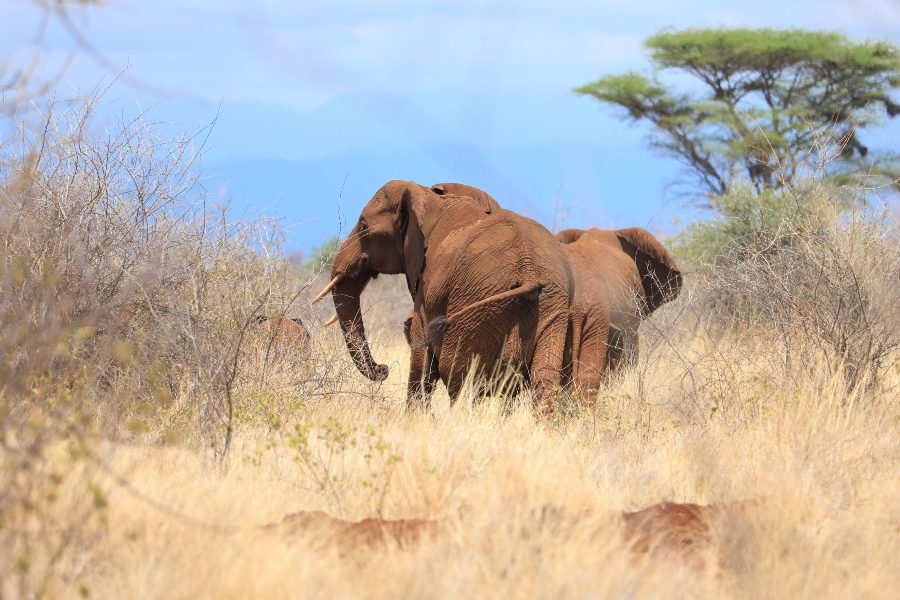
The Big Five – Lion, Leopard, Elephant, Buffalo, and Rhino- can all be found within one ecosystem in Kenya, Meru National Park.
- Elephants can be found throughout the park.
There are large herds of elephants that frequently cross rivers, forests & grasslands.
There are some of the best memories while on safari are of elephants crossing rivers found within the park.
- Lions are found throughout the park.
Many lions are located huddled under trees or roaming across open grasslands and plains.
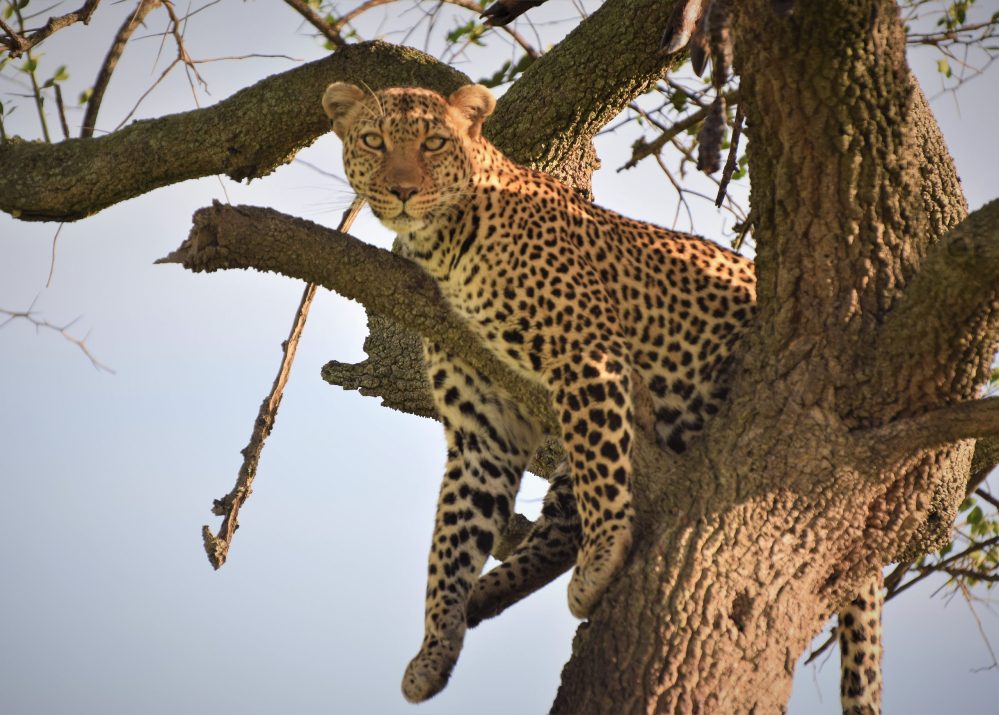
- Leopards, while found throughout the park, are difficult to find because they are shy & secretive, but if someone is patient and has a knowledgeable guide, the chance of spotting a leopard greatly increases!
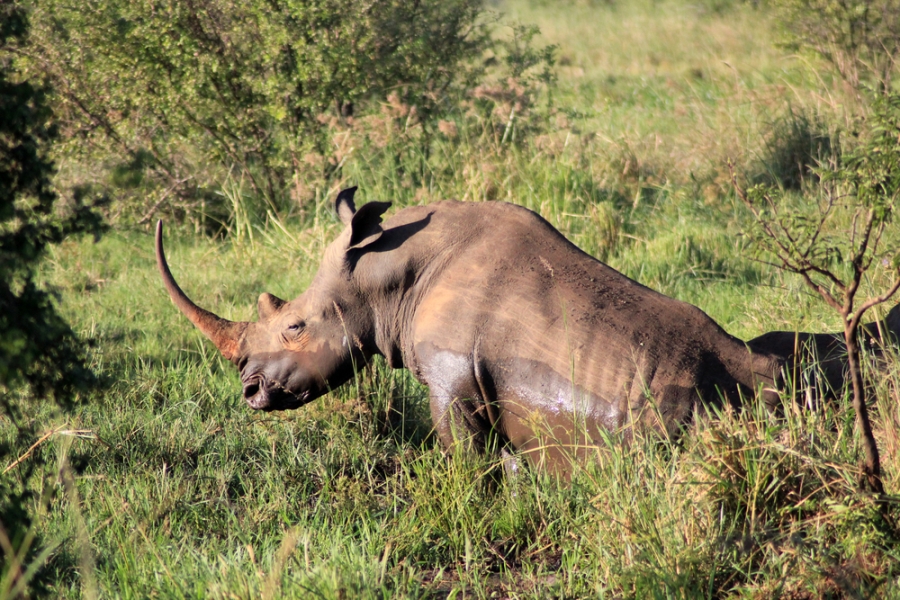
- Rhinos are found inside Meru’s protected rhino sanctuary; this rhino sanctuary protects black and white rhinos and plays a critical role to conserve kenya’s rhino population.
Other Wildlife Species
Within the boundaries of Meru National Park are many more species of mammals than just the Big Five.
The Mammals You Can Expect to See Include:
- Cheetahs
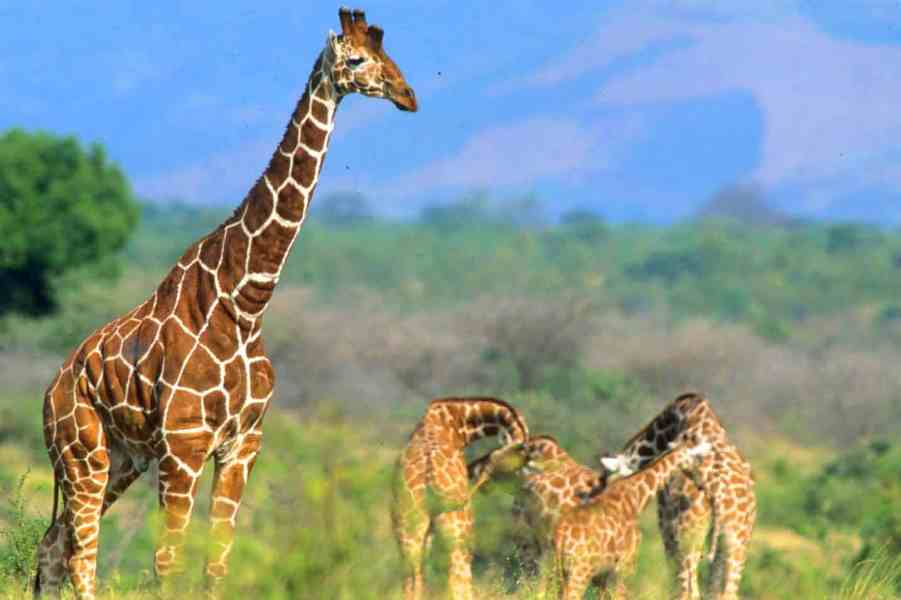
- Giraffes
- Zebras
- Elands
- Waterbucks
- Impalas
- Warthogs
- Dik-Diks
- Hippos
- Crocodiles
Since the Park is Rich in Biodiversity, Each Game Drive Provides Something New.
Birdwatching in Meru National Park
Bird lovers will definitely find Meru National Park to be a rewarding experience.
More than 400 species of birds have been documented within the boundaries of this national park.
Many different types of environments create the perfect conditions for both resident and migratory birds.
There are many different species of birds that visitors may encounter:
- African Fish Eagle
- Kingfisher
- Hornbill
- Bee-Eater
- Secretary Bird
- Heron
- Stork
- Sunbird
Many different types of outdoor aquatic habitats attract many different types of water-related birds year-round.
The rainy season is the most productive time of the year for birdwatching since that is the best time for migratory bird species to be present.
Major Attractions in Meru National Park
- Adamson’s Falls
George Adamson’s contribution has created one of the park’s most popular landmarks, Adamson’s Falls.
Benefits of the waterfall include:
- Aesthetically pleasing scenery
- Good locations for photography
- Historical importance
Many tourists stop at Adamson’s Falls to learn about George and Joy Adamson and their commitment to wildlife conservation.
- Elsa’s Grave
Many wildlife lovers find their visit to Elsa’s grave to be a very emotional experience.
This site honors a lioness who motivated or inspired millions of people around the world.
It serves as a reminder that preserving wildlife is important.
- Rhino Sanctuary
The Rhino Sanctuary is home to endangered Rhinos and has some of the best chances to witness these incredible creatures.
- River Systems
Meru’s rivers create some of the most scenic locations in the Park.
The riverbanks are often home to:
- Elephants
- Hippos
- Crocodiles
- Many different bird species
Activities in Meru National Park
- Wildlife Viewing via Game Drives
Game drives are the main activity at Milawra National Park.
You can see many animals and birds during the day, and see even more animals and birds at dawn and dusk!
With fewer people, visitors have a more personal safari experience.
- Birdwatching
Milawra National Park is a popular destination for birdwatchers because it has so many different types of birds.
- Photographing Wildlife
The variety of landscapes and the variety of wildlife make Milawra an excellent place to take pictures.
Photographers will like:
- Golden light (morning only)
- River scenes
- Incredible animal and bird sightings
- Beautiful landscapes
- Enjoying Nature
Even if you’re not trying to see wildlife, driving through Milawra with its fantastic views is still a great experience!
Best Time to Visit Meru National Park
Meru National Park can be accessed year-round, but for the best wildlife sightings and safari experiences, the best times to visit are:
June to October
This is usually the best time for safaris, because:
- Animals are drawn to waterholes
- There is less bush cover
- Road conditions are better for driving
January to February
These months have great weather conditions as well:
- There are sunny days
- Animals are easily seen during daytime hours
- The temperature is moderate
March to May
During the rainy season, the park becomes an emerald green paradise.
Reasons to visit during this period include:
- A beautiful landscape
- Fewer tourists
- Excellent birdwatching
Accommodation in Meru National Park
Travelers will find several different places to stay in Kenya.
The accommodations available include:
- -Safari lodges
- -Tented camps
- -Luxurious camping
- -Private conservancy accommodation
Many lodges are located along rivers and provide excellent wildlife viewing from the lodge itself.
Common amenities of the lodges include:
- -Swimming pools
- -Guided excursions
- -Viewing platforms
- Comfortable rooms in a safari-style manner.
Combining Meru with Other Destinations
For those planning extended trips, Meru is an ideal match for multi-stop Kenya safari trips.
A few of the most common safari combinations include:
- Samburu
- Ol Pejeta
- Mount Kenya
- Aberdare
- Laikipia
Each combination offers a different combination of wildlife and landscape options.
Why Visit Meru National Park?
Meru is well worth adding to a Kenya safari because of a number of factors.
- The Authentic Wilderness
- Meru is among the least populated of all Kenya’s national parks.
- Rich Conservation History
- The history of the lioness, Elsa, and her caretakers, the Adamsons, adds a historical dimension to Meru.
- Wild Animals Diversified
- This national park has great options for viewing all five of the big five, plus many other animals.
- Scenic Beauty
- There are very few places in Kenya that have as many different types of ecosystems.
- Superb Birding
- If you are a birder, the number of bird species will keep you occupied for your entire stay.
- Private No-Tour Guide Experience
Typically, visitors will be able to see the game without being in crowds that can be found in more popular parks.
Travel Tips for Visiting Meru
Here are some ways to maximize your enjoyment on your trip:
- Binoculars for observing wildlife.
- Camera with backup batteries.
- Dress in neutral colors so as not to draw attention from animals.
- Sunblock/hats (unless you want to get sunburned).
- Insect repellent:-【Easily: if you bring strong enough repellent, insects will not bother you.】
- Light jacket or layering fleece when leaving early in the morning.
Having a knowledgeable guide can greatly affect the number of animals seen as well as provide interesting information regarding the history and ecology of the area.
Final Thoughts
Meru National Park is a unique safari destination in Kenya. It has a rich conservation history and contains many different types of wildlife, as well as beautiful, flowing rivers, and a huge wilderness area that is not crowded at all; therefore, it is often considered to be an authentic and adventurous destination.
Most of the travelers to Kenya visit one of the more well-known national parks, but those who actually visit Meru will have discovered one of the best-kept secrets of Kenya. You can follow the story of the lioness, Elsa, as well as view rhinos, elephants, and lions in their natural habitat; each day in Meru will be an unforgettable experience.
If you are interested in a safari that is rich with wildlife, history, scenery, and solitude, then Meru National Park is your best choice for an untouched paradise in Kenya.