
7 Reasons Why Serengeti National Park is Africa’s Best Destination
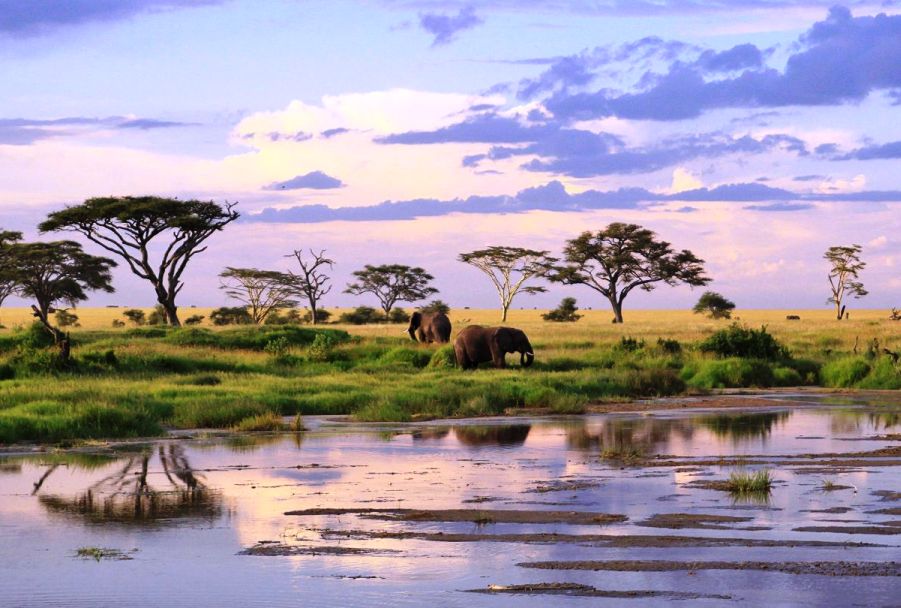
In the Maasai language, the term Serengeti literally translates to “great plain”. Upon arriving at Serengeti, you’ll find vast expanses of golden grasses, providing an endless view of the landscape.
Serengeti is undoubtedly one of the most popular safari spots in the world. Situated in northern Tanzania, it encompasses approximately 15,000 square kilometres of protected area. The vastness, the wilderness, and the uniqueness of this region make it a must-see for many tourists every year.
Tourists flock to Serengeti National Park each year, looking for a glimpse into authentic African wilderness; however, what really sets this park apart from others?
Here are seven great reasons why Serengeti National Park is regarded as the premier destination in Africa:
1. The Great Wildebeest Migration
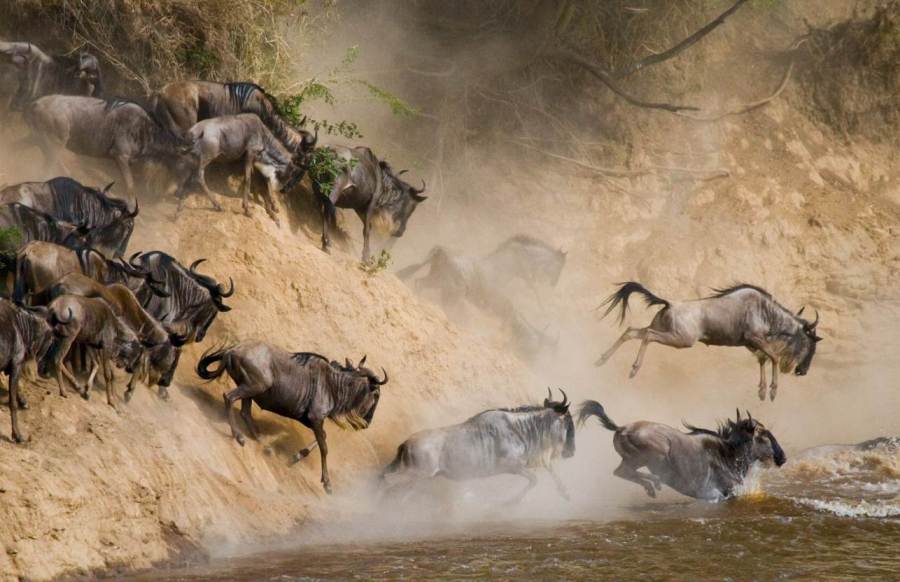
Every year, over 1.5 million wildebeest, along with zebra and gazelle, migrate across vast grasslands in search of fresh grass and water. This is a continual cycle determined by rainfall.
During their migration, wildebeests must cross treacherous rivers filled with crocodiles; predators like lions, cheetahs, and hyenas stalk them nearby. Therefore, survival is never guaranteed.
This once-in-a-lifetime dramatic event is often referred to as “The Greatest Show on Earth.” It is raw, it is powerful, and it will only ever take place at this scale.
While a part of the migration reaches Kenya’s Maasai Mara, the majority of the journey occurs within Tanzania’s Serengeti ecosystem.
Because of these factors, the Serengeti is arguably one of the greatest safari destinations for wildlife lovers and photographers.
2. Big Five Safari Experience
The Serengeti is an amazing location for spotting all five of the dangerous African animals known as “the big five”:
- Lions
- Leopards
- Elephants
- Buffalo (Cape buffalo)
- Rhinoceroses
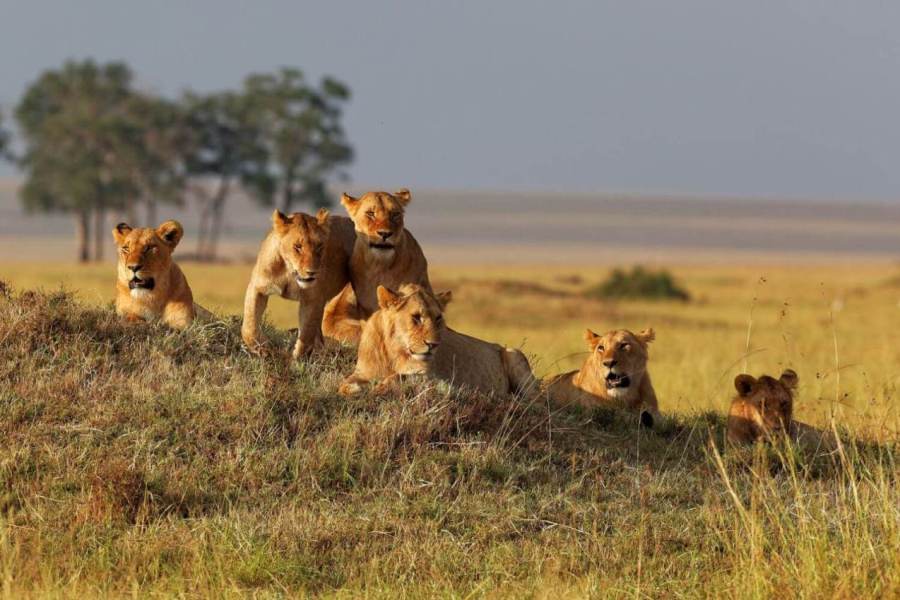
In fact, lions are common throughout this region, with the Serengeti supporting some of the largest lion populations in Africa. You can normally see lions lounging on kopjes, which are rocky outcrops in the Serengeti.
Unlike lions, leopards tend to be more elusive animals. However, throughout the Serengeti, you may also see them as they travel through the riverine forests adjacent to the rivers.
Elephants can be found throughout many parts of the Serengeti, so there are good chances of seeing some.
Cape buffalo (commonly referred to as just buffalo) live in large herds and will frequently move across the plains.
Rhinos are somewhat harder to find. Still, you can see some of them in the protected areas of the park.
If you’re looking for the ultimate African safari experience, you’ll find it in the Serengeti.
3. Endless Landscapes and Natural Beauty
The Serengeti offers much more than just wildlife; there is also geography involved.
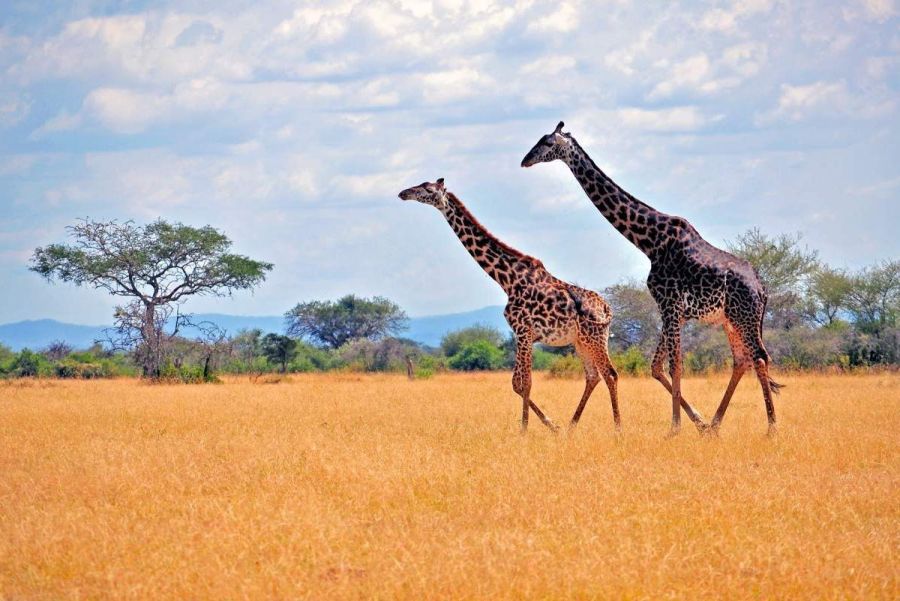
There are many distinct types of landscapes, such as open savanna, acacia woodlands, riparian (riverine) valleys, and outcropping hills.
Golden and soft sunrises with color added at sunset.
The expansive open plains create a feeling of accessibility and freedom that is difficult to put into words. There are very few fences, roads, and very little evidence of mankind.
Given the pristine aspect of the Serengeti, it has an authentic and wild feel.
In addition, it is a UNESCO World Heritage Site with significant global ecological significance.
4. Incredible Predator Action
The Serengeti is an unparalleled opportunity to see dramatic wildlife.
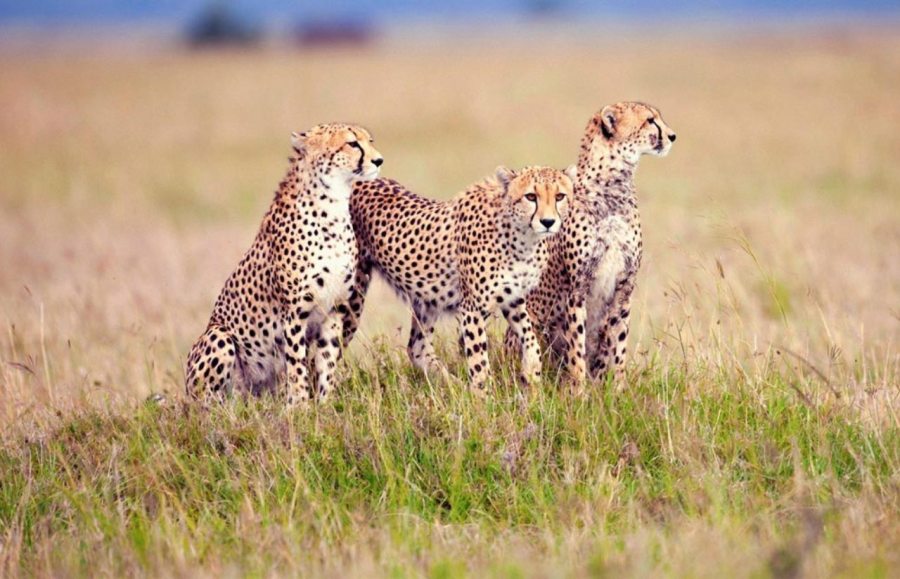
With the highest concentration of predators found in all of Africa, lives are led largely by the lions that occupy the plains and the cheetahs that hunt in wide-open grasslands (some leopards create burrows in trees, and hyena packs).
As the natural migratory season increases, the activities of predators will also increase: here you will see lions stalking for a meal of wildebeests; crocodiles waiting for the perfect moment to attack during river crossings; and cheetahs chasing after their favorite meal: the gazelle at breathtaking speeds.
When going on a safari game drive in the Serengeti, expect to have an exciting experience every time you go.
The Serengeti ecosystem will continuously support wildlife year-round, regardless of whether you visit during the migration months.
5. Year-Round Safari Destination
Wildlife viewing in the Serengeti occurs all year round, as opposed to other parks, which are determined by seasonal migrations.
Different parts of the National Park have the ability to shine during various seasons of the year.
In other words, the best time to see wildlife is during the calving season, which is from December to March, when there will be thousands of baby calves born to wildebeests within a few-week period in the southern part of the park.
The dry season occurs between the months of June and October. This season will create an opportunity for animals to congregate around sources of water.
There will also be many opportunities to view river crossings between July and September.
The flexibility offered by this park makes it an excellent option for visitors throughout the year.
6. Luxury and Authentic Safari Lodges
There are many places in the Serengeti to stay.
You may want to stay in any of the following:
- Luxury Tented Camps
- Mid-Range Lodges
- Mobile Camps that move with the Migration
- Classic Safari Lodges
Many of the camps have been designed to blend in with the environment. You wake up each morning to the sound of birds singing and go to sleep each night listening to lions roaring off in the distance.
Some of the camps also offer sunrise hot air balloon safaris. Being suspended in the air and watching the wildlife move below is an experience you won’t forget!
Even though you will have all of the comforts, you will still feel that you are in a very remote wilderness.
7. Cultural Experience with the Maasai
The Maasai culture has an important relationship with the Serengeti. They have a long-standing history of living on or bordering the park. Traditional Maasai clothing and customs continue to be practiced and preserved in these communities.
Several Maasai villages are visited during safari tours, where you can learn about:
- Traditional homes (manyattas).
- Cattle herding lifestyle.
- Craft and beadwork.
- Traditional dance.
Such cultural connections offer a rich safari experience, affirming to visitors that the Serengeti is more than wildlife; it is also a part of their living history.
Additional Reasons Serengeti Stands Out
In addition to these seven major reasons for visiting the Serengeti, there are more reasons you might want to visit:
Bird Diversity
With over 500 species of birds, including large ostrich, bright lilac-breasted roller, and any other bird species you can imagine, the Serengeti offers a wealth of birdwatching opportunities.
Photographic Opportunities
Because the large open plains and vast area allow you to photograph in the open without the obstruction of heavy vegetation from either side of the animal(s) you are photographing, you’ll have great opportunities to take photographs on your trip.
Conservation Outcome
The Serengeti is considered one of Africa’s premier conservation success stories. The area’s continued stringent protection has maintained an ecological balance for many decades.
As a result, it provides a template for sustainable wildlife management across Africa.
How to Get to Serengeti National Park
When visiting Tanzania, the majority of tourists will arrive at either Kilimanjaro International Airport or Arusha Airport.
Once there, you have a couple of options:
- You could fly via a small charter flight directly to the Serengeti.
- You could drive yourself to the Serengeti and travel through the Ngorongoro Conservation Area.
Flying will save you time; however, if you choose to drive, you will see beautiful scenery on your trip to the Serengeti.
Both modes of transportation will allow you access to this popular safari destination.
Best Time to Visit Serengeti National Park
Depending on the time of year, one can have a unique experience at this year-round location.
In the dry season, from June until October, you will see the most predators and possibly witness river crossings.
In the green season, from November through May, there are fewer visitors and stunning scenery; additionally, during this period, there is also a calving season earlier in the year.
There are special things about each season!
What to Pack for a Serengeti Safari
- Stay Simple, Stay Neutral
- Light clothing (the more neutral the color, the better)
- Comfortable Walking Shoes
- Sunscreen and Hat
- Camera with Zoom Lens
- A Light Jacket for Mornings
Remember: Daytime to Nighttime Temperatures Vary.
Why Serengeti Remains Africa’s Best Destination
Some of Africa’s Parks boast innumerable wildlife! However, they cannot match the majesty or size of Tanzania’s Serengeti National Park.
The migration of the millions of wildebeests (as well as thousands of zebras) throughout the park is something that no other park in Africa can match. The number of predators, along with their range and size, is awesome. The vistas created by the varied landscapes are breathtaking; the historic significance of the park’s various civilizations can be appreciated by everyone.
Perhaps most importantly, the Serengeti still retains its wildness!
As you stand on the plains of the Serengeti, watching herds of thousands of wildlife roam freely across the park, you will understand why it is one of the premier safari destinations in Africa!
Serengeti National Park is more than just a park; it is a complex working natural ecosystem. The Serengeti is one of the earth’s natural wonders.
Once you experience the Serengeti, it will be forever etched in your memories.