
Great Wildebeest Migration in Maasai Mara: All You Need to Know
One of the most stunning wildlife spectacles on the planet is the Great Wildebeest Migration. Each year, 1.5 million wildebeests, hundreds of thousands of zebras, and vast herds of antelope travel in a circular movement across the Serengeti–Mara ecosystem. Many travelers call it the “Eighth Wonder of the World,” and with good reason. The migration is dramatic, unpredictable, and full of action!
The Maasai Mara is the best place to see the Great Migration if you are traveling to Kenya on a safari. This guide provides detailed information about everything you need to know regarding the migration, including when it occurs, what you can expect to see, where you will stay, and how to plan the best safari.
What Is the Masai Mara Great Wildebeest Migration?
The Great Migration is a huge and recurring movement of grazers looking for new grass. Animals favored by the rains move in a clockwise circle between the Serengeti National Park (Tanzania) and the Maasai Mara National Reserve (Kenya).
The migration is not a one-time event; it is a cycle driven by survival that goes on all year. Animals migrate to:
- Eat green and nutritious grass
- Follow the rains
- Avoid predation
- Give birth in safe areas
The migration covers over 1,000 kilometers, involves risky river crossings, big cat predation events, and a constant quest for survival.
Why the Wildebeest Migration Is So Special
Tourists from every corner of the globe gather in the Maasai Mara hoping for:
-
The Mara River crossings
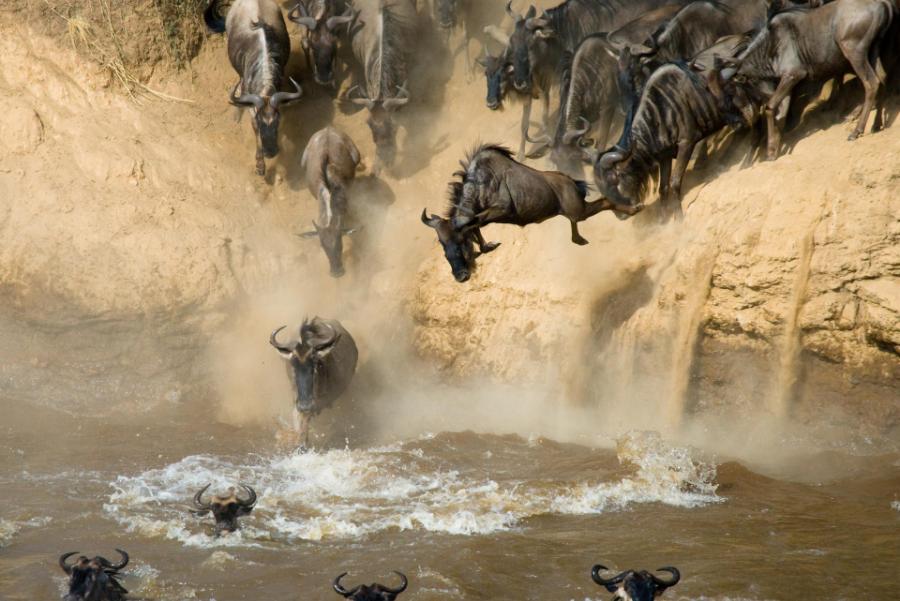
This is the event of the entire migration! Herds gather on the river banks sometimes, waiting for hours, sometimes. Then one brave wildebeest decides to jump in. Everyone else jumps in soon thereafter, creating a splash as they swim to the other side.
Meanwhile, crocodiles are waiting for lunch just under the water’s surface in anticipation. It is jaw-dropping and as real as nature gets – an emotional event at its best.
-
Predator Action.
The migration draws in the Big Cats.
- Lions
- Cheetahs
- Leopards
Predators follow the herds because there is plentiful food available, and tourists/migrators have a better chance of witnessing actual aspects of the migrating herds, specifically in early morning hours.
-
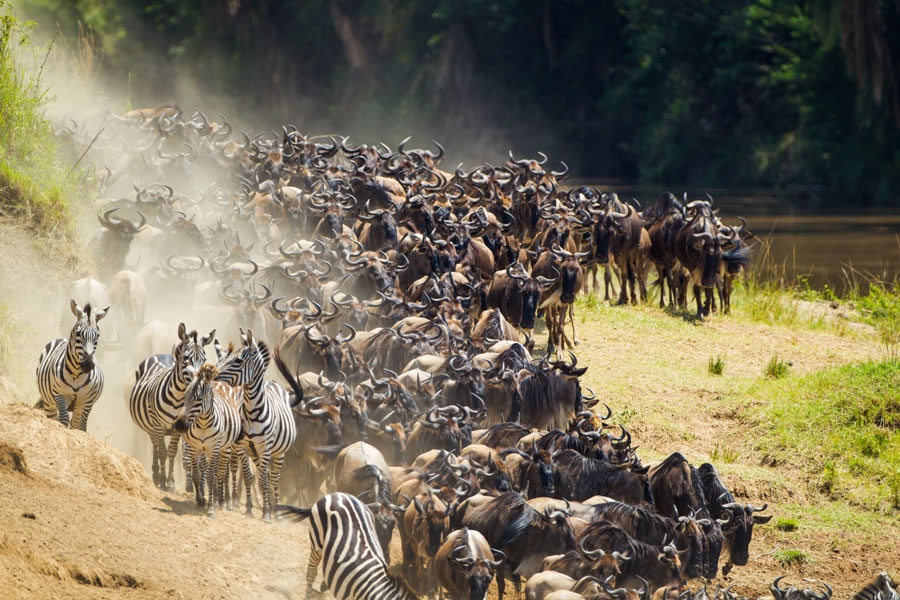
Huge herds
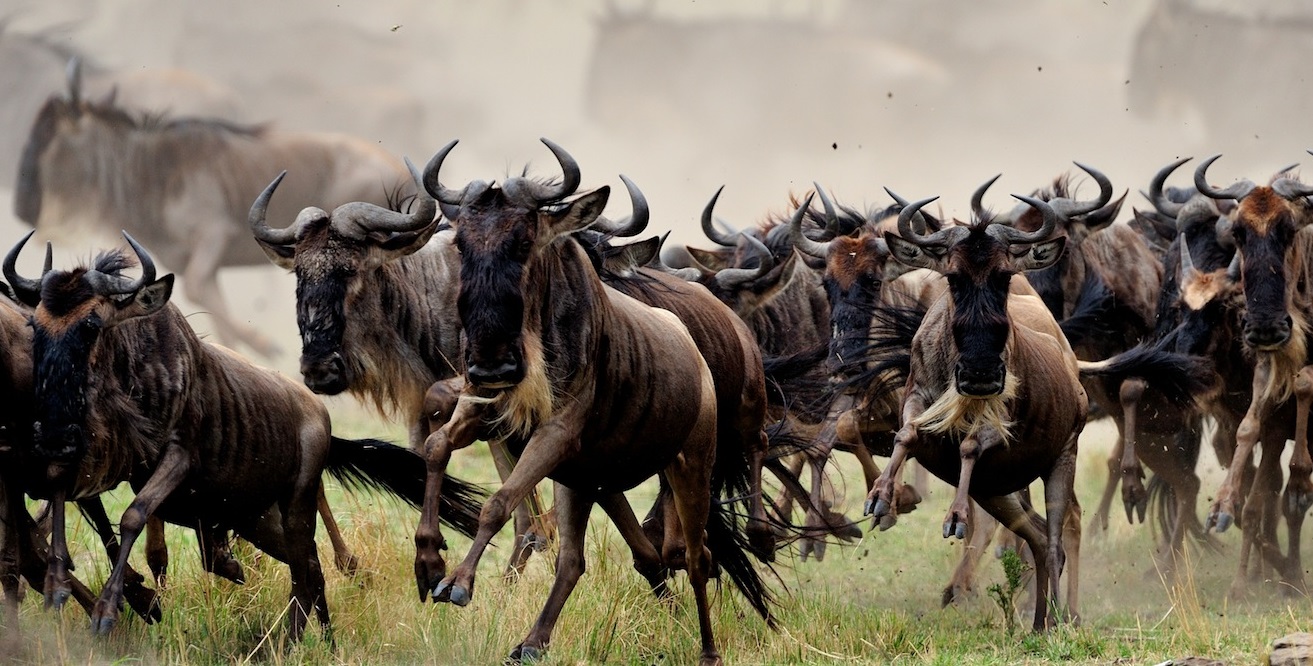
This is something that you don’t get a chance to actually observe very often, massive amounts of animals in mass motion. When tourists look out on the plains and see thousands of wildebeests running in the same direction, the thought of watching a nature documentary fades away.
-
A Dynamic, Ever-Changing Event
Every migration is different, which might see changes in the crossing points, routes, or even surprising predator behaviors. This uncertainty makes it interesting.
When Will You See The Migration in The Maasai Mara?
The migration usually flows like this:
June – July: Arriving at the Mara
The herds will start north from the Serengeti to the Maasai Mara.
July – October: Peak of Migration in The Maasai Mara
It is the best time to see:
- River crossings
- Huge herd sizes
- Predator activity
The Maasai Mara at this time is considered one of the most wildlife-rich places in Africa.
October-November: Return to the Serengeti
The rain patterns begin shifting, and the herds begin to move back to Tanzania.
While these months are considered “normal”, nature does not always act on a timetable. Ultimately, we always encourage you to consult your tour operator when making plans.
Where to see the migration in the Maasai Mara:
Some places allow you to witness wildlife migration, such as:
- Mara River
This is the most well-known location to watch migration. The dramatic river crossings happen here.
- Talek River
Some smaller, but much the same crossings, happen along the Talek River
- Musiara Marsh
This area is a channel for predators, lots of lions!
- Mara Triangle
This area is less crowded and a bit quieter, but it offers good photography with a plain background.
- Olare Motorogi Conservancy
The exclusive sister conservancies have restricted vehicles and a more exclusive feel.
What Actually Happens During the River Crossing?
Crossing rivers is the most exciting part of the whole migration. Here is what happens:
- Herds congregate at the waters’ edge,
- They seem uncertain or anxious,
- One courageous animal does it first,
- Thousands of animals run down the bank and enter the river,
- Crocodiles go for them, but many animals get to the other side,
- The herd rests on the far side, exhausted.
This scene is typically exhilarating, dangerous, and emotional, but it also represents the magnificent balance of nature.
The Big Cats and Other Predators
Migration is a feast for predators. It is a time when the Maasai Mara is in full operation with high-octane wildlife action.
Lions:
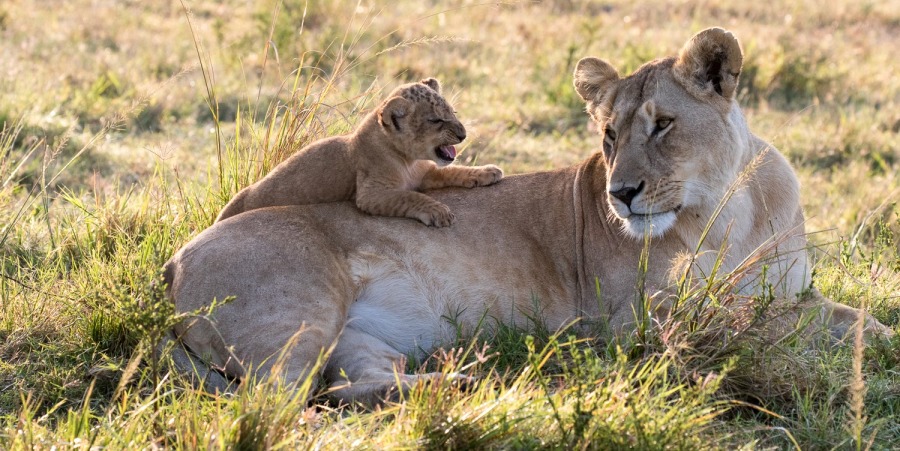
Lion pride territories lie directly on the migration path, and they initiate ambushes of wildebeest usually late at night or early in the morning.
Cheetahs:
Accelerated and focused, cheetahs will target smaller prey or young animals. Cheetahs will prefer to stalk on open plains as they need to sprint to pursue their prey.
Leopards:
Stealthy and clever, they will utilize overhead cover in trees or shrubs, and will select the best moments to take their chance.
Hyenas & Jackals:
These scavengers prey upon leftovers and hunt independently.
What to Expect on a Migration Safari
If you intend to witness the migration, the following activities may be included in your safari-specific program:
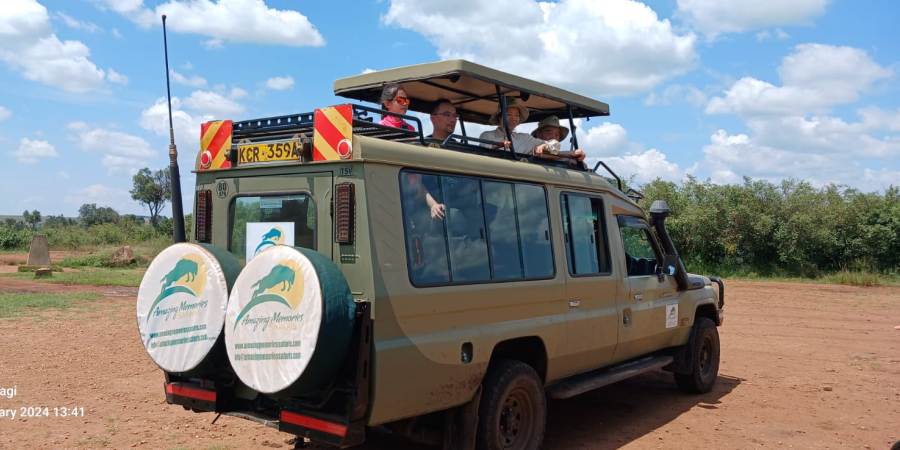
- Early Morning Game Drives
Most activity happens in the early hours of the morning, when predator activity is at its peak.
- Full Day Game Drives
You may be able to spend the whole day at the river waiting to witness crossings.
- Picnic Lunches
Enjoy a picnic lunch in a location that is safe and allows for more time to observe and enjoy the surroundings without feeling rushed to return to camp for lunch.
- Professional Guides
Professional guides know:
- The best vantage points for sightings
- How animal behavior can predict events
- Ideal and safest route
- Predictions for crossings, etc.
A consummate guide may enhance your safari experience, and you will be thankful that you invested in their services.
What Makes the Maasai Mara Perfect for Viewing the Migration?
The Maasai Mara has numerous benefits, including:
- Amazing wildlife
- Open plains to enable visibility
- Many river crossings
- High number of predators
- Great landscapes for photography
- Well-furnished lodges and camps
The reserve hosts a unique ecosystem shared by grazers and predators year-round.
Choices of Accommodation During Migration
The Maasai Mara has hundreds of lodges and camps. You can select based on what fits your budget and comfort levels.
Budget Camps
Perfect for backpackers or safari enthusiasts wanting basic safari experiences.
Mid-range Lodges
Comfortable, spacious, and great for couples or family experiences.
Luxury Camps
Fine dining, private vehicles to observe wildlife, and excellent views!
As the migration season is the high tourist season, it is suggested to book 4-8 months in advance.
Sample Safari Packages That Include Migration:
- 5 Days Masai Wildebeest Migration – Luxury Private Safari
- 3 Days Masai Mara Wildebeest Migration Safari
Travel Tips for Seeing the Migration
- Make Reservations Ahead of Time
Migration season attracts a lot of tourists, and camps fill up very quickly.
- Make it for July through October
July through October is the best time for you to see crossings.
- Stay Close to the River
Being close to the river increases your chances of viewing the crossings.
- Be Prepared for a Wait
You need to be patient when waiting for crossings; it may take several hours.
- Bring Gear
Helpful equipment includes:
- Binoculars
- Camera with a zoom lens
- Sunscreen
- Hat
- Water bottle
- Trust Your Guide
Individuals are familiar with the terrain and animal behavior.
Is the Great Migration Safe to Watch?
Yes, safari guides uphold their concerns for laws, and the vehicles remain at a respectful distance from the wildlife. In fact, you can’t leave the vehicle during game drives unless instructed by your guide that it is safe to do so.
Why Migration Matters for Conservation
This also highlights the importance of preserving wildlife routes, river ecosystems, grasslands, and predator populations. Conservancies and communities continue to work for intelligent decisions about how to develop wildlife tourism while ensuring it stays intact for future generations.
Final Thoughts: Why Migration is Worth Visiting
The Great Wildebeest Migration is more than just another safari experience. It is a powerful, emotional adventure that changes your perspective on nature. The unpredictable river crossing, the roaring predators, the magnificent herds, and the camaraderie of beautiful vistas combine to create the Maasai Mara experience that is arguably the best safari there is.
If you want to see one of nature’s great spectacles, then seeing the great migration in Kenya definitely should be at the top of your travel bucket list.